Jacob van der Ulft
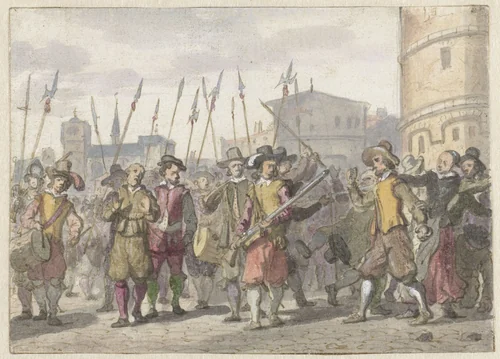
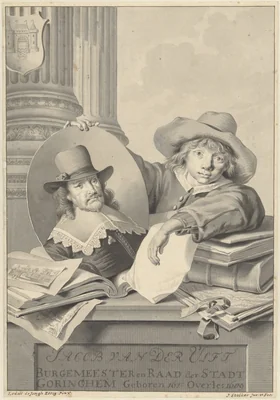
Jacob van der Ulft (1621-1671) holds a distinctive place among the Dutch masters of the Golden Age, known not only for his impressive range across artistic disciplines but for his simultaneous commitment to civic governance. Operating successfully as a painter, glass painter, print artist, and architect, Van der Ulft also devoted significant time to political life, serving notably as a mayor. This fusion of meticulous artistic practice and practical administration seems fitting, given his preferred subject matter: the exact observation and imaginative reconstruction of built environments. His output includes specialized Jacob van der Ulft paintings, though he is perhaps better recognized today for his numerous detailed topographical studies and evocative prints.
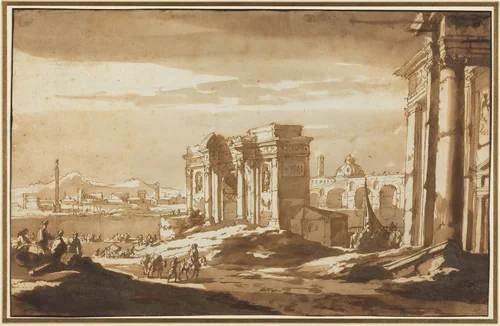
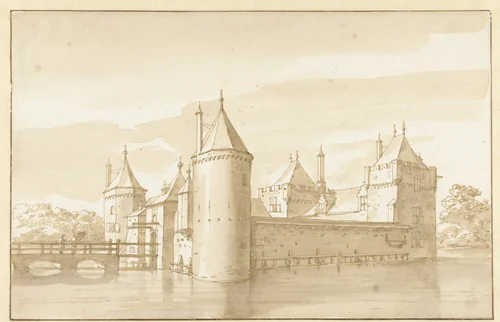
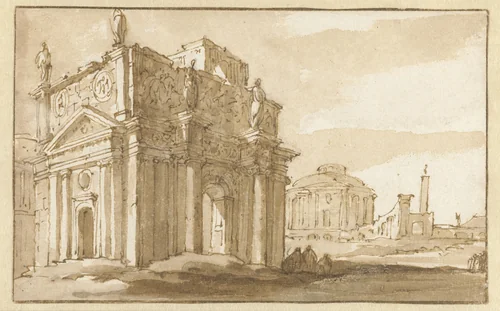
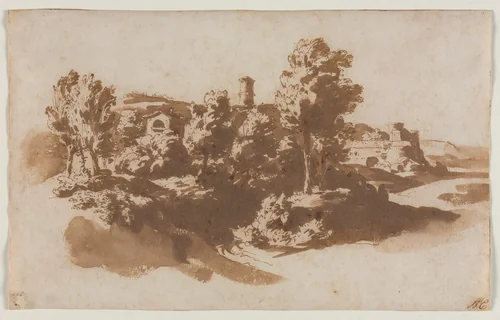
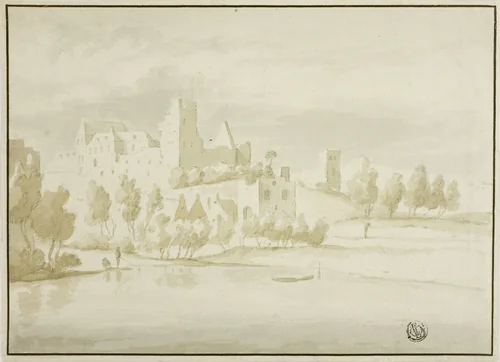
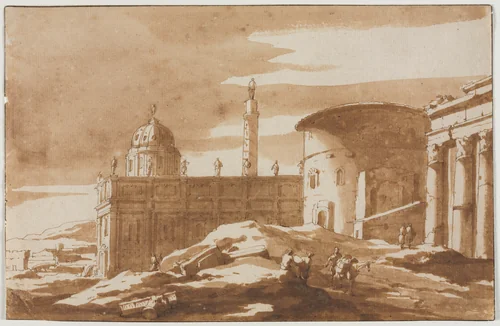
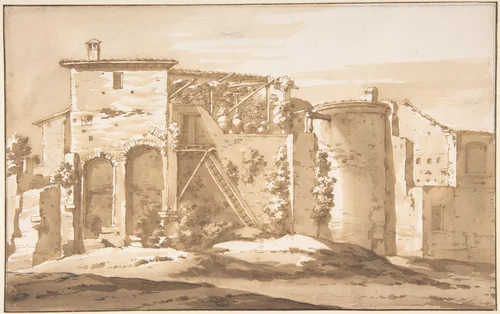
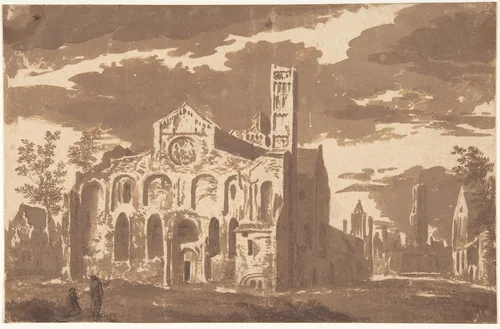
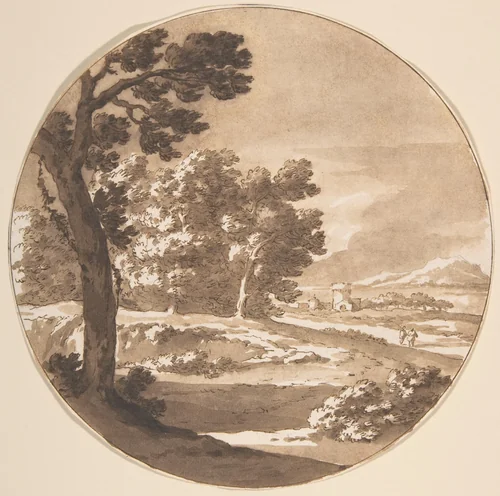
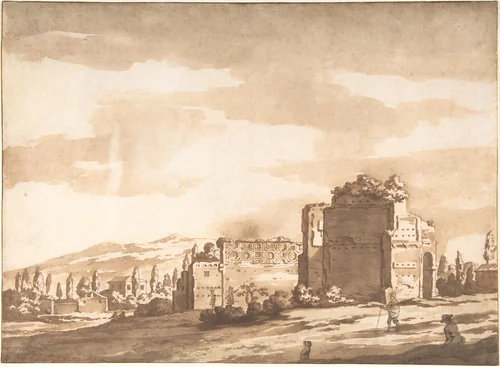
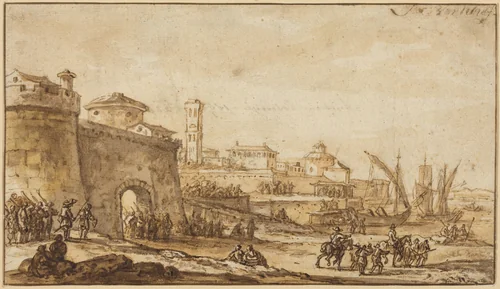
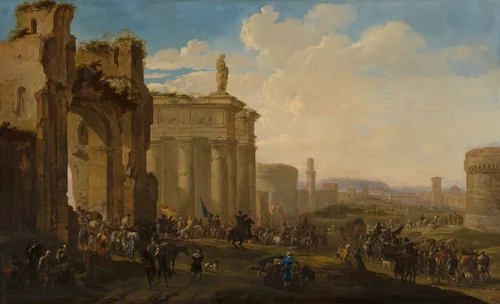
Van der Ulft specialized particularly in architectural and city views, displaying a keen eye for historical structures and exotic urban settings. While he produced detailed local depictions, such as Gezicht op het Huis te Schagen, he gained significant renown for his capricci views of Rome. These imagined compositions, combining recognizable Roman ruins with constructed settings, allowed him to display both his technical draughtsmanship and his architectural understanding. A superb example of this fusion is A Capriccio View of Roman Ruins along the Tiber. These works, often executed in highly detailed pen-and-ink drawings, provide a window into the prevailing 17th-century fascination with classical antiquity. His technical precision is also evident in drawings like Landscape with Fortification Between Marino and Frascati, which demonstrate characteristic crisp line work and atmospheric accuracy.
Van der Ulft's contribution to Dutch draughtsmanship is secured by the quality and precision of his surviving works. Today, his pieces are held in major international institutions, confirming their historical significance and museum-quality status. Key collections housing his works include the Rijksmuseum, the National Gallery of Art, and the Art Institute of Chicago. The detailed nature of his drawings, combined with the fact that many of these compositions are now entering the public domain, makes them ideal subjects for high-quality prints and study. His dual role as an artist documenting reality and an architect responsible for shaping it offers a subtly intriguing observation about the Dutch Golden Age: the men who built the world were often the very same men who beautifully rendered it.
Source: Wikipedia · CC BY-SA 4.0