Jacob Toorenvliet
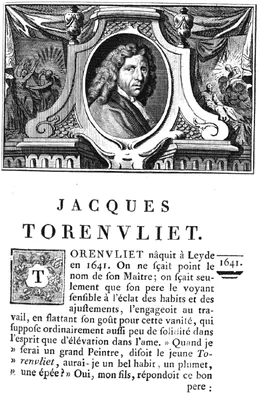
Jacob Toorenvliet (1640–1719) occupies an important, transitional space within the history of the Dutch Golden Age. Functioning primarily as a genre painter, his career stretched across a period of immense stylistic innovation, ultimately linking the detailed realism of mid-seventeenth-century Leiden with the emerging sensibilities of the early eighteenth century. His enduring significance is measured by the consistent quality of his output, with examples of both Jacob Toorenvliet paintings and graphic works held in prestigious collections such as the Rijksmuseum and the Art Institute of Chicago.
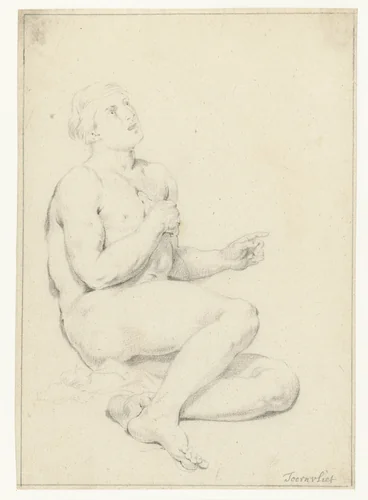
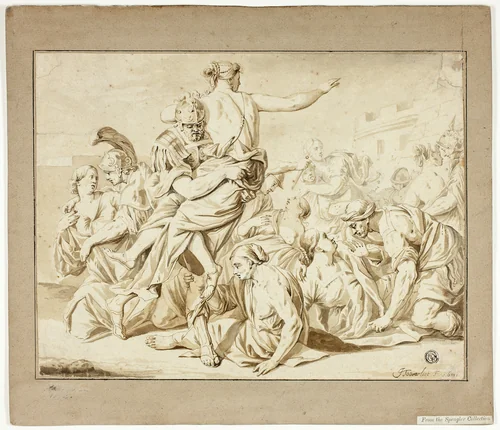
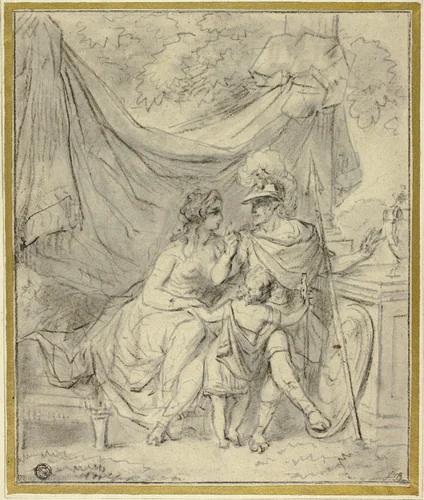
Toorenvliet’s artistic output reveals a meticulous dedication to the human form and the subtle theater of daily life. Although the surviving material record includes only a few drawings, these studies emphasize his firm command of classical draftsmanship, evidenced particularly in pieces like the skillfully rendered Studie van een zittend mannelijk naakt. These preparatory works suggest a robust academic background that informed his narrative genre scenes, positioning him favorably among the fijnschilders who prioritized fine finish and optical precision.
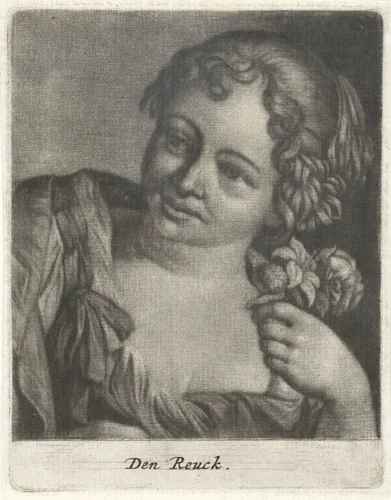
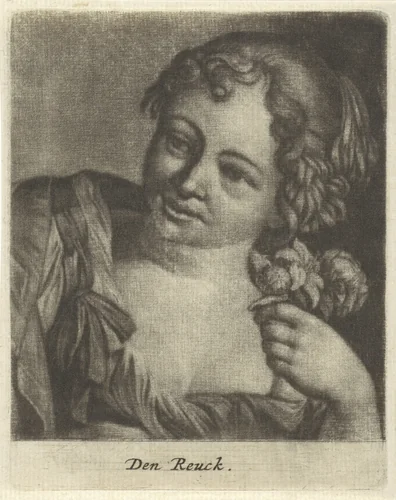
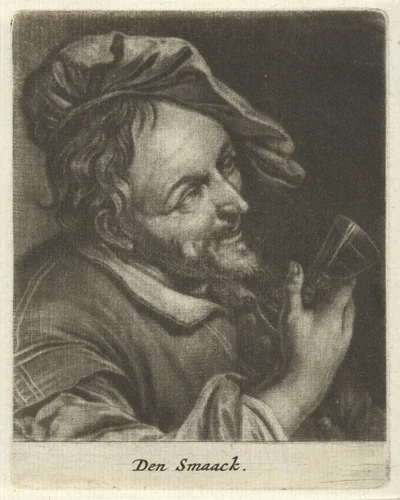
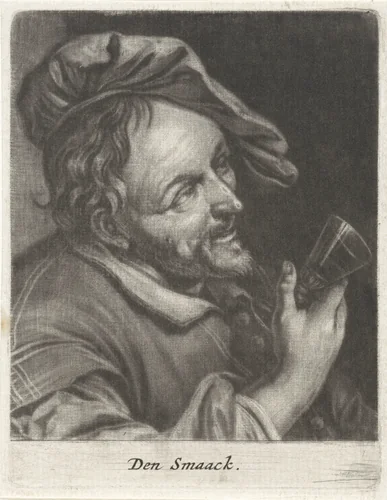
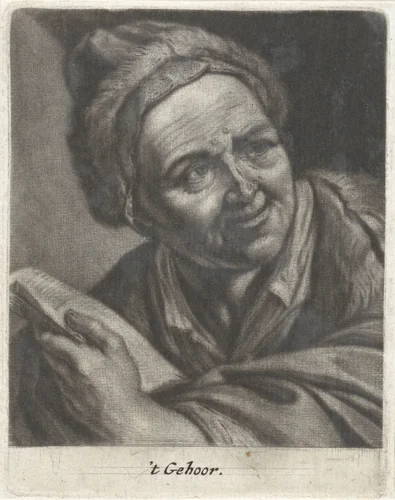
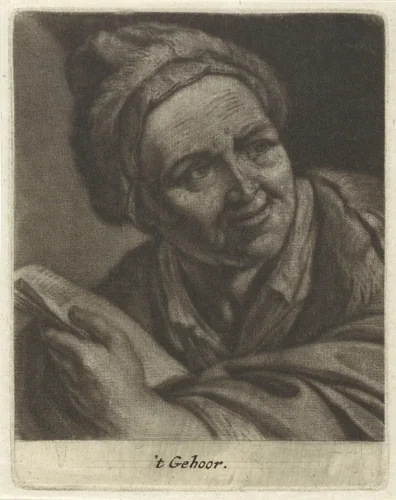
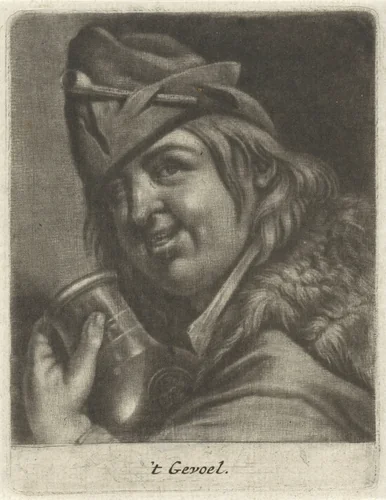
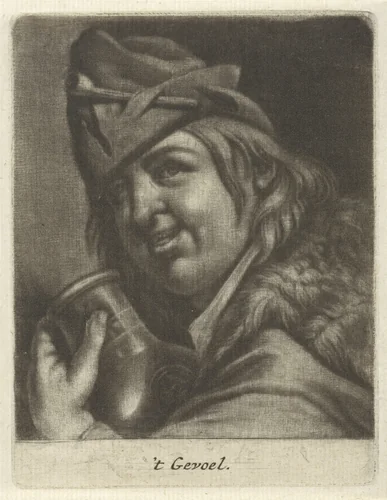
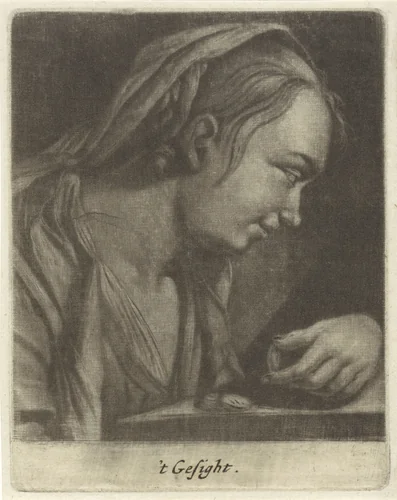
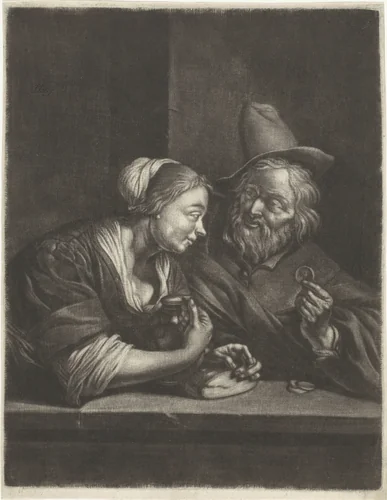
The artist’s explorations of allegorical genre, such as his celebrated print series illustrating the five senses, demonstrate his innovative application of detail to thematic subjects. Iterations like De reuk and De smaak depict figures absorbed in highly focused moments, subtly transforming everyday actions into nuanced character studies. These works were keenly suited for the vibrant seventeenth-century print market. It is perhaps an understated observation that Toorenvliet achieved much of his renown not through grand history painting, but through the repeatable intimacy afforded by printmaking, allowing his compositional flair to reach a wider audience.
His proficiency across media contributed to the stability of his long career, which extended well into the eighteenth century. The accessibility of his artistry remains a contemporary advantage; many of his preparatory drawings and graphic works, which provide invaluable insight into his working methods, now exist within the public domain. This means that scholars and enthusiasts today have access to downloadable artwork, often in the form of high-quality prints, ensuring that the legacy of Jacob Toorenvliet remains both critically studied and broadly appreciated.
Source: Wikipedia · CC BY-SA 4.0