Jacob Philipp Hackert
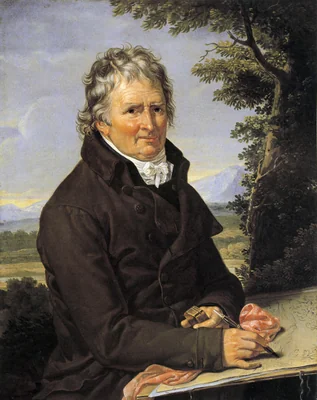
Jacob Philipp Hackert (1737-1807) stands as a foundational figure in the late eighteenth-century shift toward accurate, topographical landscape painting. Though born in Brandenburg, his career was predominantly defined by his activities in Italy, where he achieved remarkable international fame and commanded prestigious patronage. He was instrumental in moving the landscape genre away from the highly idealized, often imaginary views favored by the Baroque, toward a precise, observational methodology.
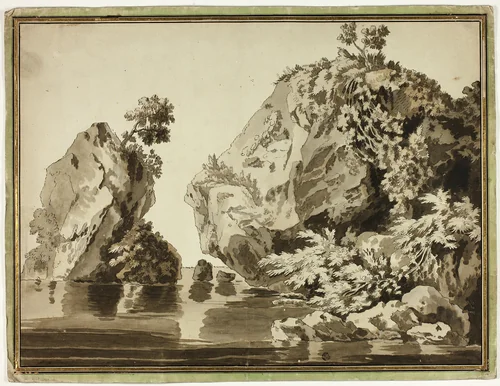
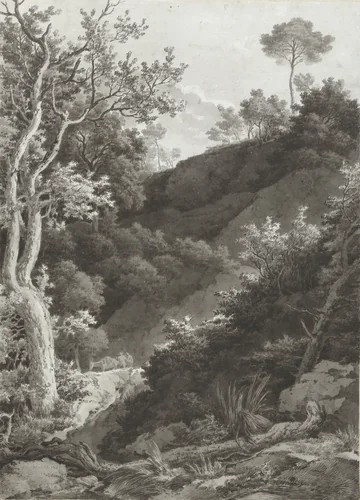
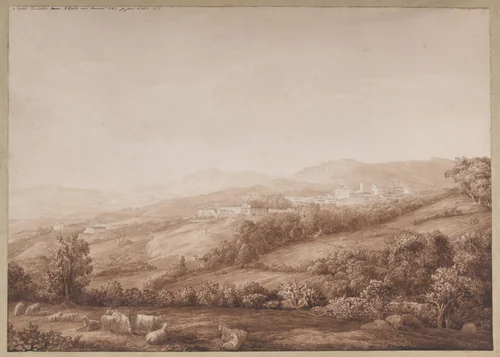
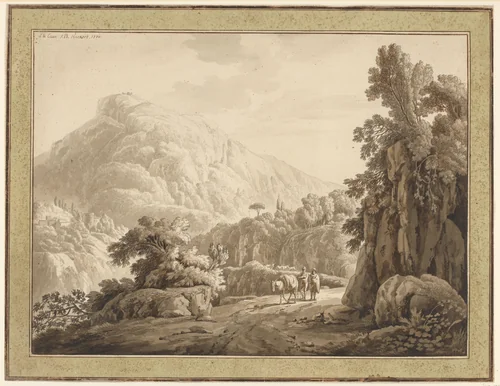
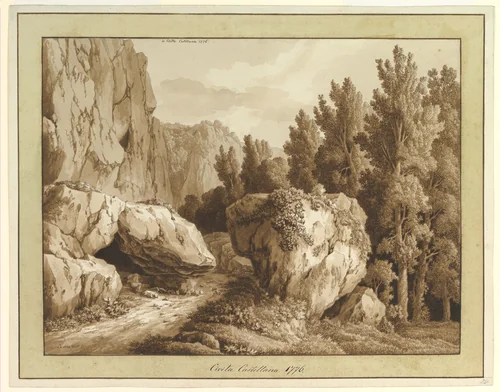
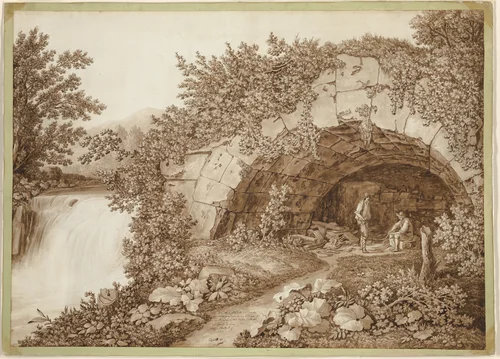
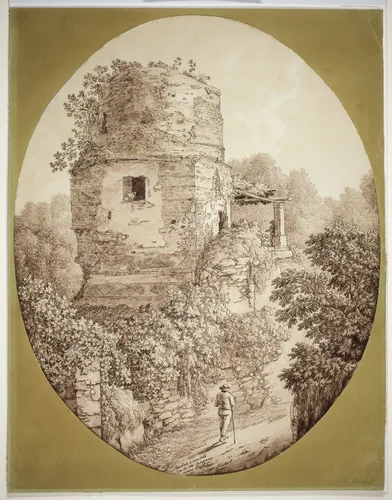
Hackert’s technical rigor, evident in both his major canvases and his numerous preparatory studies, allowed him to capture atmospheric conditions and geological specificity with unprecedented detail. This meticulous approach appealed directly to the intellectual curiosity of Grand Tour travelers and Enlightenment thinkers. His dedication to capturing specific locations resulted in compositions such as the View of Marino in the Alban Hills and the complex natural study Rocks and Water, which prioritized documentary clarity over classical artifice.
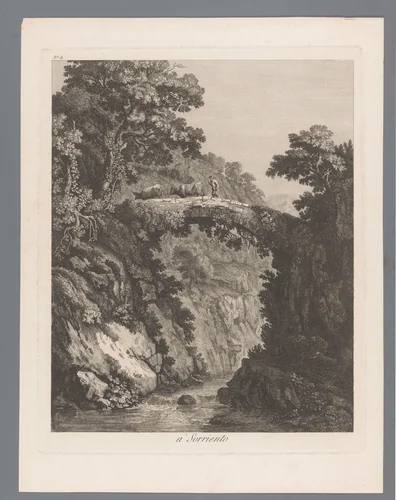
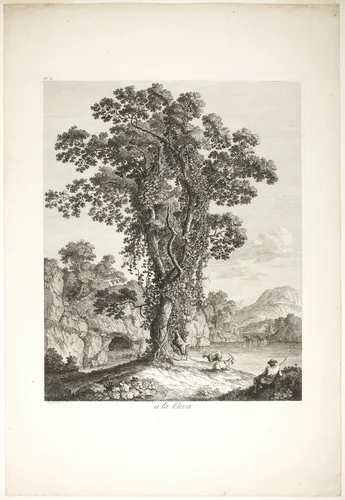
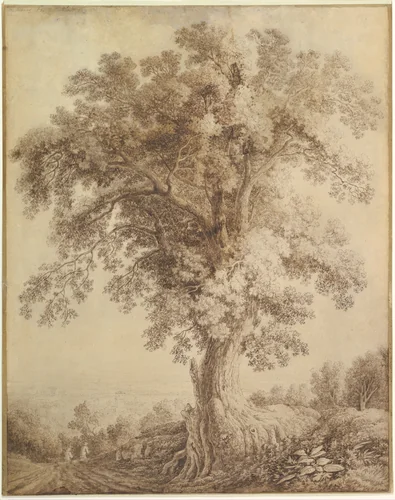
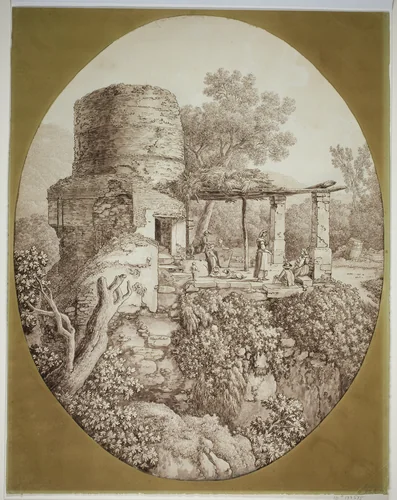
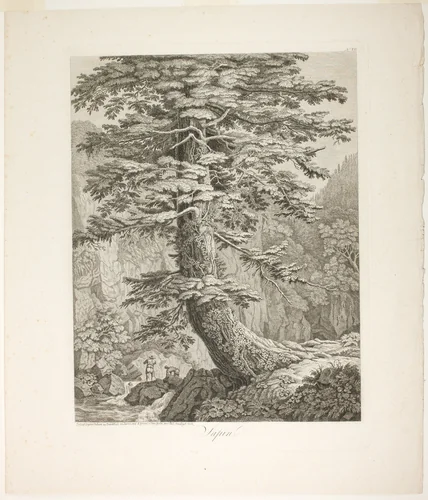
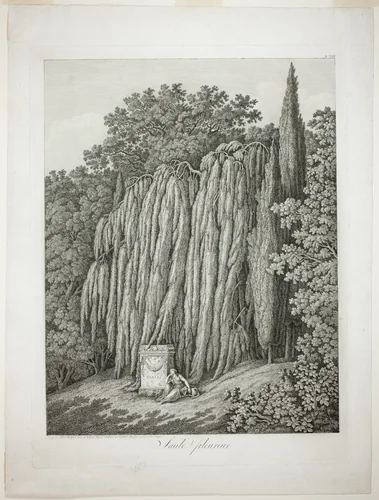
His output encompassed a prolific body of graphic works. The extant collection of nine drawings and six prints speaks to his mastery of etching and pen-and-ink studies. This rigorous preparatory work ensured the high fidelity of his finalized Jacob Philipp Hackert paintings and contributed significantly to his widespread commercial success across Europe.
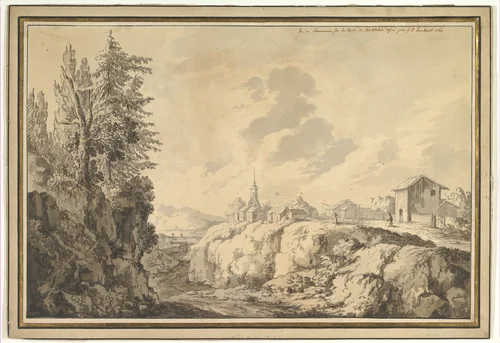
A fascinating element of Hackert’s biography is the sheer geographic breadth of his travels, allowing him to apply his Roman landscape methods to disparate European climates. While primarily known for documenting the Italian campagna, his work extended surprisingly far north, evidenced by detailed views like the View of Svenarum in the Province of Småland, Sweden. It is perhaps his greatest professional achievement that he could translate the rugged scenery of Småland into the same formal, exacting visual language he employed for the sun-drenched views near Naples.
Hackert’s works are held in major international collections, including the Art Institute of Chicago and the Rijksmuseum. Given the period of their creation, many of his influential Jacob Philipp Hackert prints are now considered public domain, allowing for the widespread dissemination of high-quality prints that continue to define the standard for eighteenth-century landscape representation.
Source: Wikipedia · CC BY-SA 4.0