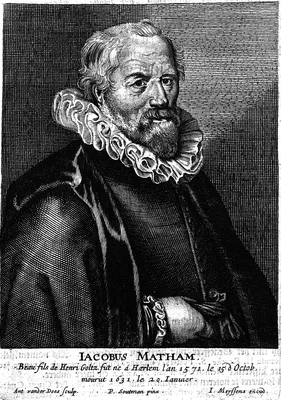
Jacob Matham
Jacob Matham, active across the middle decades of the sixteenth century, secured his place in art history as a key figure in the vibrant Haarlem printmaking tradition. Recognized primarily as a sophisticated engraver and pen-draftsman, Matham’s output reveals the intense cross-cultural dialogue typical of Northern Renaissance artists who looked south for inspiration while developing distinctive local styles. While the specific details of his apprenticeship are largely unrecorded, his technical mastery suggests a rigorous training focused intensely on controlled line work and nuanced tonal variation, essential skills for producing museum-quality prints destined for a burgeoning international market.
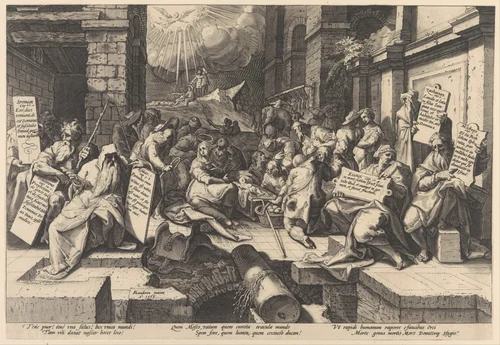
Matham excelled in the difficult task of translating complex compositions by other masters into the exacting medium of line engraving, thereby serving to disseminate monumental Italian Renaissance ideas across Northern Europe. A prime example is his interpretation of the seated Moses, meticulously derived from Michelangelo’s celebrated sculpture for the tomb of Pope Julius II. This work, often circulated within the influential collection Speculum Romanae Magnificentiae, demonstrates Matham’s exceptional capacity to render volumetric, sculptural form using only the controlled density of the burin.
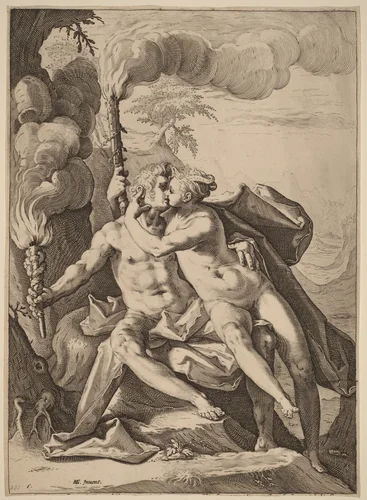
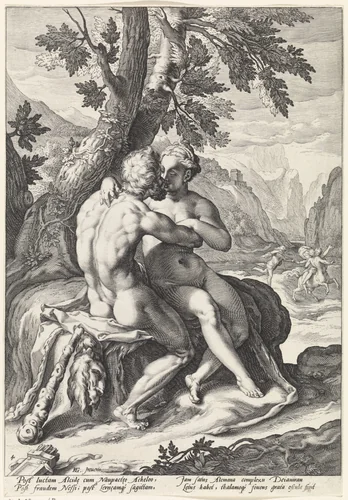
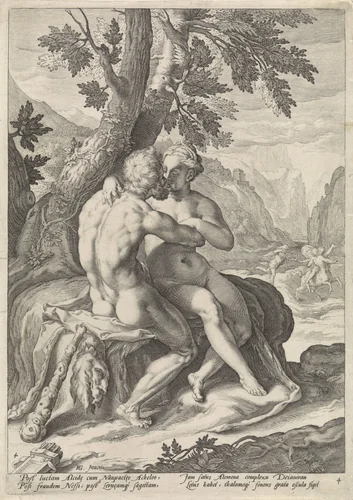
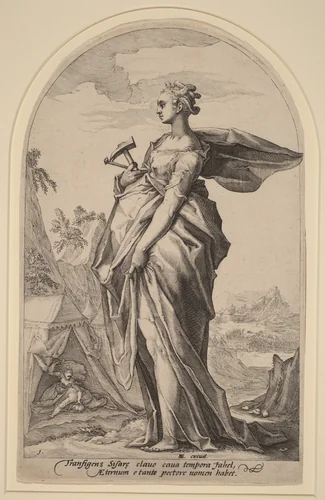
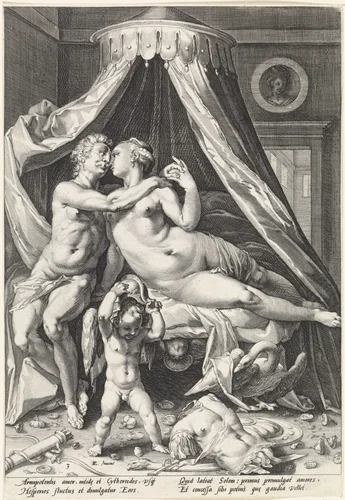
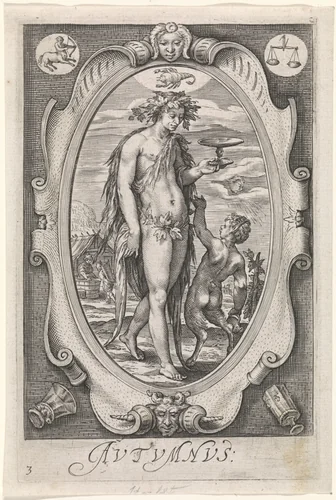
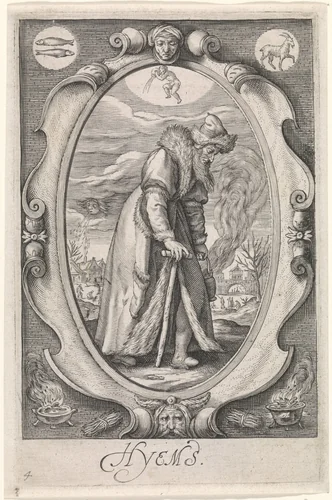
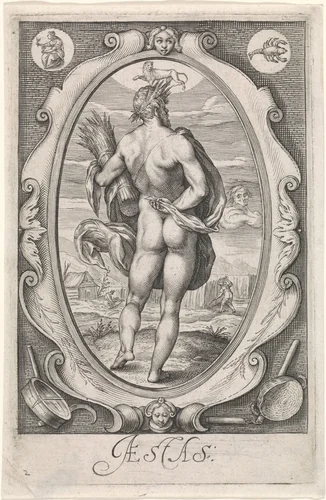
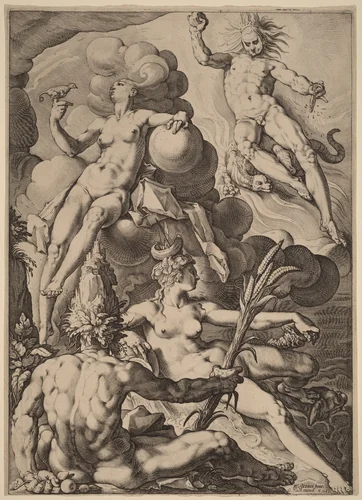
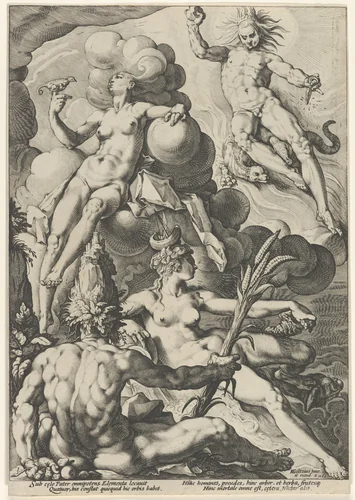
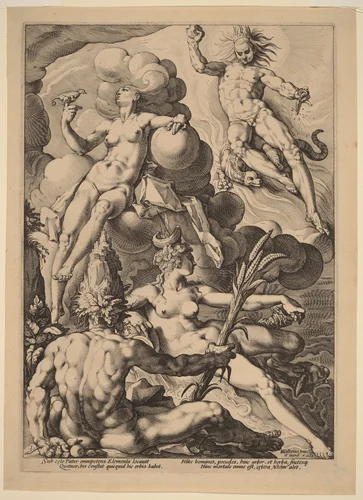
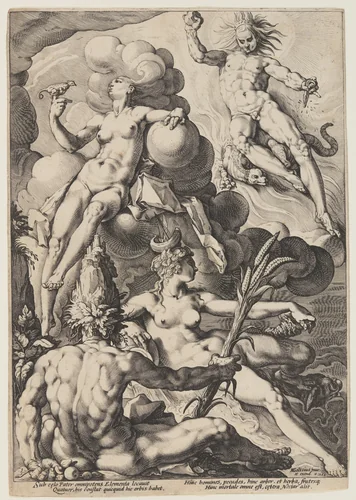
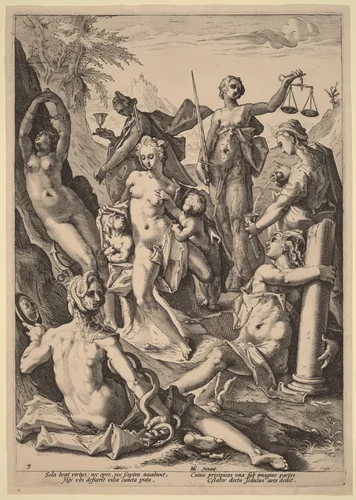
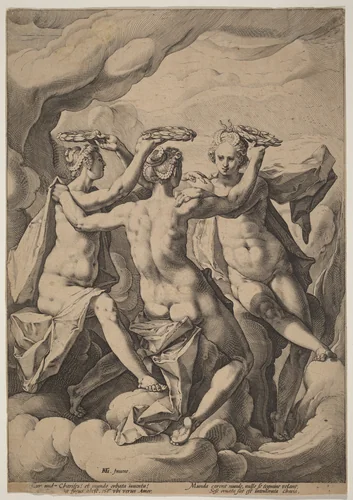
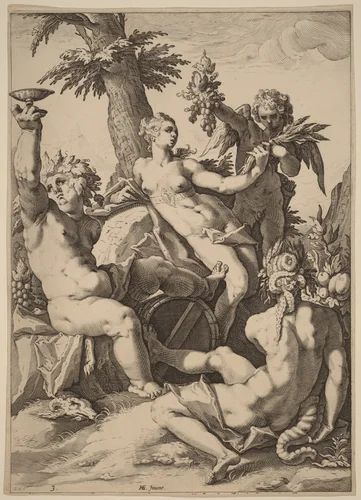
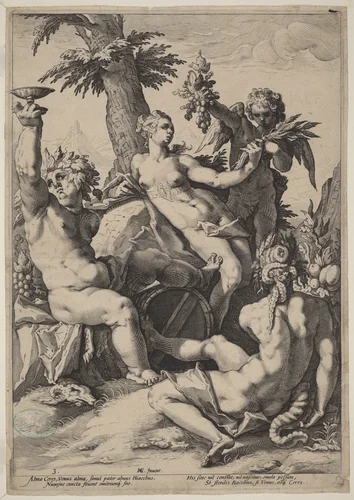
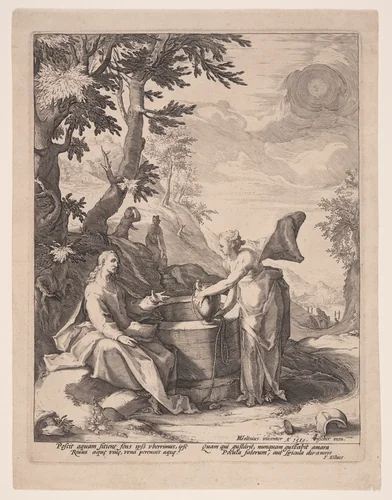
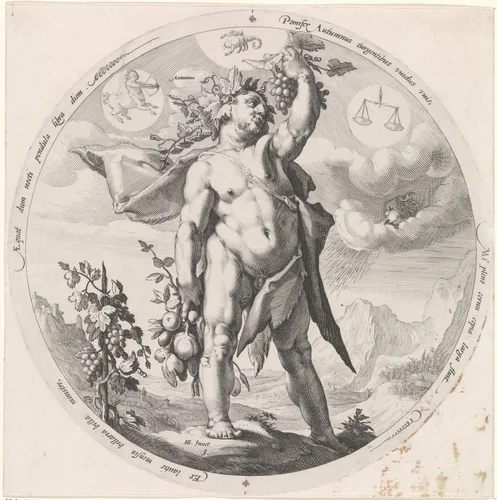
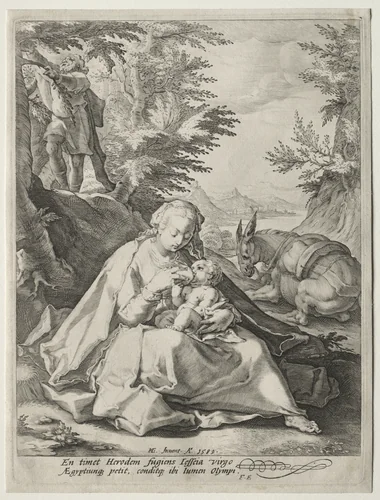
Beyond reproductive work, Matham explored rich narrative and overtly allegorical themes. His portfolio includes profound moralizing pieces such as Allegory of Age and the emotionally charged Envy, alongside delicate religious subjects like The Nativity. It is telling that Matham frequently focused on human struggle or divine drama rather than simple portraiture, suggesting a preference for grand narrative over fleeting vanity. His skill in managing dramatic compositions within the typically small format of the print solidified his reputation.
The endurance of Matham’s technique and subject matter is evidenced by the inclusion of his surviving prints and drawings in major international repositories, including the Metropolitan Museum of Art, the National Gallery of Art, and the Art Institute of Chicago. As a master engraver, Matham provided crucial access to seminal European imagery for an audience that might never travel to Rome or Florence. Today, his legacy continues in the digital age, where Jacob Matham prints are often accessible to the public domain as royalty-free downloadable artwork, ensuring that the precision of his line work remains available for study and appreciation centuries after its creation. His dedication to meticulous detail elevated the status of the graphic arts during a period when reproducible imagery profoundly reshaped visual culture.
Source: Wikipedia · CC BY-SA 4.0