Jacob Jordaens
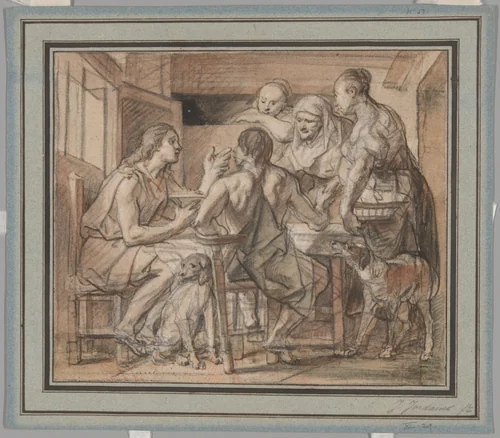
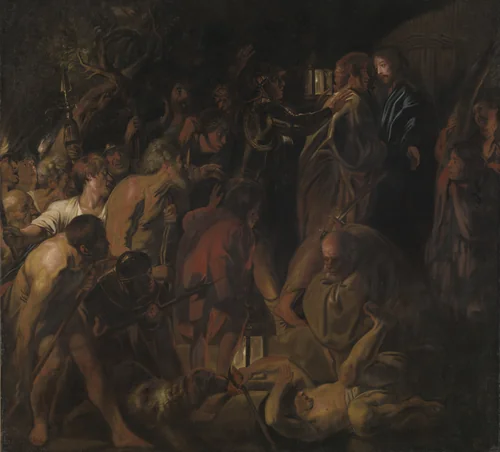
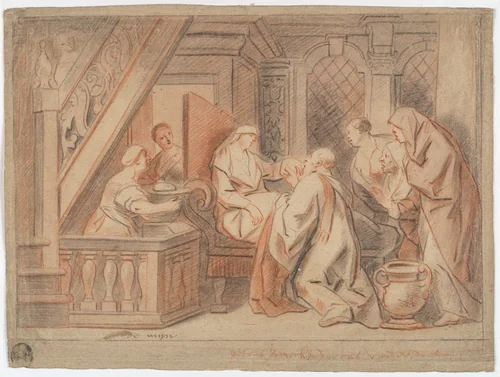
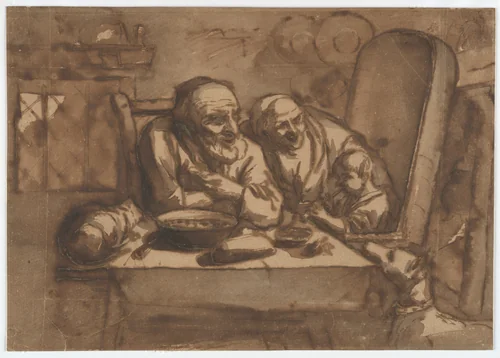
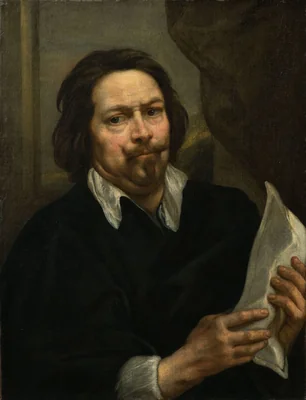
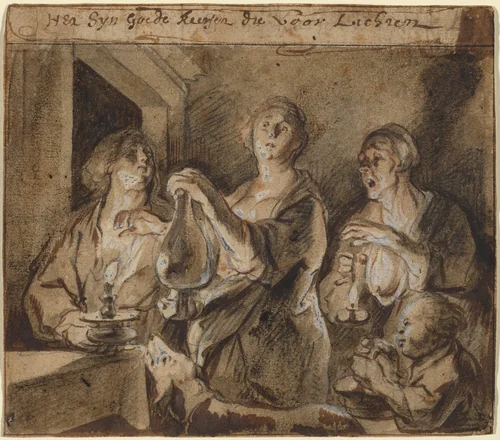
Jacob Jordaens (1593-1678) stands as one of the most prolific and distinctive masters of the Flemish Baroque. Active as a painter, draughtsman, and designer of tapestries and prints, his expansive oeuvre encompassed a broad range of subjects, including biblical narratives, mythological scenes, and robust genre compositions like A Youth and Two Girls Singing.
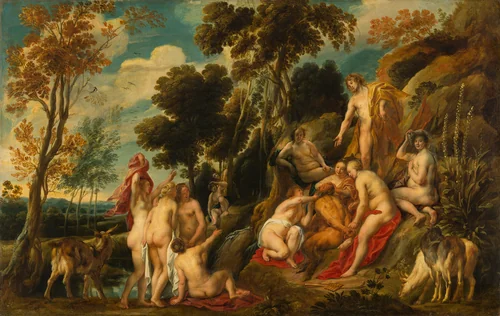
Jordaens occupied a singular position within the artistic landscape of 17th-century Flanders. Following the premature deaths of Peter Paul Rubens and Anthony van Dyck, he ascended to become the undisputed leading Baroque painter of his generation. His sustained prominence is reflected in the continuing demand for Jacob Jordaens paintings, many of which now reside in major international institutions, including the Mauritshuis and the National Gallery of Art.
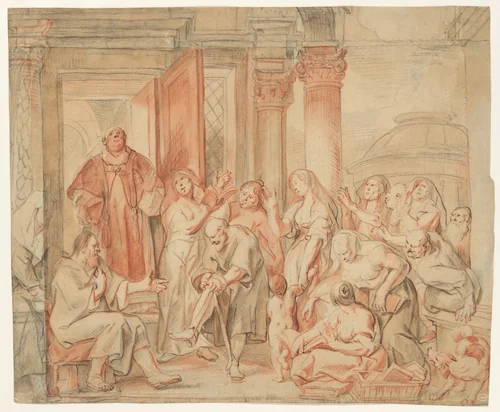
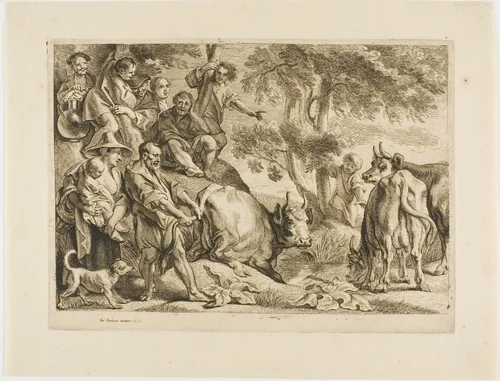
Crucially, Jordaens never undertook the Grand Tour that defined the careers of his more cosmopolitan contemporaries. He remained rooted in Antwerp for his entire life, save for brief excursions within the Low Countries, and displayed an indifference to the intellectual and courtly aspirations that characterized Rubens’s output. This resolute focus on local reality is what lends his art its peculiar, immediate strength. Where others sought the idealized grandeur of the Antique, Jordaens presented figures grounded in robust, almost visceral reality, often seen in dynamic sacred compositions such as his Adoration of the Shepherds or the dramatic action in Saint Paul at Lystra.
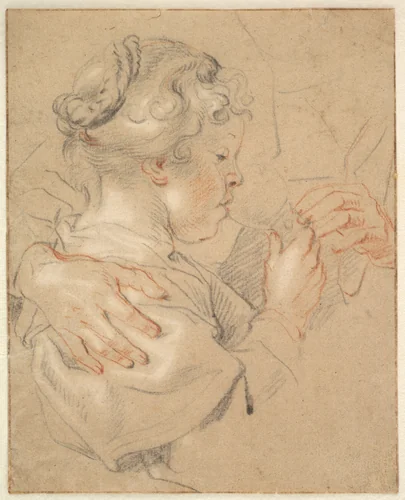
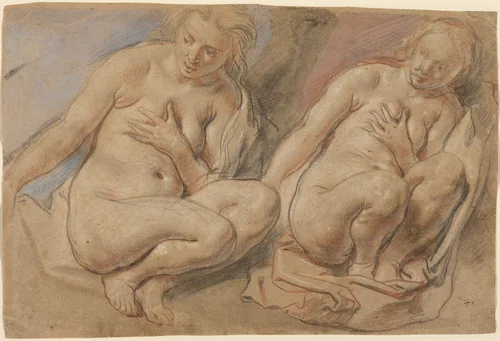
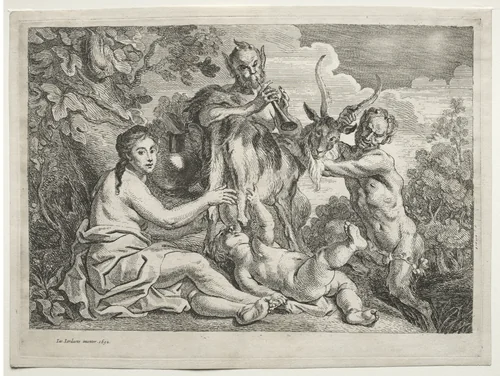
His mastery extended beyond oil paint; his detailed preparatory works, such as Head of an Apostle and the multi-subject Sheet of Studies with the Drunken Pan and Nymphs [verso], confirm his ability as a formidable draughtsman. Today, many of these museum-quality works, reflecting his extensive output across biblical, allegorical, and genre illustration, are now available to researchers and enthusiasts through the public domain, offering accessible Jacob Jordaens prints for serious study.
Source: Wikipedia · CC BY-SA 4.0
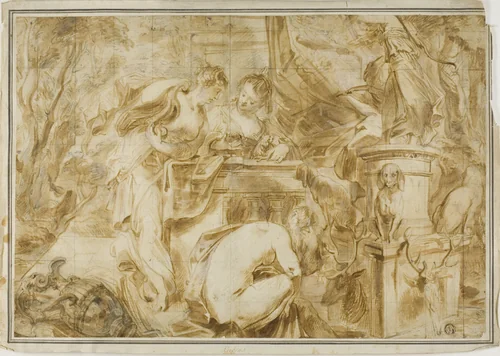
![Design for a Wall Decoration [recto] by Jacob Jordaens, drawing, 1640-1645](https://img.artbee.org/58b249cf-7657-4bb3-a200-3b1ff06e8f50/small.webp)