Jacob Isaacksz van Ruisdael
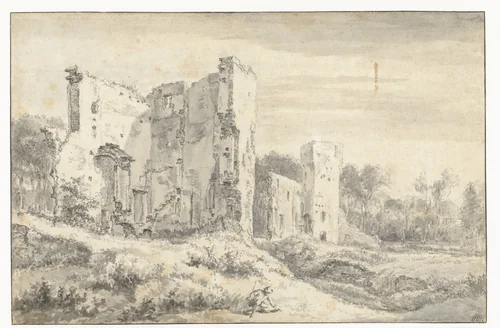
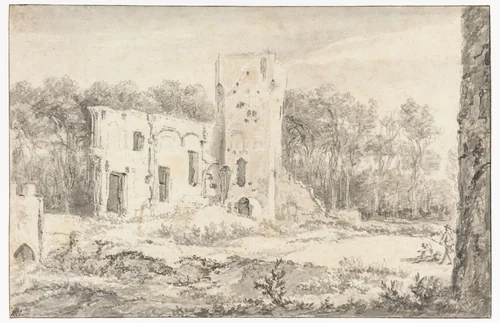
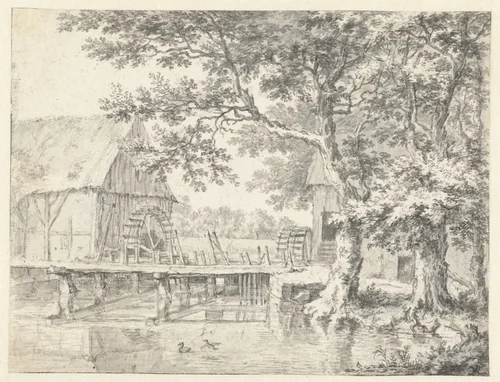
Jacob Isaacksz van Ruisdael (1628/29-1682) is recognized unequivocally as the pre-eminent landscape painter of the Dutch Golden Age. Active professionally primarily between 1650 and 1668, Ruisdael’s output encompassed painting, detailed drawing, and etching. His significance rests not just on his prolific output, but on his transformation of landscape from mere topographical record into a genre capable of profound, emotive drama.
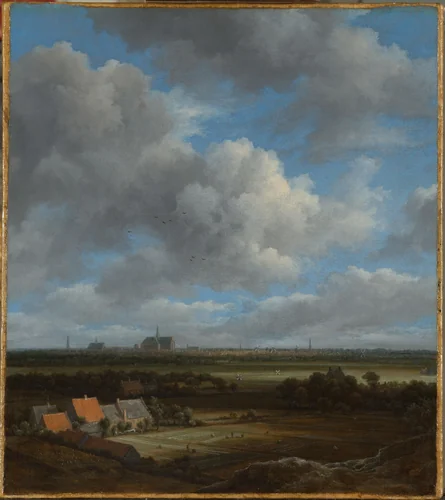
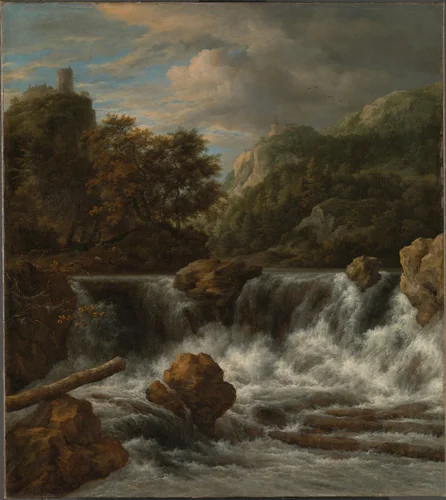
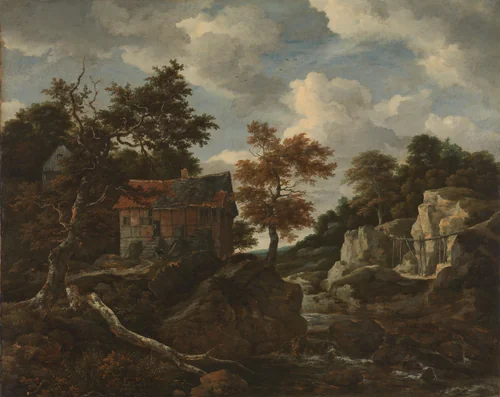
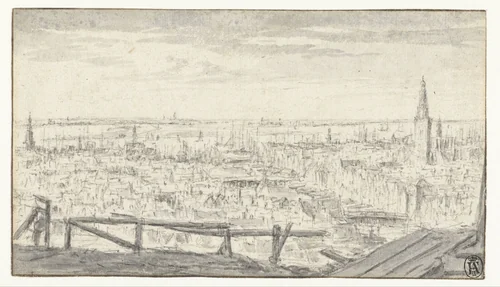
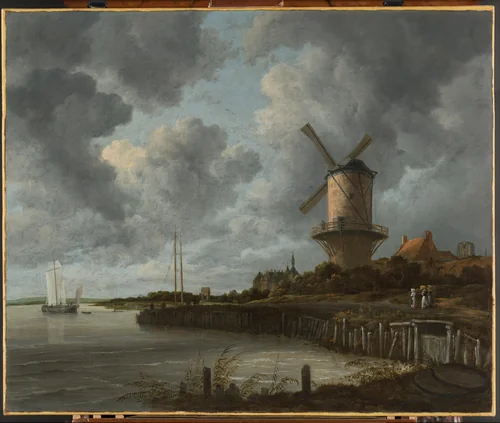
Ruisdael dramatically expanded the visual vocabulary of 17th-century Dutch art. Unlike many contemporaries who favored low-horizon, placid scenes, Ruisdael embraced the monumental and the powerful. He introduced stark, compelling subjects such as turbulent seascapes, rugged dunes, and dramatic waterfalls, exemplified by his canvas Mountainous Landscape with Waterfall. Even when depicting local scenery, such as in Gezicht op Haarlem uit het noordwesten, met de blekerijen op de voorgrond, his compositions possess an atmospheric weight and structural complexity that transcends simple representation. His works demonstrate a sophisticated understanding of light and shadow, using subtle tonal shifts to convey the texture of wind-swept trees and the specific weight of the cloud-filled Northern European sky.
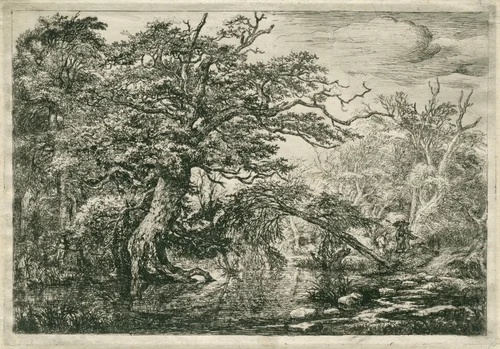
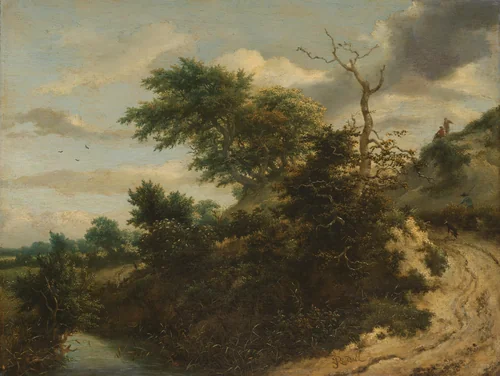
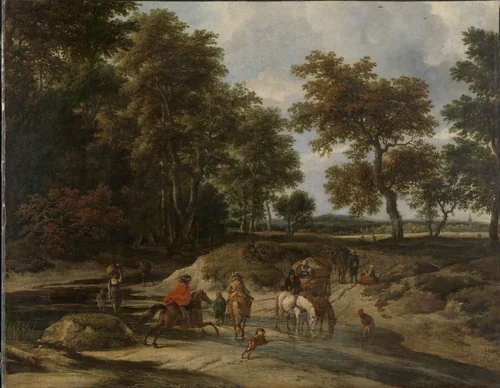
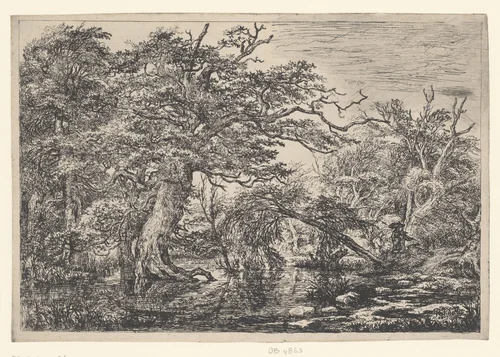
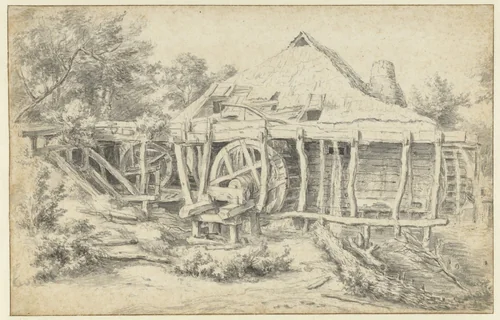
While his verifiable documented output includes six major paintings, six drawings, and two distinctive prints from his active years, Ruisdael’s technical innovations set the standard for generations of artists who followed him. Works like The ford and Sandy Track in the Dunes illustrate his acute sensitivity to the unique character of the Dutch terrain. Perhaps Ruisdael’s most enduring subtle innovation was injecting a sense of emotional gravitas into scenes often deemed merely picturesque, elevating the familiar into the sublime.
Today, the core collection of Jacob Isaacksz van Ruisdael paintings is safeguarded in global institutions, notably the Rijksmuseum. His enduring importance means that high-quality prints and downloadable artwork derived from the public domain are widely available, allowing researchers and collectors access to his masterful command of composition and atmosphere. The consistent strength of Ruisdael’s vision ensures his position as the benchmark against which 17th-century landscape achievement is measured.
Source: Wikipedia · CC BY-SA 4.0