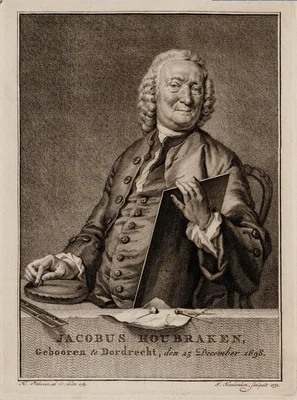
Jacob Houbraken
Jacobus Houbraken (1698–1780) holds a definitive position in eighteenth-century Dutch graphic arts, operating at the intersection of portraiture, history, and nascent art historiography. An accomplished engraver, his significance stems less from revolutionary style and more from his instrumental role in creating the enduring record of the Dutch Golden Age.
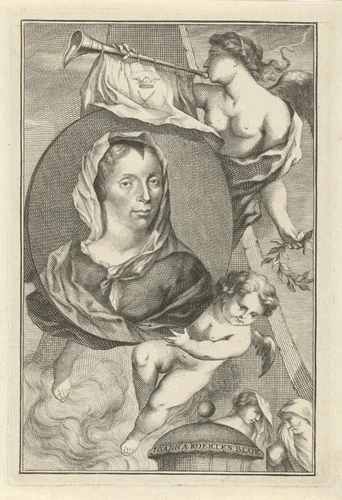
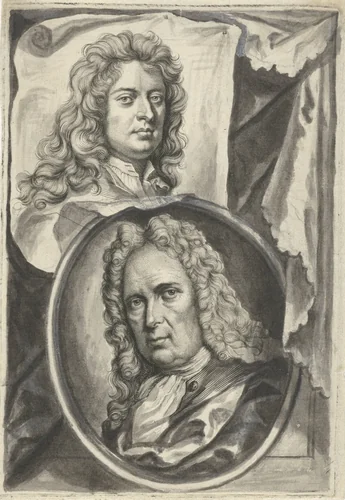
As the son and crucial collaborator of the artist and biographer Arnold Houbraken, Jacobus dedicated his early career to the monumental task of illustrating and realizing De groote schouburgh der Nederlantsche kunstschilders en schilderessen (The Great Theatre of Dutch Painters and Paintresses, published 1718-1721). This three-volume work, which provided the foundational narratives and canon of seventeenth-century Dutch masters, required rigorous, high-quality prints to accompany the textual histories. Jacobus’s technical precision in rendering portraits was essential to the project’s success, transforming the biographical anecdotes into a comprehensive visual and written account.
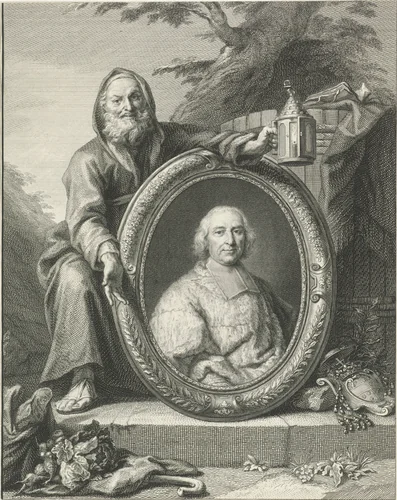
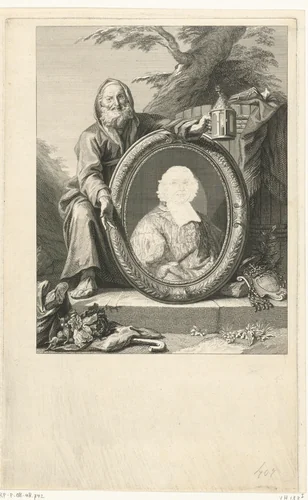
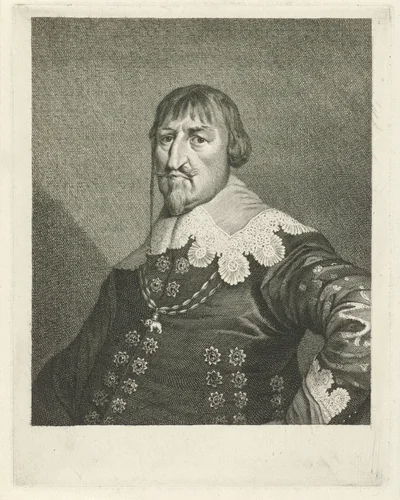
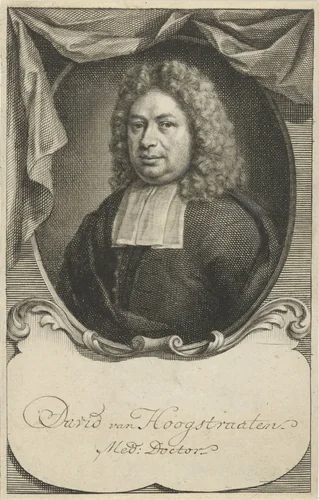
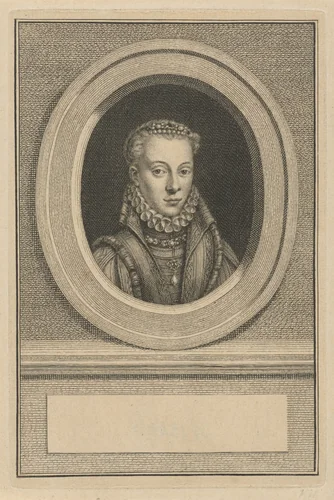
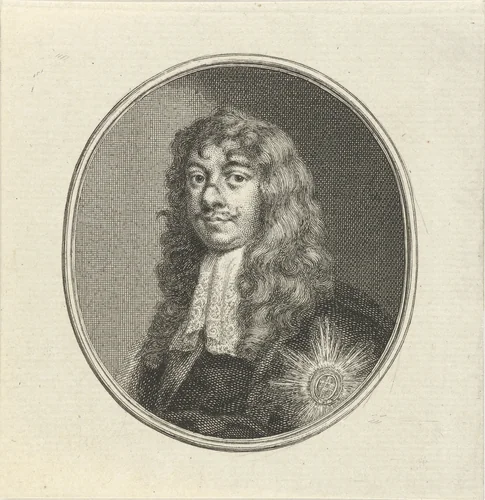
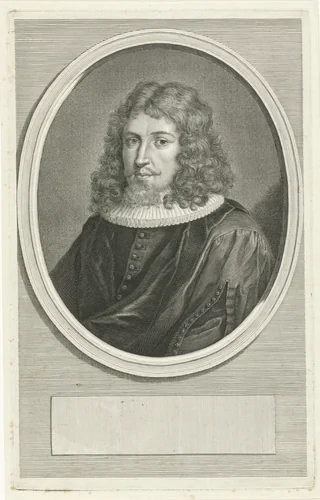
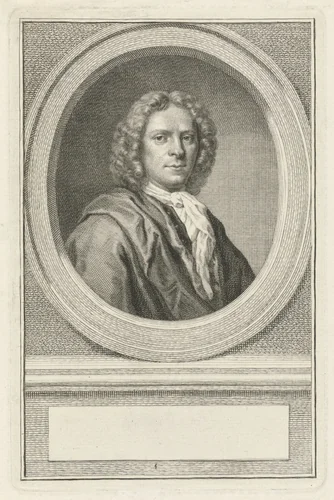
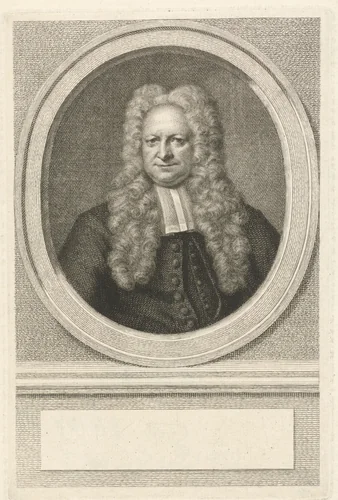
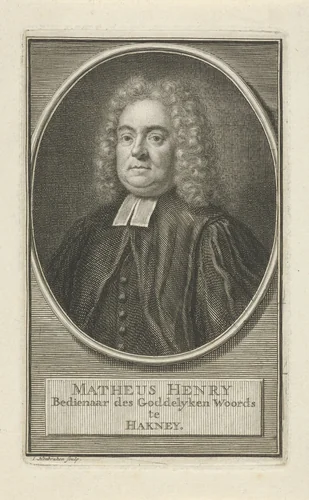
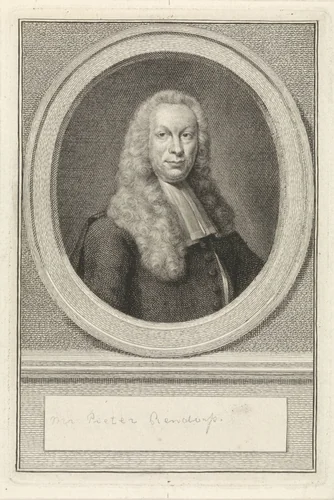
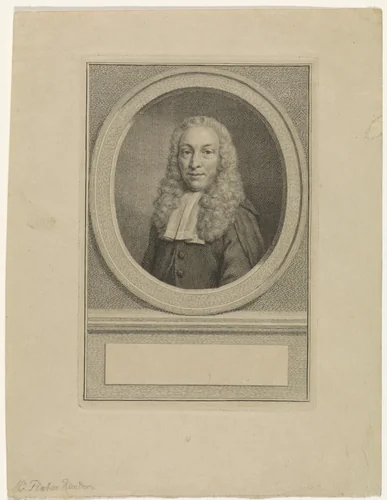
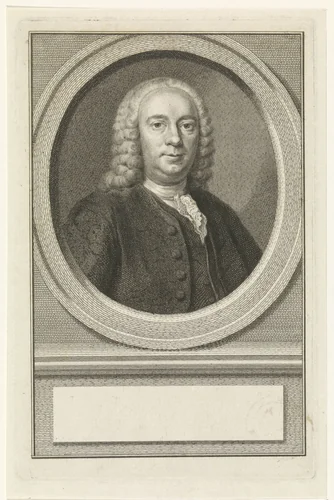
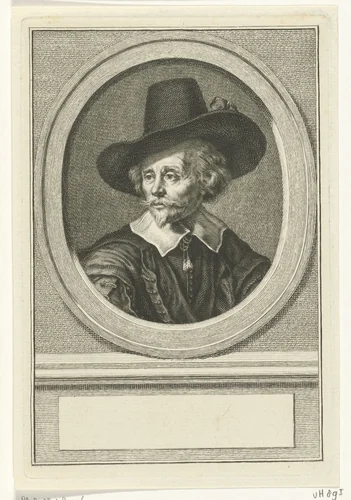
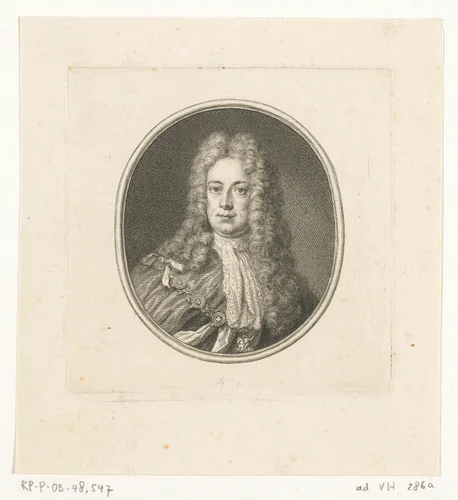
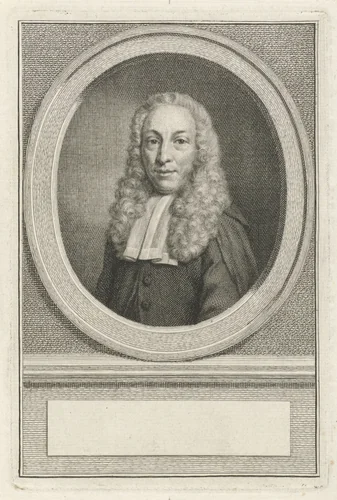
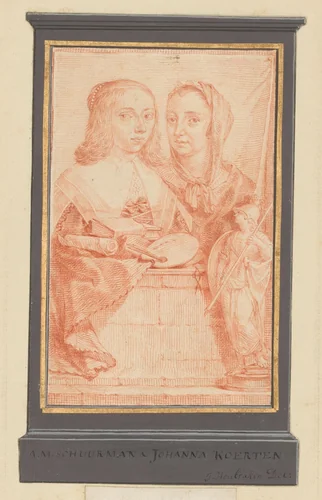
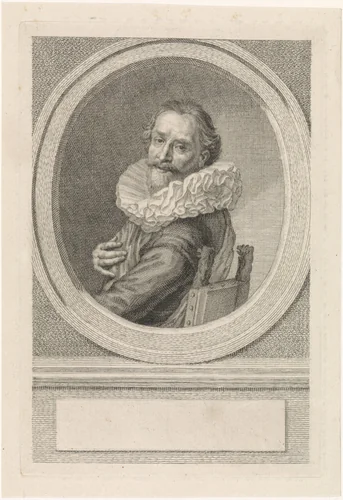
Houbraken’s mature output, extending far beyond the biographical project, showcases a masterful command of copperplate engraving. His skill resided in capturing subtle expressions and varying textures, evident whether depicting figures of state, such as in Portret van Christiaan IV koning van Denemarken, or capturing the character of local figures, exemplified by the detailed likeness found in Portret van Haasje Klaas. The sheer breadth of his commissions reveals a printmaker equally comfortable interpreting philosophical allegory, seen in his sophisticated rendering of Diogenes bij een portret van André-Hercule de Fleury, and memorializing contemporary notables like Portret van David Fransz. van Hoogstraten.
It is perhaps one of art history's minor, pleasing ironies that Houbraken, whose life was dedicated to documenting the precise identity of the celebrated, often allowed his own contribution to remain understated. His meticulous output, spanning over fifteen confirmed prints housed in collections such as the Rijksmuseum, continues to inform our understanding of the period. Today, the enduring quality of his line work ensures that these important pieces, now residing firmly in the public domain, are widely available as museum-quality reproductions and high-quality prints for scholars and enthusiasts alike.
Source: Wikipedia · CC BY-SA 4.0