Jacob Gottlieb Thelot
Jacob Gottlieb Thelot was an artist and designer active circa 1745, primarily specializing in architectural and ornamental engravings. His professional output included the creation of approximately fifteen documented books containing designs for furnishings and decorative schemes.
Thelot’s known work is characteristic of the complex design aesthetics of the mid-eighteenth century. His graphic output focuses heavily on detailed, often monumental religious architecture and decorative motifs derived from contemporary styles. This is exemplified by his series of altar designs, particularly works like Design for a Monumental Altar, which appeared in the publication Unterschiedliche Neu Inventierte Altäre mit darzu gehörigen Profillen u. Grundrißen.
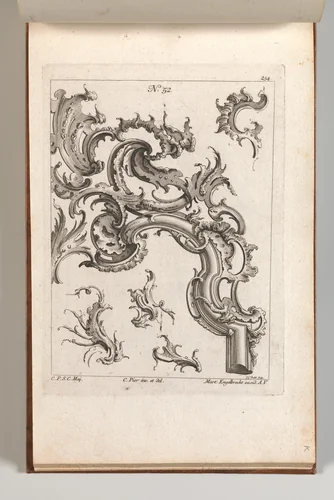
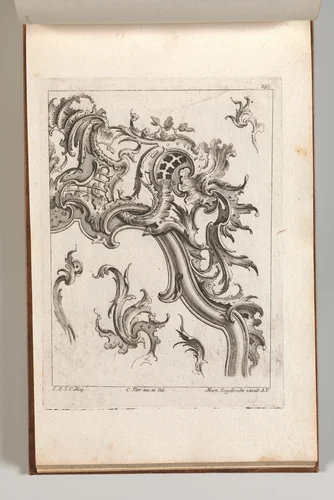
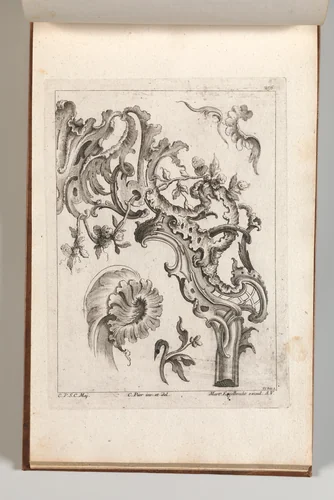
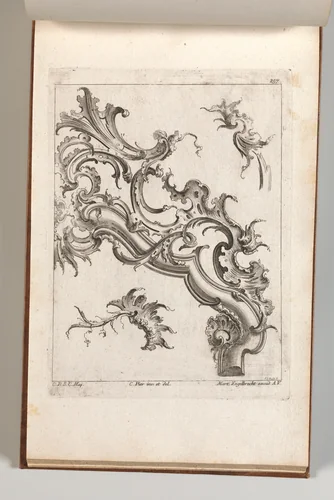
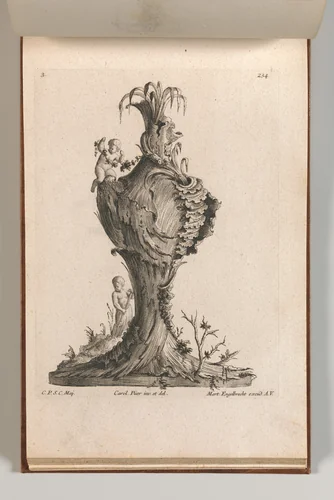
Further illustrating his command of ornamental design are his conceptual compositions for decorative frames, such as the Design for a Rocaille Cartouche with the Figure of Justitia and the corresponding plate featuring Prudentia. These designs utilize the complex shell-work and asymmetrical C-scrolls that define the emerging Rococo aesthetic of the period.
The historical value of Jacob Gottlieb Thelot prints is demonstrated by their preservation in important institutions, including the collection of the Metropolitan Museum of Art. As source material for design history, the surviving examples of Thelot's work are frequently studied. Due to their age, many of these detailed compositions have entered the public domain and are often available as high-quality prints for researchers and collectors.