Jacob de Backer
Jacob de Backer holds a significant, if complex, place in the history of Flemish Mannerism. Active primarily in Antwerp between 1571 and 1585, he was a prolific draughtsman and painter whose distinctive Late-Mannerist style shows a deep engagement with Italian models, particularly the dynamism and heightened emotional pitch prevalent in the High Renaissance period.
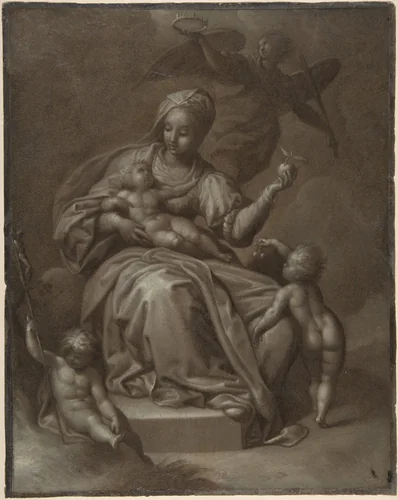
Despite the brevity of his career—he reportedly died around the age of 30—De Backer amassed a surprisingly extensive body of attributed work. This sheer volume has led art historians to consistently debate the extent of his personal output versus the production of a large, busy workshop. The sheer productivity of the studio suggests that while the master may have been short-lived, the demand for his dramatic visual language was exceptionally high among collectors and patrons. The works attributed to him, whether autograph or produced by his immediate circle, consistently demonstrate a sophisticated grasp of anatomy and complex, sometimes dizzying, compositional flair, favoring the refined, elongated figures and unsettling psychological tension characteristic of the style.
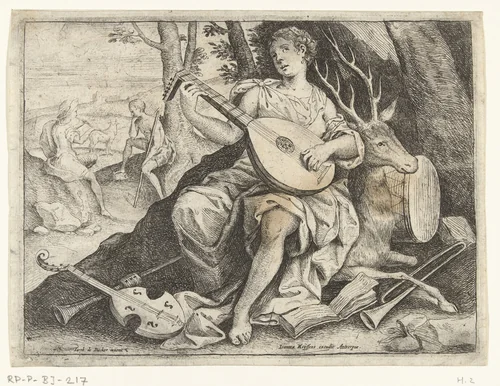
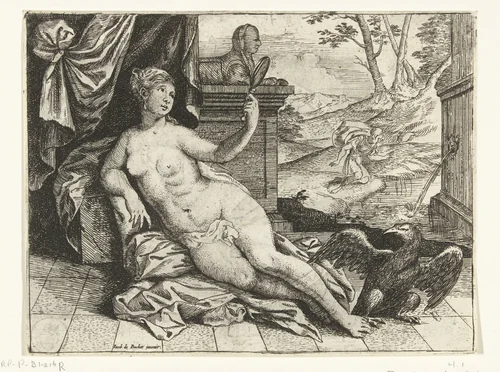
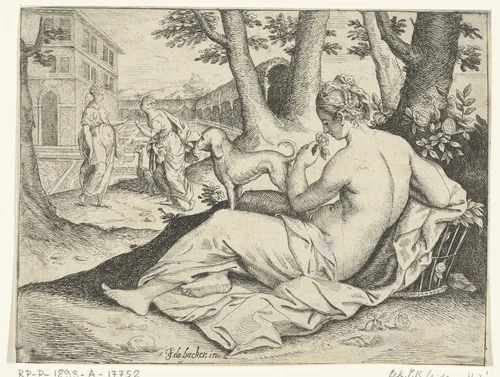
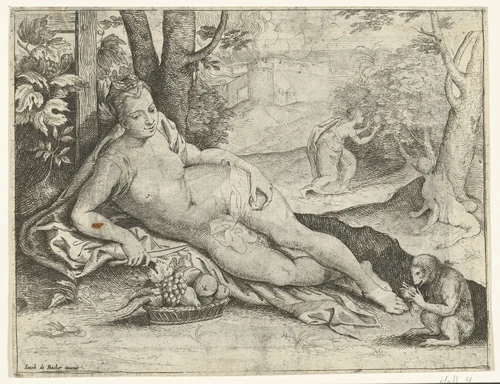
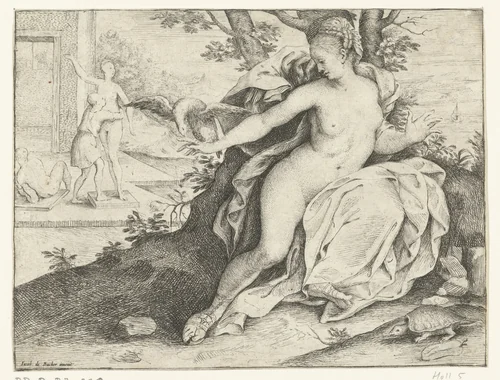
De Backer is perhaps best known for his designs intended for print series, which helped disseminate his highly influential iconography across Northern Europe. The suite depicting the Five Senses, known individually as Gehoor, Gezicht, Reuk, Smaak, and Tastzin, exemplifies the precise, detailed execution that made his creations highly desirable for reproduction by master printmakers. These successful collaborations ensured that the specific visual vocabulary of Jacob de Backer prints became recognized far beyond Antwerp.
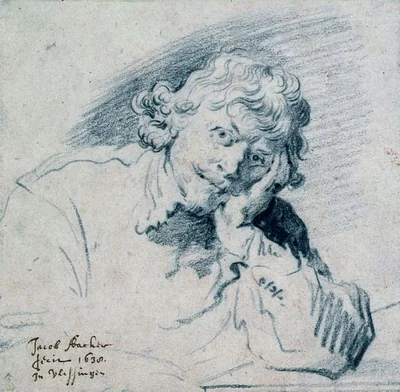
Today, his original drawings and museum-quality paintings are held in prestigious collections, including the Metropolitan Museum of Art and the Rijksmuseum. The enduring scholarly challenge of distinguishing the master’s own hand from that of his skilled assistants provides an engaging area of research, a compelling complexity resulting from an exceptionally high standard of workshop output. Many of these important historical pieces, now firmly established in the public domain, are widely accessible as downloadable artwork, ensuring the influence of this briefly shining Flemish star persists centuries after his premature passing.
Source: Wikipedia · CC BY-SA 4.0