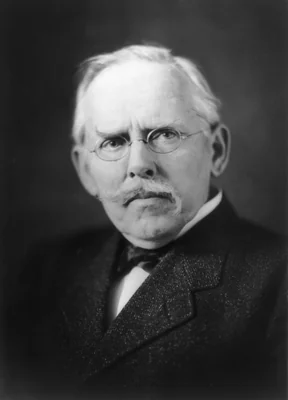
Jacob August Riis
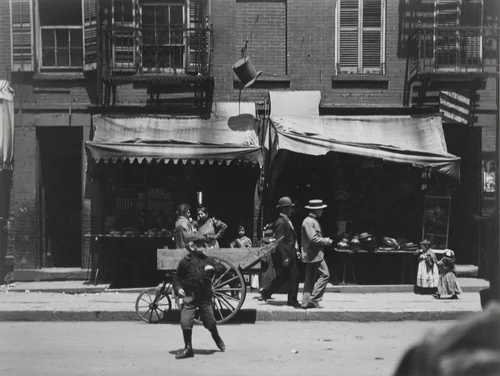
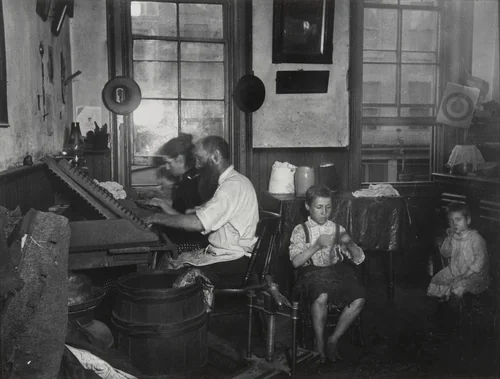
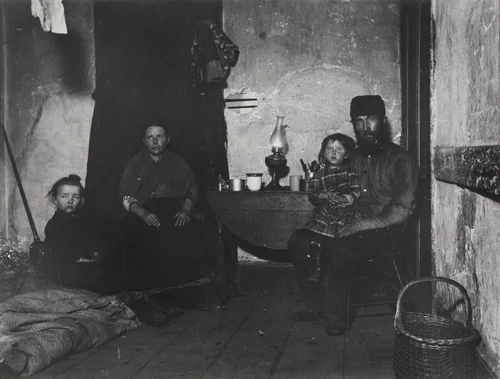
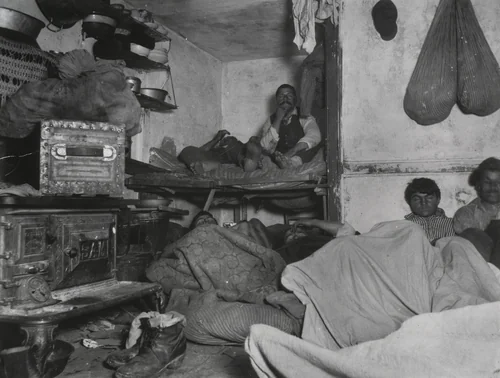
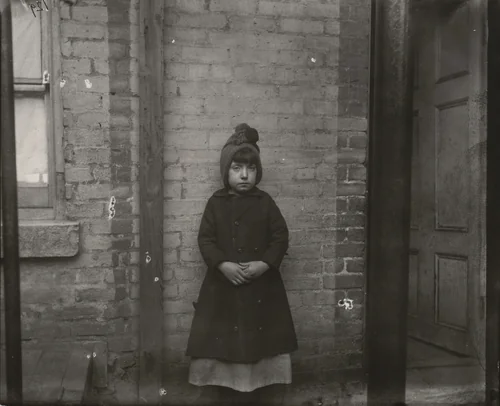
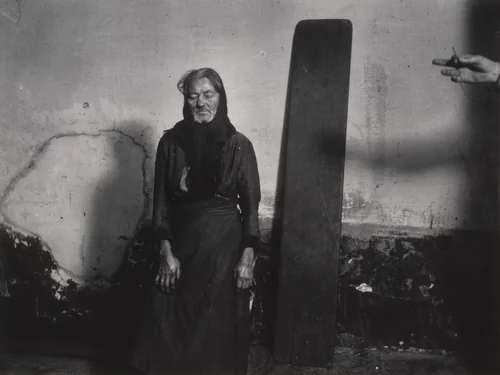
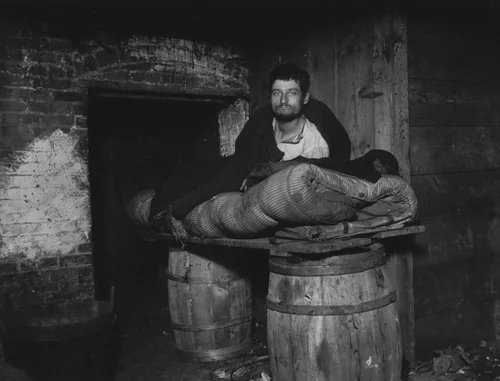
Jacob August Riis (1849-1914) occupies a unique and significant place in the history of American documentary practice. A Danish-American immigrant, he pioneered "muck-raking" journalism and was a crucial figure in the late 19th-century urban reform movement in the United States. His work fundamentally shifted public perception by employing photographic evidence to reveal the dire quality of life endured by New York City’s most impoverished residents. Riis dedicated his prolific career to the cause of urban improvement at the turn of the twentieth century.
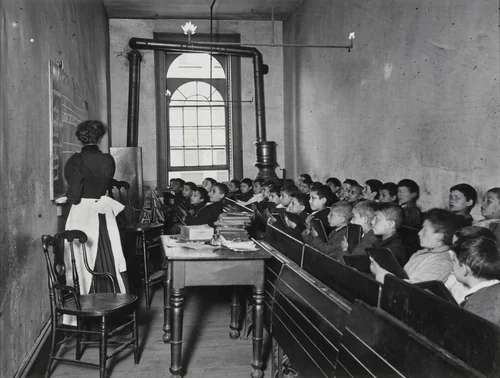
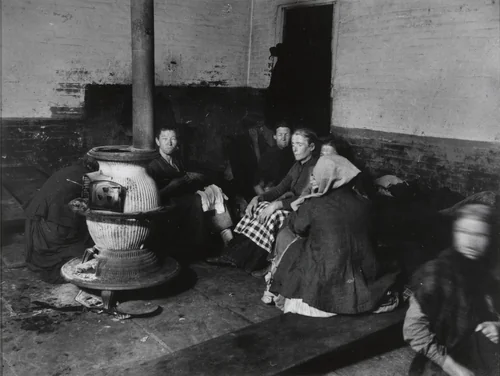
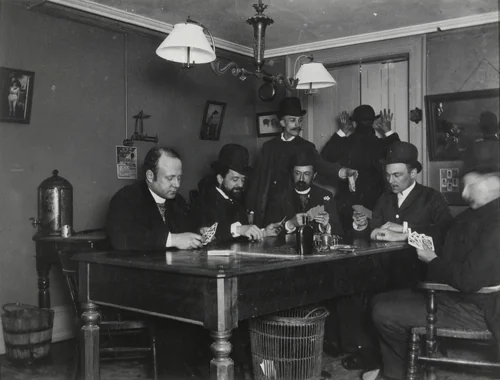
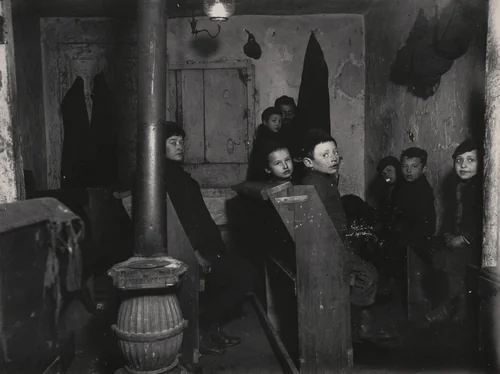
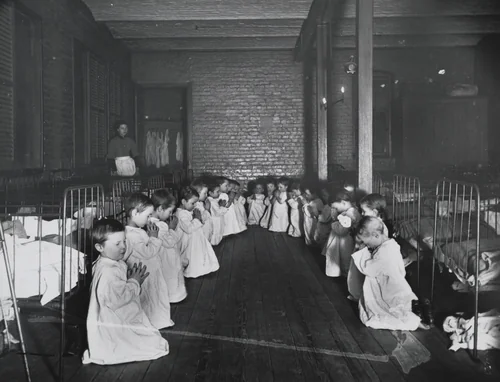
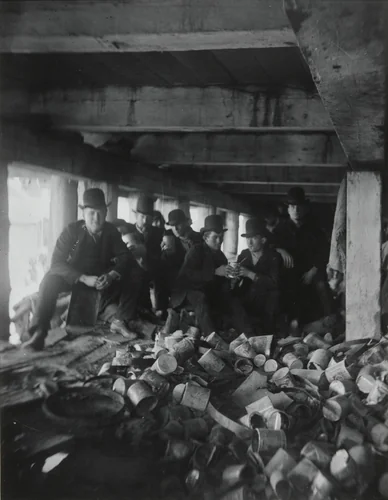
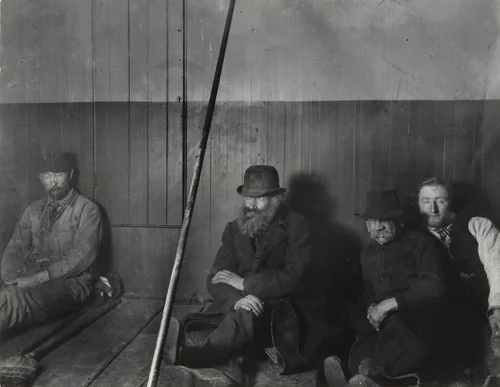
Riis was not merely a chronicler; he was a technical innovator. He was an early proponent of newly practicable casual photography and stands out as one of the very first photographers to adopt and master photographic flash technology. This technical adaptation allowed him to capture scenes previously inaccessible to the camera, such as the suffocating interiors shown in works like East Side Public School. A Class in the Condemned Essex Market School. Gas burning by day or the precarious living situation documented in Police Station Lodgers in Elizabeth Street Station.
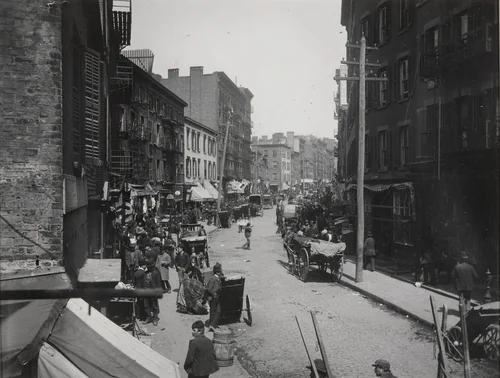
Having personally experienced the grinding poverty he later sought to document, Riis became a police reporter focused intensely on the city’s slums. His methodology was direct: expose the harrowing conditions of the poor to the comfortable middle and upper classes to spur legislative action. Through his compelling photographic corpus, covering his primary active period of 1888-1889, he became a passionate advocate for tangible urban renewal. He strongly endorsed the implementation of "model tenements," working alongside humanitarian Lawrence Veiller to bring about systemic change. It is perhaps telling that his base of operations, the "Reporter Office at 301 Mulberry Street," was located squarely within the neighborhood he helped define, suggesting an unflinching commitment to his subject matter.
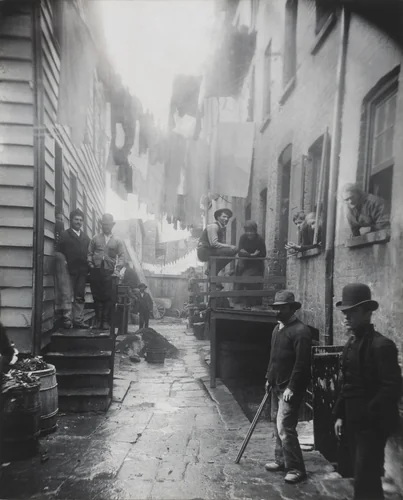
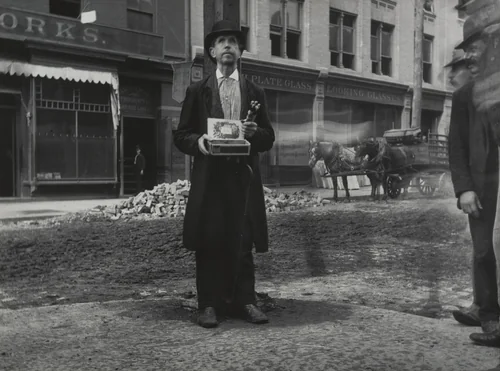
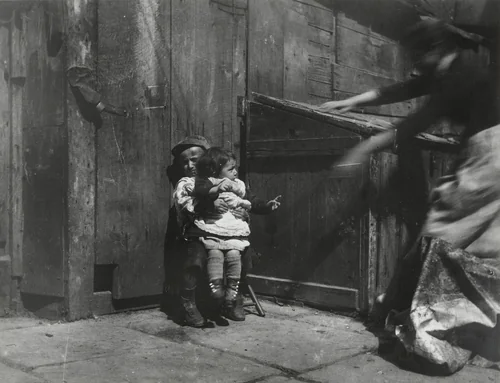
Today, Riis's uncompromising images, including Bandits' Roost, 59 1/2 Mulberry Street and Blind Beggar, are recognized for their foundational role in social documentary. His complete archive provides a powerful visual record of a transformative era. Collected institutionally by major bodies, including the Museum of Modern Art, much of his work is now considered public domain, ensuring widespread access. The ongoing availability of museum-quality high-quality prints and downloadable artwork means that the powerful message conveyed through Jacob August Riis prints continues to inform and challenge viewers a century later.
Source: Wikipedia · CC BY-SA 4.0