Jacob Adriaensz Backer
Jacob Adriaensz Backer (1608-1651) established himself as one of the most prolific and technically sophisticated painters operating in Amsterdam during the height of the Dutch Golden Age. Despite his premature death, which curtailed his career to only two decades, Backer produced an impressive catalogue of approximately 140 known paintings. This extraordinary output demonstrates the demand for his services across the primary genres of the time: masterful portraiture, dramatic religious compositions, and elegant mythological narratives.
Backer’s artistic significance lies in his successful synthesis of international styles. He moved beyond purely regional influences, incorporating the robust plasticity and theatrical drama of Flemish Baroque, notably drawing from Peter Paul Rubens. Simultaneously, he maintained a distinct precision in composition and coloring, often seen in the works of Abraham Bloemaert and the portraitist Wybrand de Geest. This blended approach allowed him to render figures with exceptional three-dimensionality and psychological nuance, securing him a prominent position among Amsterdam’s elite painters before the rise of Rembrandt’s maturity.
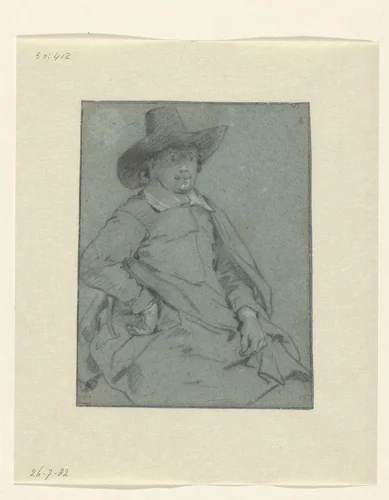
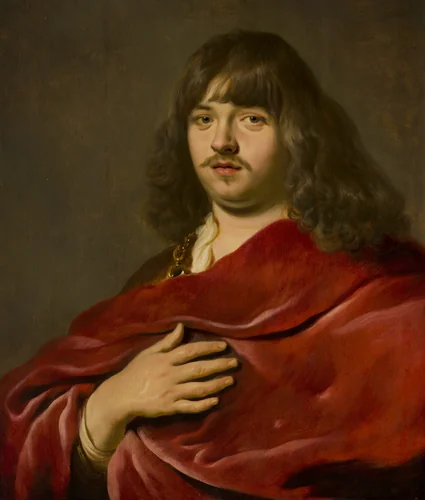
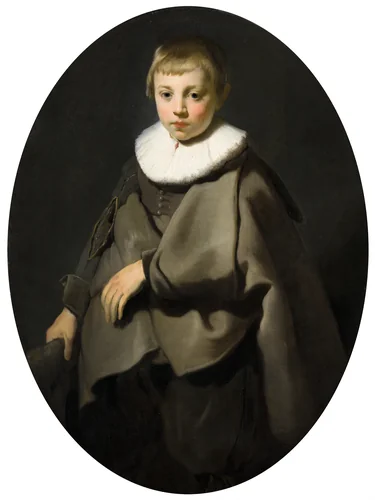
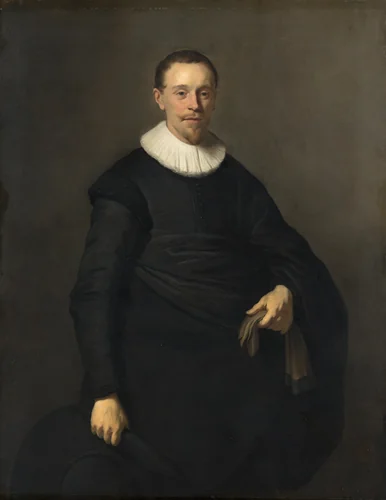
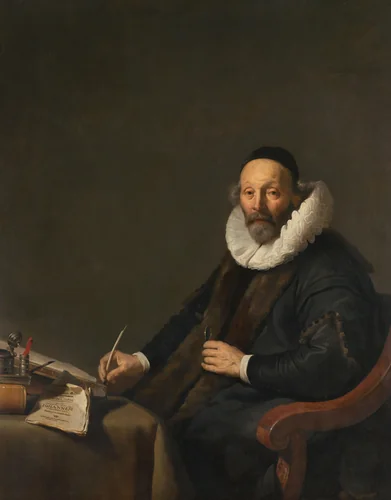
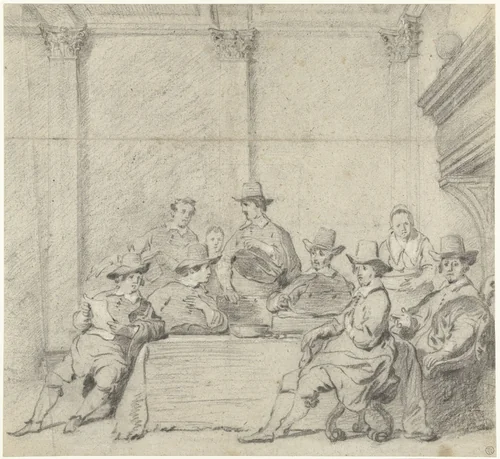
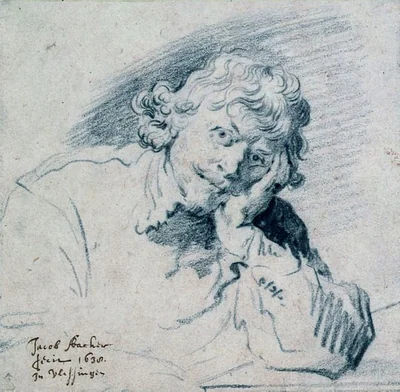
His portraits, such as Portrait of a Man and Portrait of a Boy in Grey, are characteristic examples of high-quality, individualized representation sought by the burgeoning merchant class. Yet, Backer’s technical skill extended far beyond oils. He is particularly noted for his surviving body of graphic work, specifically his delicate yet forceful drawings of male and female nudes. These studies reveal an exceptional focus on academic anatomical fidelity, suggesting intensive preparatory practice that was not universally common among his contemporaries. This mastery of line provided the foundation for the dynamic posture and convincing movement evident in his larger narrative commissions.
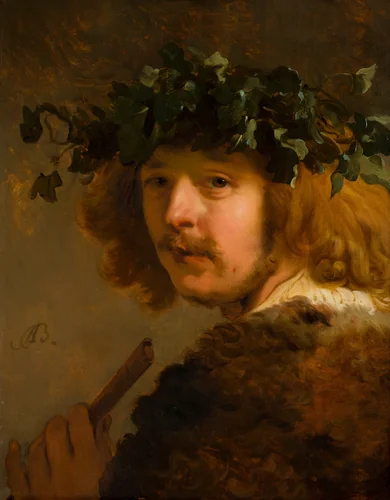
Works like Shepherd with Flute (Self-Portrait?) demonstrate his versatility and ability to infuse genre subjects with classical refinement. Today, many of Jacob Adriaensz Backer paintings remain integral parts of national collections, including the Rijksmuseum and the Mauritshuis, securing their standing as museum-quality Dutch art. Furthermore, the longevity and historical importance of his legacy mean that a substantial portion of his oeuvre is now in the public domain, making high-quality prints and downloadable artwork readily accessible for modern study and appreciation.
Source: Wikipedia · CC BY-SA 4.0