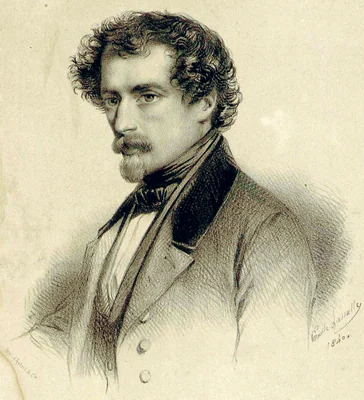
J. J. Grandville
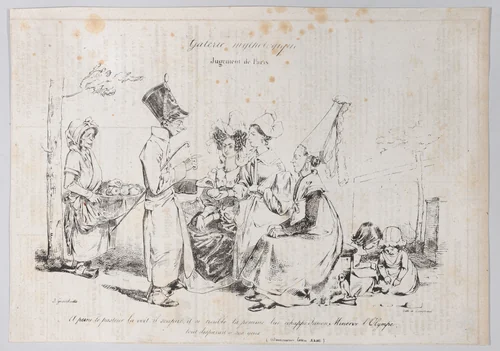
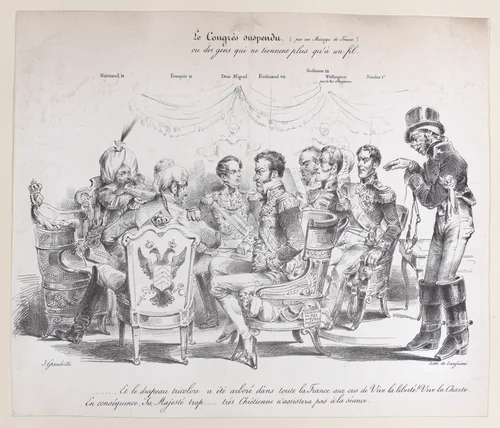
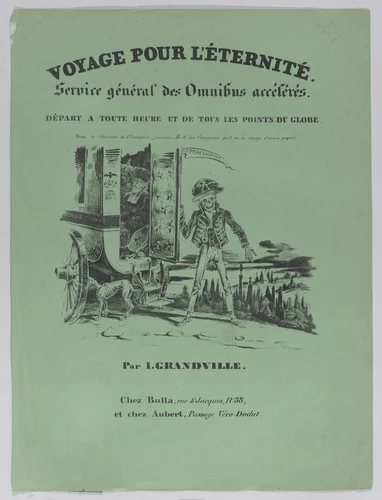
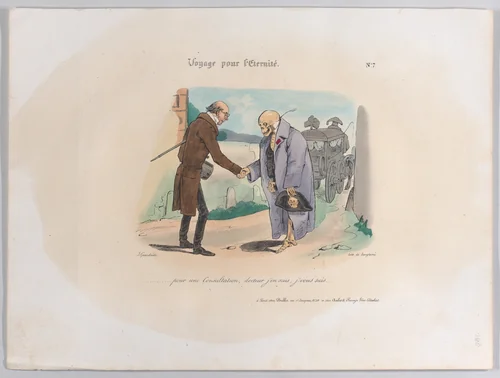
Jean Ignace Isidore Gérard, known universally by the pseudonym J. J. Grandville, stands as a pivotal figure initiating the great age of French visual satire in the early nineteenth century. Prolific as both an illustrator and a political caricaturist, Grandville achieved widespread contemporary recognition by transforming ephemeral social commentary into deeply imaginative and unsettling visual narratives. Art historians credit him as the first star of French caricature, noting the rapidity with which his unique style dominated the illustrated press.
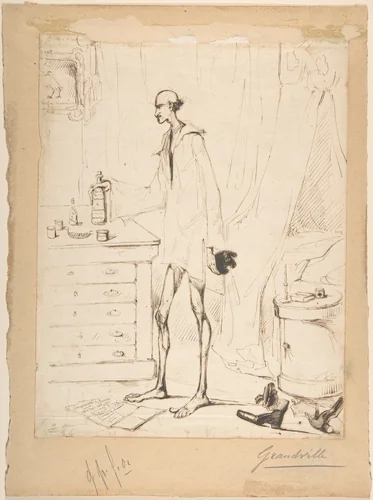
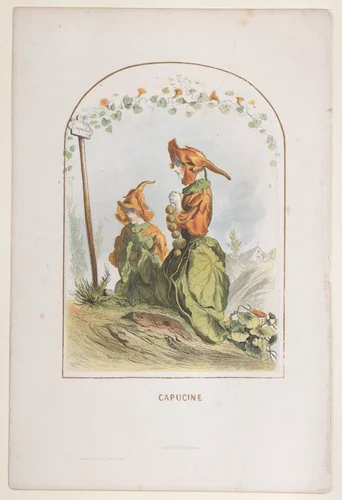
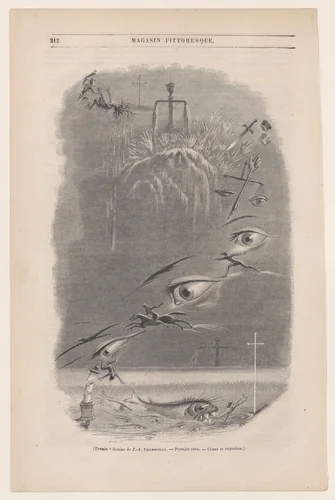
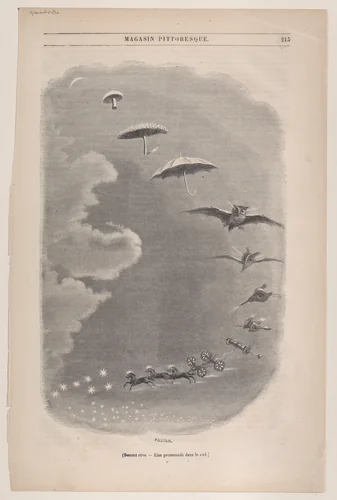
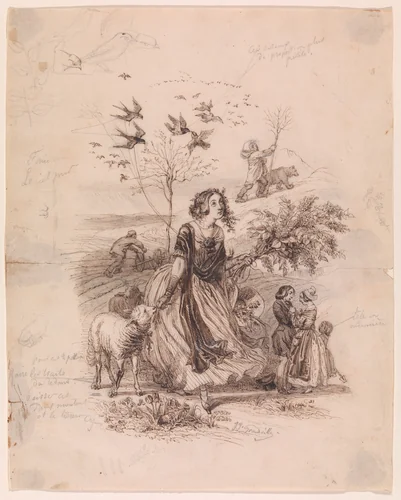
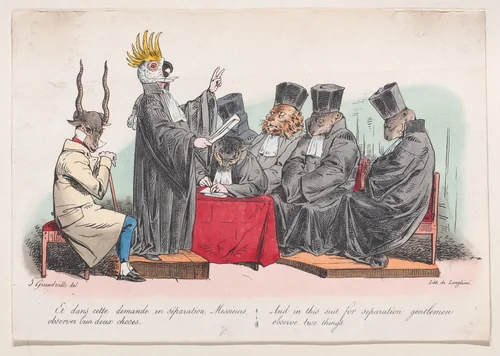
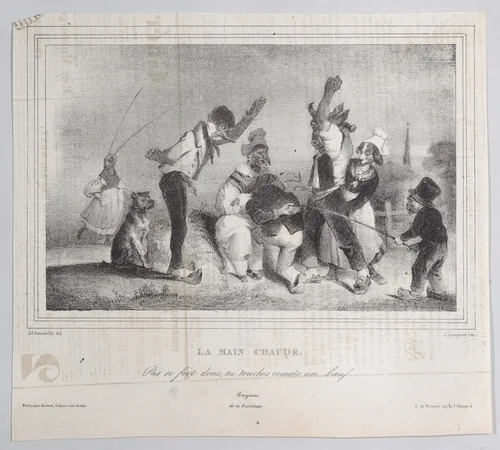
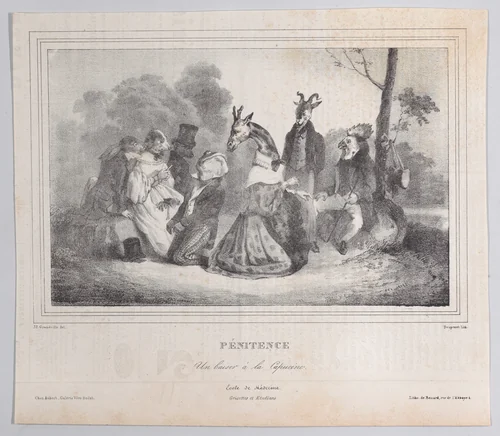
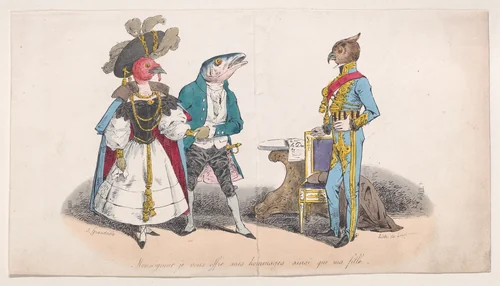
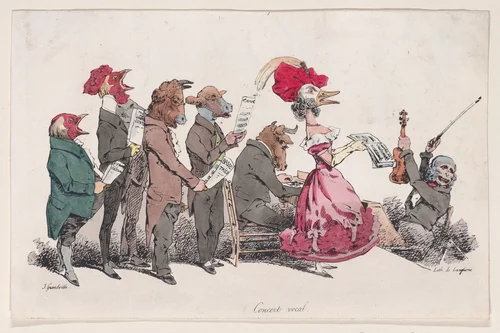
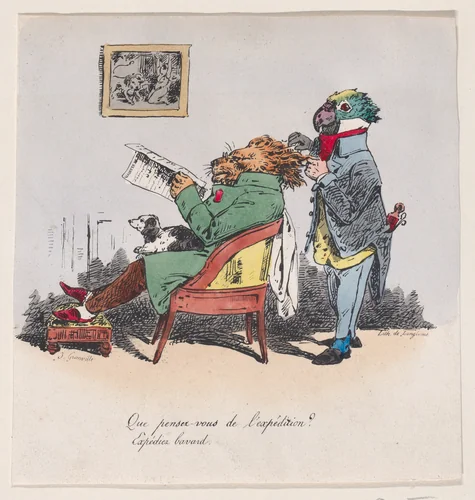
Grandville’s distinctive output is characterized by a potent and often jarring blend of the symbolic, the dreamlike, and the profoundly incongruous. He possessed a rare technical ability, lending authority even to his wildest flights of fancy, which focused intently on dissecting societal hypocrisy. Critics have observed that his work achieved the strangest and most pernicious transfigurement of the human shape ever produced by the Romantic imagination. His satirical repertoire famously deployed anthropomorphic figures and zoomorphic characters—as seen in illustrations for Les Fleurs Animées or the print Man in a Nightshirt Reaching for a Bottle Labeled "Fountain of Youth"—to populate his meticulously rendered compositions.
The radical nature of Grandville’s visual logic anticipated subsequent artistic developments, cementing his contemporary reputation as a proto-surrealist artist. His uncanny juxtapositions and narrative strangeness were greatly admired by key figures of the twentieth-century Surrealist movement, notably André Breton. The influence of his cartoons extended immediately across Europe, shaping the styles of succeeding generations of illustrators, including John Tenniel, Gustave Doré, and Félicien Rops. His work even established foundational precedents for figures in early animation, such as Walt Disney, confirming his lasting legacy.
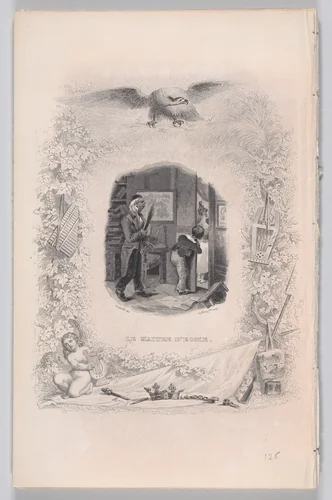
Preserved in major institutions like the Metropolitan Museum of Art, Grandville’s extensive production means that much of his pioneering work, including numerous J. J. Grandville prints and detailed book illustrations, is now available in the public domain. These high-quality prints and original drawings continue to be studied for their unique fusion of technical virtuosity and psychological complexity, confirming Grandville’s enduring status as a cornerstone of modern graphic satire.
Source: Wikipedia · CC BY-SA 4.0