J. Craig Annan
James Craig Annan (1864-1946) stands as a crucial figure in the late Victorian and Edwardian transition of photography from technical craft to high art. As a pioneering Scottish-born photographer and an Honorary Fellow of the Royal Photographic Society, Annan was central to the international Pictorialist movement, seeking to infuse photographs with the subjective atmosphere and aesthetic depth previously reserved for painting. His brief, yet intense, period of documented activity, peaking between 1904 and 1910, cemented his reputation among the avant-garde.
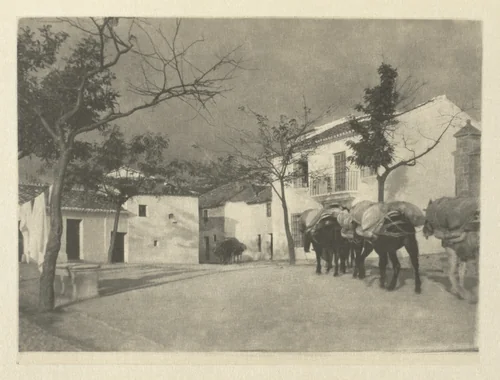
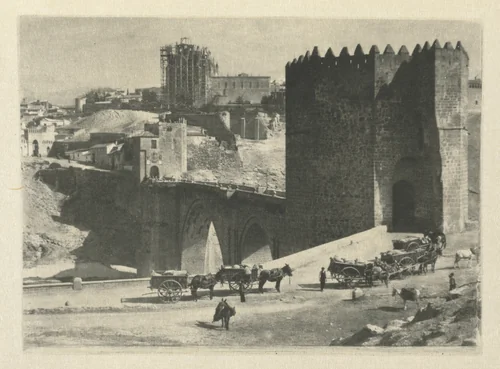
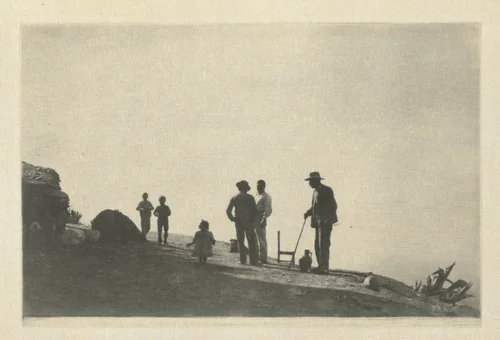
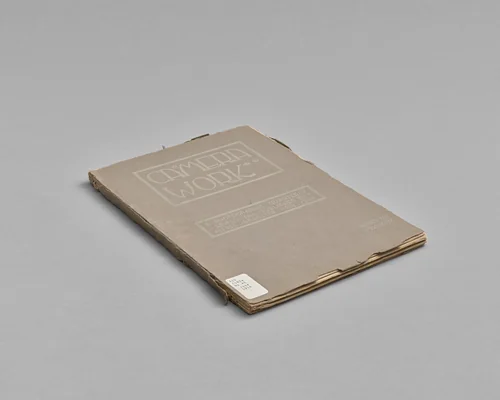
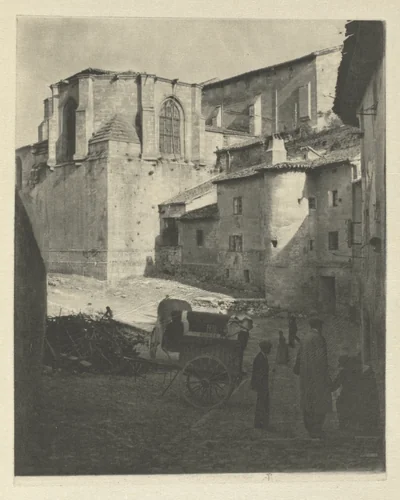
Annan’s technical mastery was often expressed through the delicate, tonal nuance of photogravure, a specialized printing process that allowed his compositions to achieve a rich, almost etching-like texture. This technique was vital for proponents aiming for museum-quality results, as it allowed the photographer to achieve deep tonal range and atmospheric diffusion. He was a frequent and celebrated contributor to Alfred Stieglitz’s influential journal, Camera Work, which championed photography as a legitimate fine art in the early 20th century.
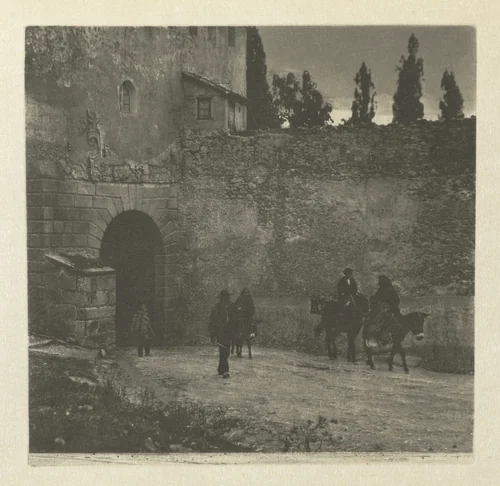
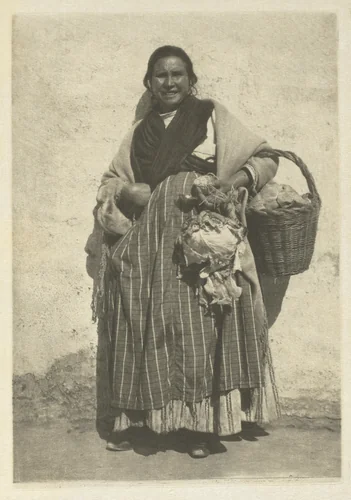
Featured works in Camera Work showcase his impressive stylistic range, spanning formal portraiture, such as Prof. John Young, of Glascow University, genre studies, like Frau Mathasius, and evocative atmospheric studies, including On a Dutch Shore and A Franciscan, Venice. It is perhaps in the mood pieces that Annan’s distinct voice emerges most clearly; titles like The Dark Mountains are less topographical identifiers and more indices of emotional register, signaling a turn toward subjective feeling over objective record.
Despite the relatively short window of his primary activity, Annan compiled an astonishing fifteen photographic books, suggesting an intense drive toward cataloging and presentation that characterized the period's commitment to publishing photo-documentation. His significant contributions to the history of the medium, held in collections worldwide, including the Cleveland Museum of Art, ensure his ongoing scholarly relevance. Today, many of his influential J. Craig Annan prints are available as high-quality prints through public domain archives, allowing contemporary audiences to study the textures and compositions that redefined photographic aesthetics a century ago.
Source: Wikipedia · CC BY-SA 4.0