Izaak Jansz. de Wit
Izaak Jansz. de Wit was a printmaker whose known activity spans the transitional period of the late 18th and early 19th centuries, specifically documented between 1798 and 1808. His surviving artistic output consists entirely of Izaak Jansz. de Wit prints, demonstrating proficiency in subjects ranging from genre studies and figural work to detailed topographical records.
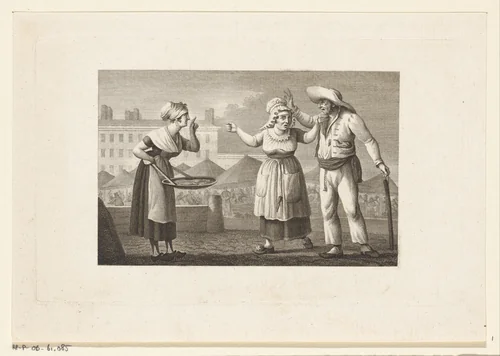
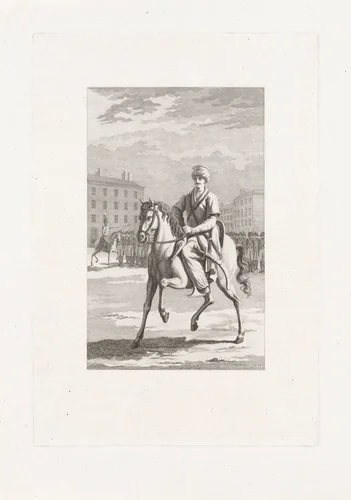
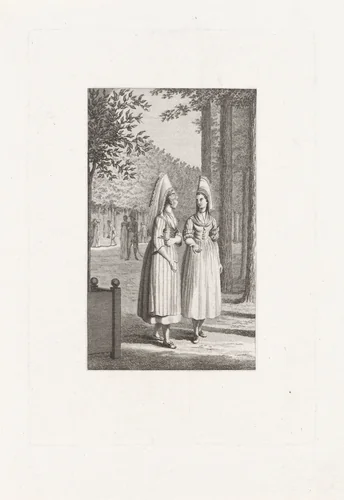
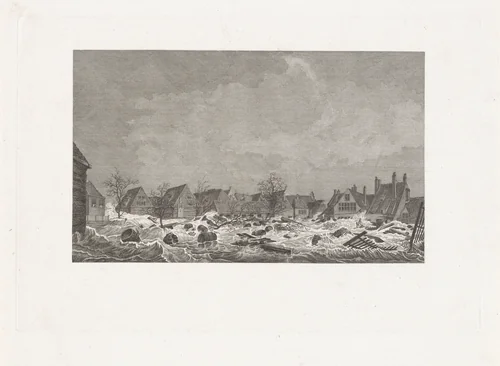
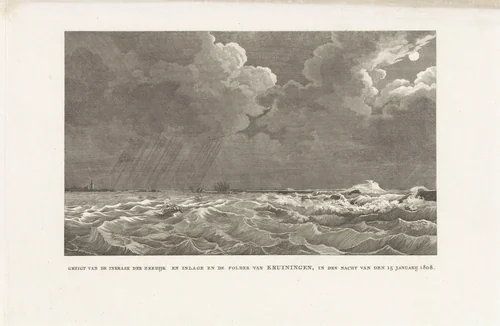
The documented works showcase a variety of subjects contemporary to the period. Notable genre scenes include Drie kijvende marktkooplieden (Three Squabbling Market Vendors) and Twee vrouwen in Franse klederdracht (Two Women in French Costume), while Mammeluk te paard (Mamluk on Horseback) is representative of his figure studies. De Wit also captured significant events, such as the 1808 dike failures documented in the companion pieces Doorbraak van de Zeedijk te Kruiningen (Breach of the Kruiningen Sea Dike) and Doorbraak van de Wijnbergse Kaai te Vlissingen (Breach of the Wijnbergse Quay at Vlissingen).
Five of De Wit’s prints are currently represented in museum collections, establishing his presence in historical graphic arts. These works are primarily preserved by the Rijksmuseum in Amsterdam. Due to their age, these masterworks are frequently in the public domain, allowing institutions to make high-quality prints available for research and scholarly access.