Italian Painter
The Italian Painter was a designation used for an extensive body of work spanning the late Medieval through the early Mannerist periods, active from 1275 to 1570. This vast chronology suggests the designation applies to a workshop, school, or grouping of artists whose collective output defined the evolution of religious painting across three centuries in Italy.
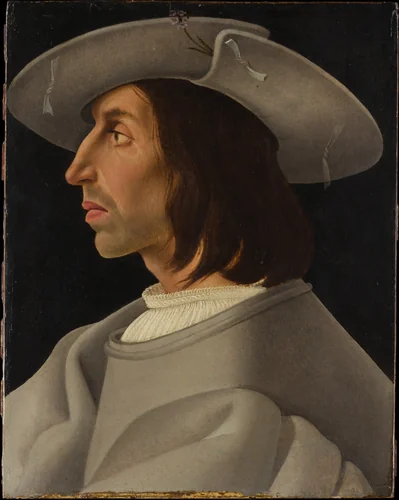
Fifteen works by the Italian Painter are currently documented in major museum collections, establishing the enduring art historical relevance of their output. The significance of these objects is confirmed by their inclusion in institutions such as the Metropolitan Museum of Art.
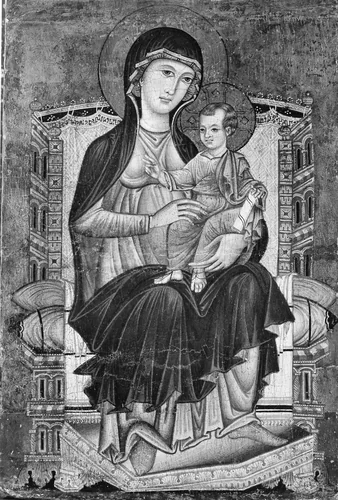
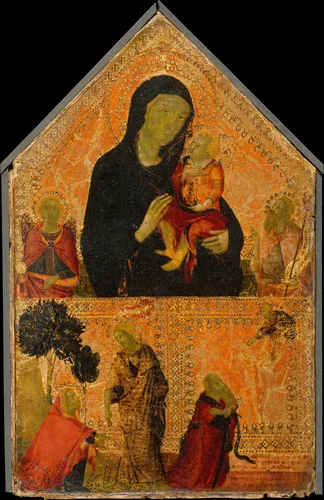
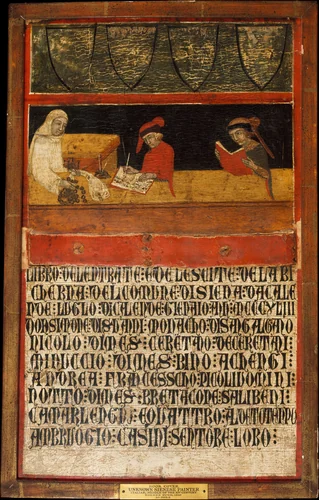
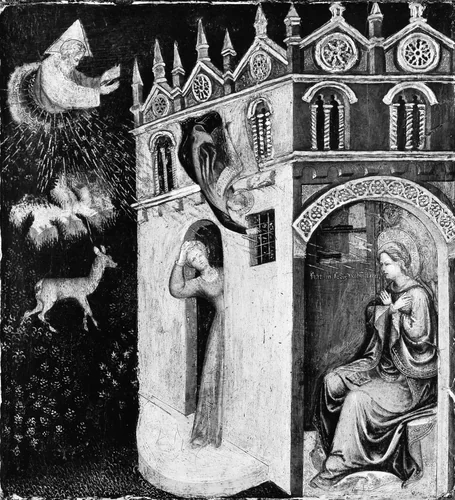
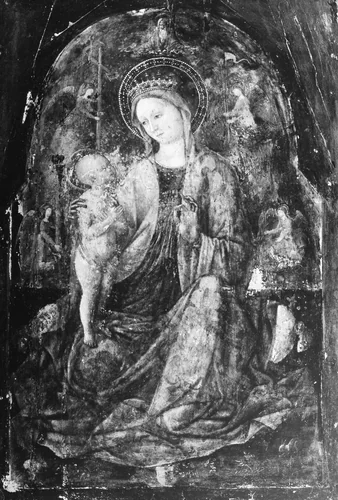
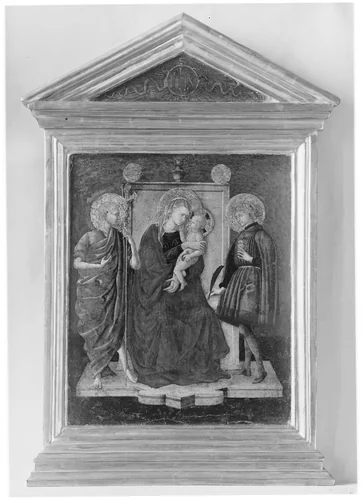
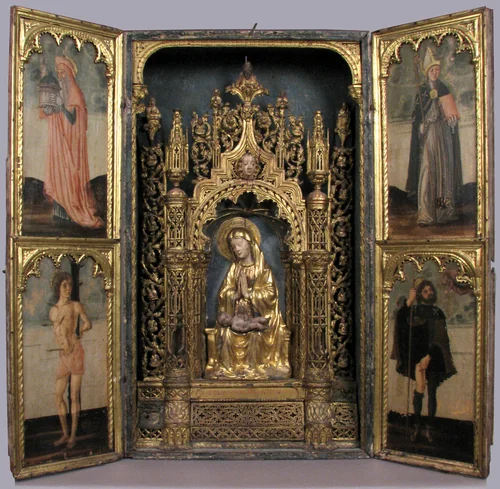
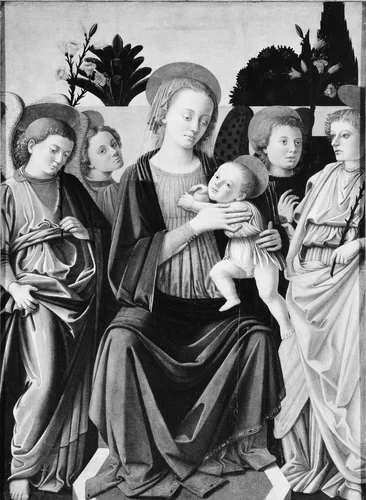
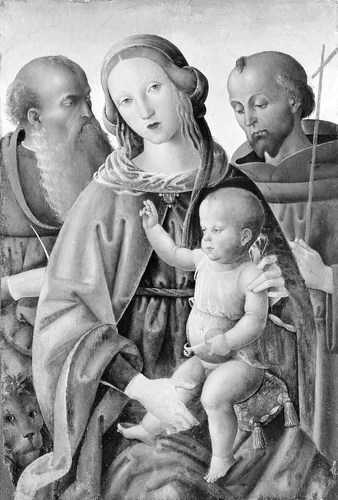
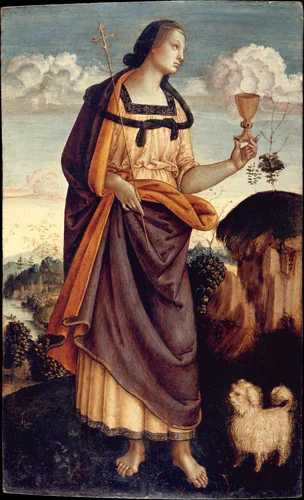
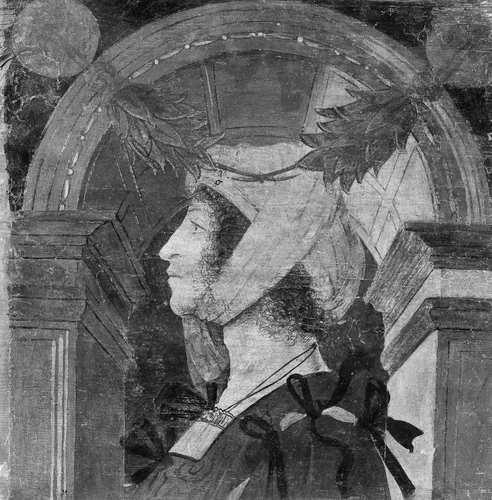
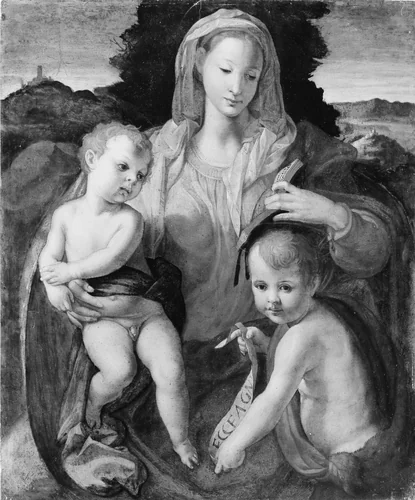
The documented works focus overwhelmingly on Marian and Christological themes, typical of Renaissance devotional art. Notable examples include the panel painting Madonna and Child Enthroned and the simpler Madonna and Child. A complex, multi-scene work documenting several Biblical episodes is also preserved: Madonna and Child with Saints Michael and John the Baptist; The Noli Me Tangere; The Conversion of Saint Paul. The catalog also features the non-traditional object Book Cover.
Due to the age of the works, many Italian Painter paintings are now in the public domain. This accessibility allows for the creation of museum-quality reproductions, including high-quality prints and downloadable artwork made available by collecting institutions.
Source: Wikipedia · CC BY-SA 4.0