Italian 13th Century
The designation Italian 13th Century refers to an unidentified master or workshop active in Italy between the approximate dates of 1250 and 1270. This chronology places the artist’s output squarely within the transitional Duecento period, where art remained predominantly focused on ecclesiastical and liturgical functions. The surviving material is primarily composed of small drawings, suggesting specialization in preparatory studies or manuscript illumination.
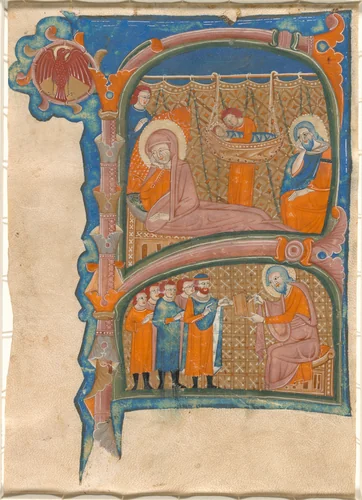
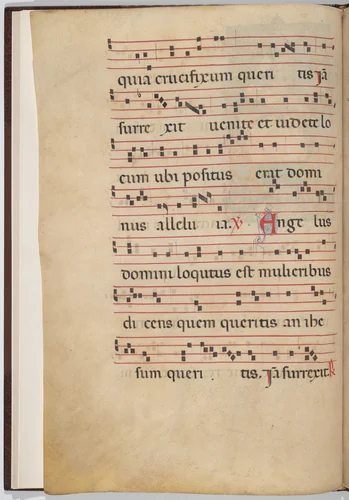
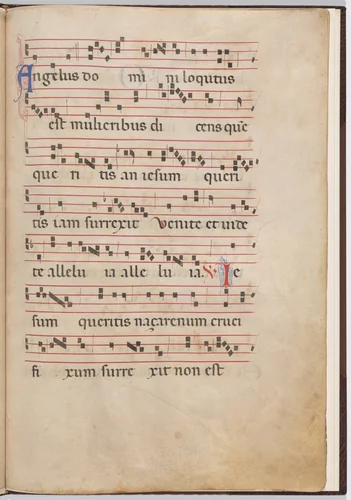
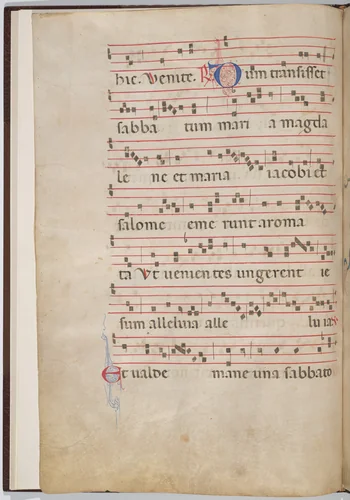
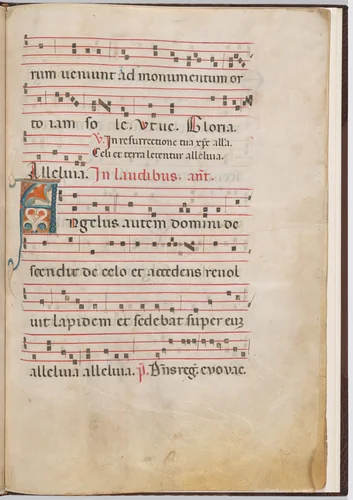
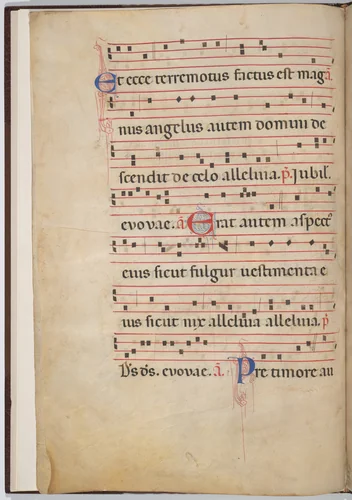
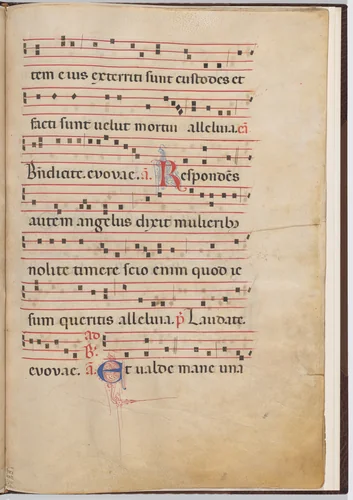
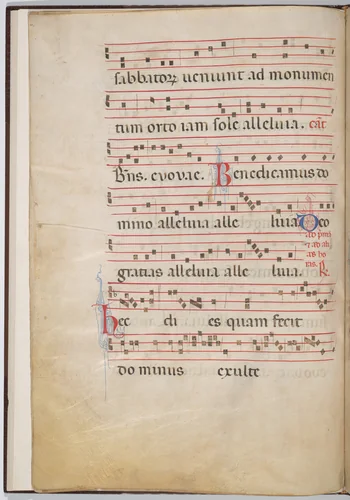
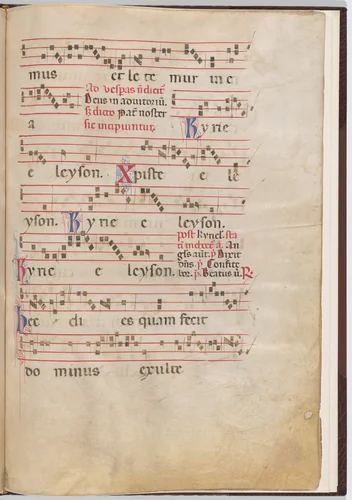
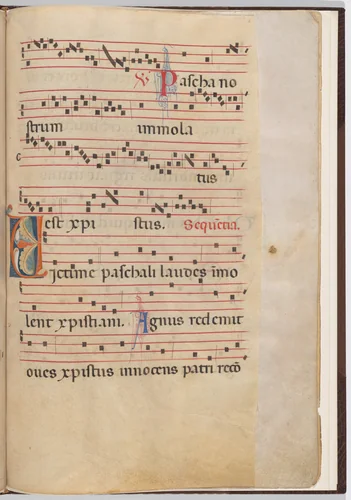
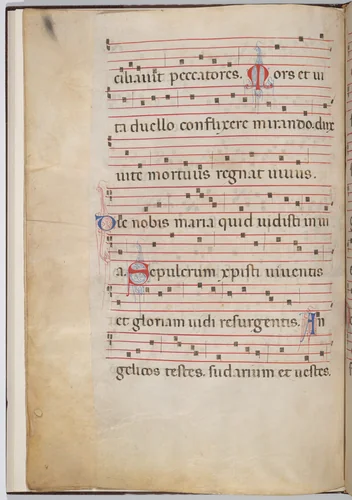
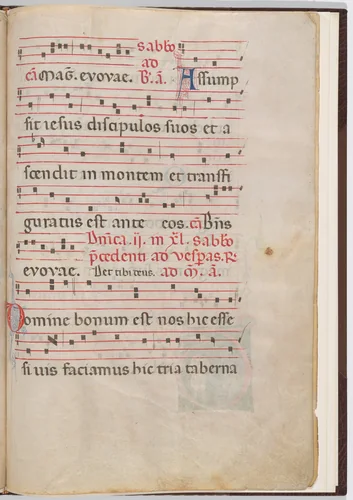
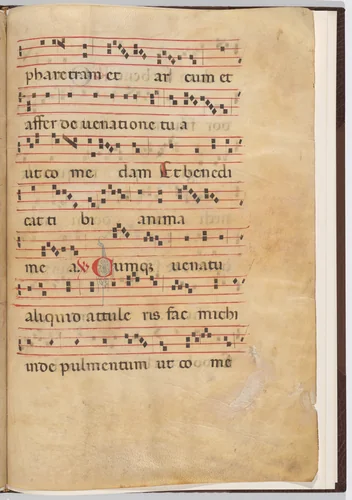
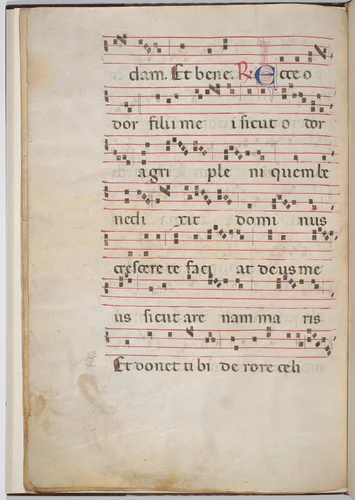
A corpus of fourteen drawings currently attributed to this workshop is preserved in museum collections, confirming the importance of these artifacts to the study of early Italian 13th Century prints and drawing practices. The works are often fragments of larger volumes, such as the surviving pieces titled Leaf 1 from an antiphonal fragment (verso), Leaf 2 from an antiphonal fragment, and Leaf 3 from an antiphonal fragment. A more complete compositional study is represented by the work Birth and Naming of John the Baptist.
These historical drawings are chiefly represented in the permanent collection of the National Gallery of Art. Because of their antiquity, many of these artifacts are now considered part of the public domain, allowing institutions to provide downloadable artwork for academic study. The detailed nature of these devotional renderings ensures that they remain available to scholars and collectors, often reproduced today as high-quality prints.