Italian
The designation "Italian" represents a monumental artistic tradition spanning the medieval and early Renaissance epochs, roughly 1140 to 1445. This vast chronology, encompassing the transition from the Byzantine-influenced Romanesque to the refined Gothic style, saw the codification of visual language that would define the later Renaissance. The collective works attributed to this powerful school, comprising twelve surviving paintings and three drawings, illustrate the evolving methods of devotion and patronage across the Italian peninsula. The significance of this legacy is affirmed by the placement of these foundational works in pre-eminent international collections, including the Metropolitan Museum of Art and the Art Institute of Chicago.
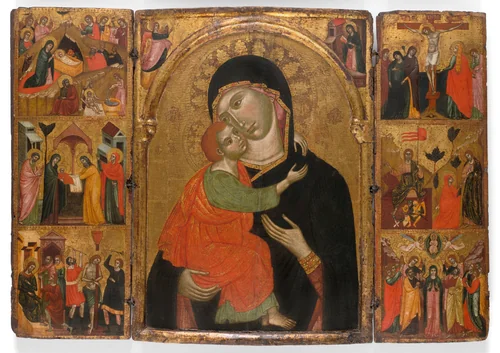
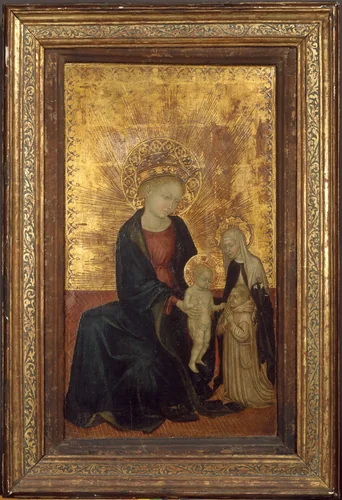
The mastery of these anonymous artists lay primarily in two distinct yet related fields: devotional panel painting and the intricate art of illuminated manuscripts. Works like the Triptych of the Virgin and Child with Scenes from the Life of Christ exemplify the shift from rigid, hieratic iconography toward a more tender and emotionally resonant humanism that blossomed in the thirteenth and fourteenth centuries. These panels, characterized by rich color and delicate gilding, functioned as essential focal points for private worship.
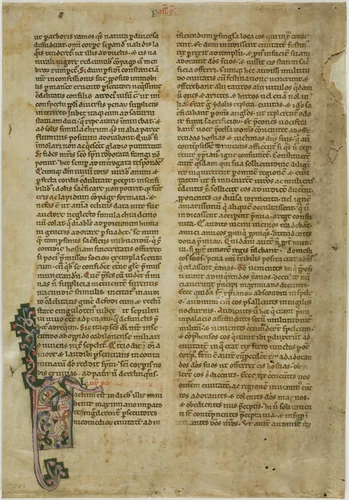
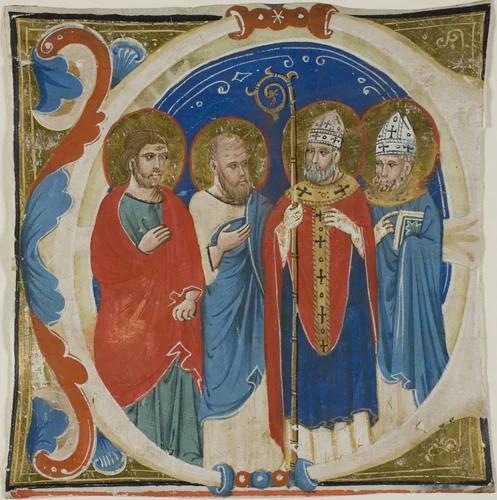
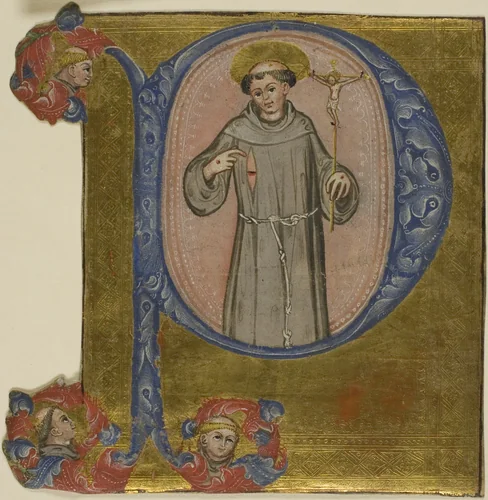
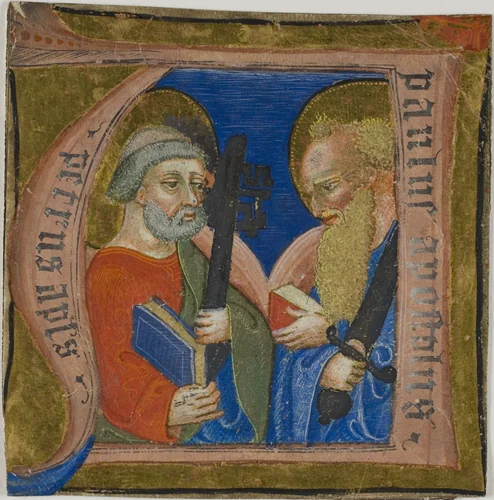
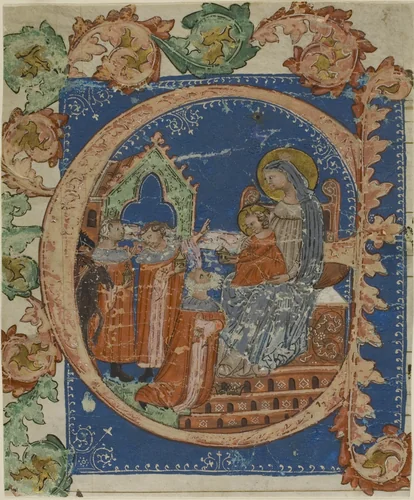
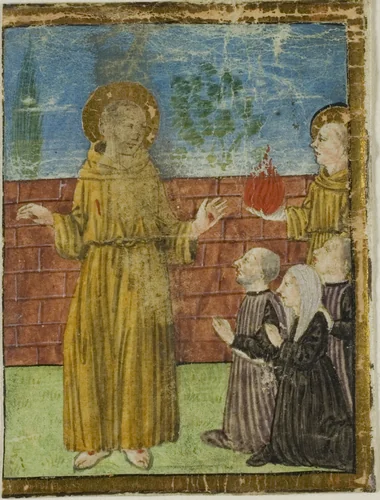
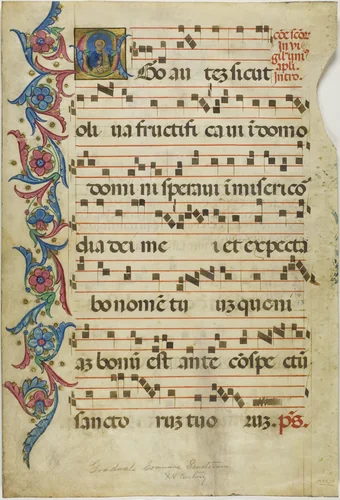
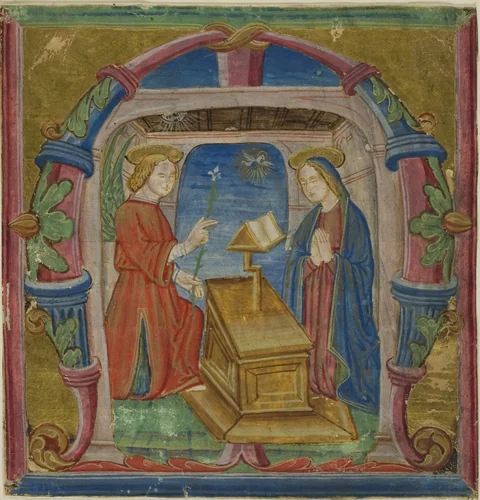
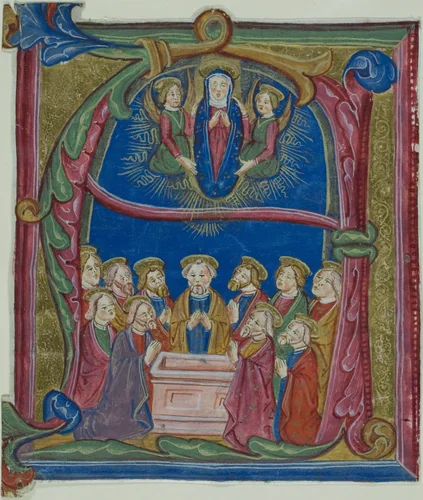
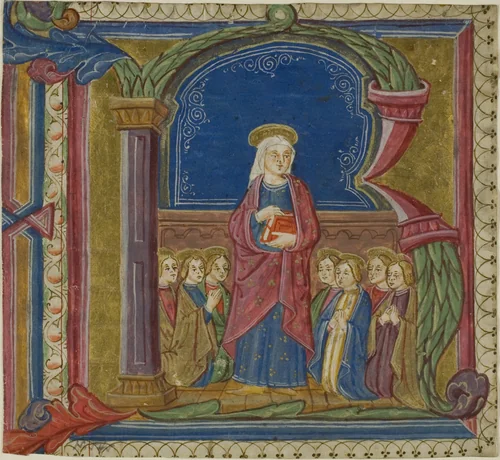
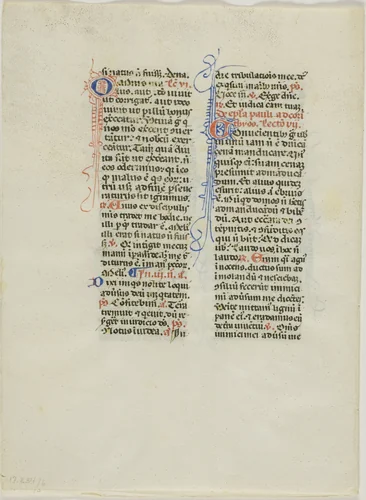
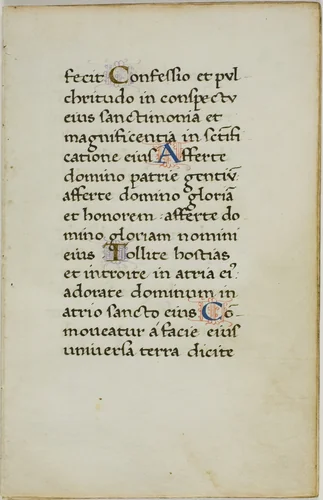
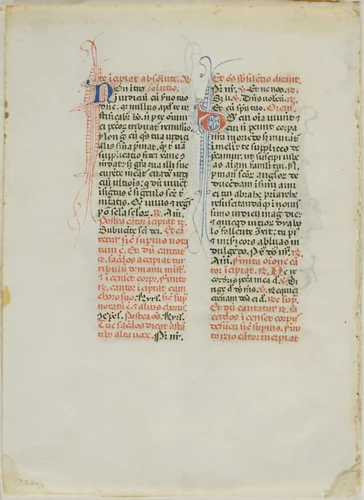
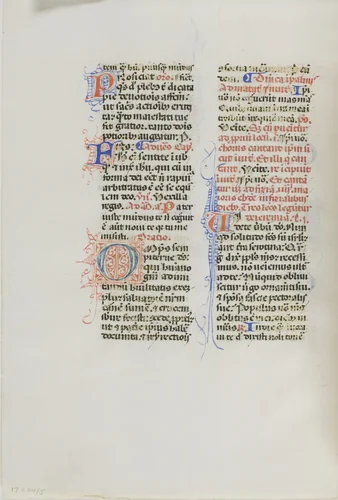
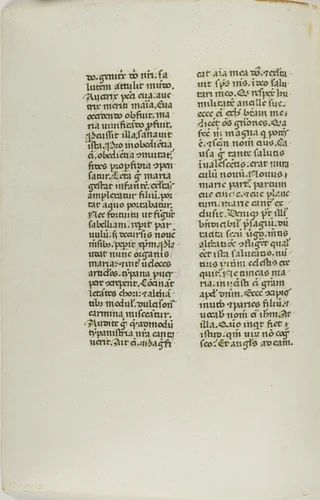
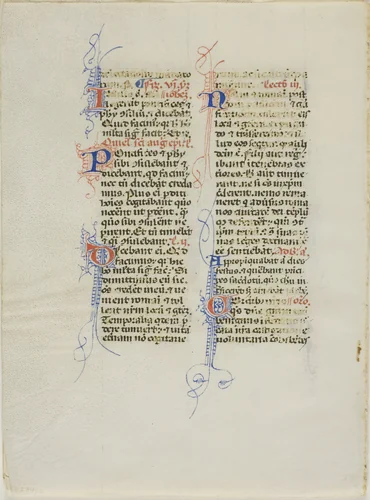
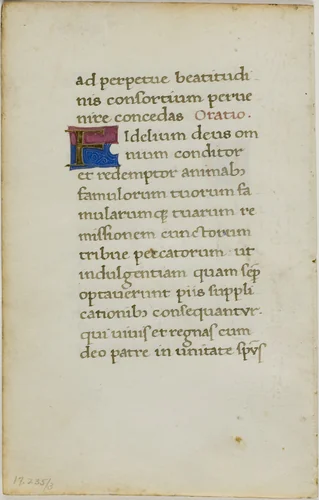
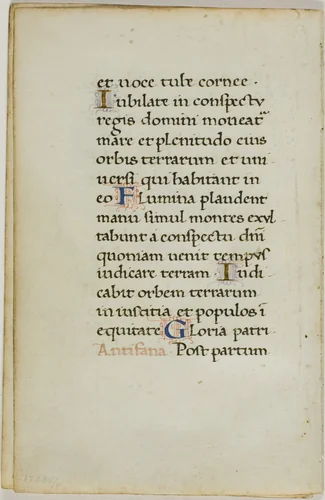
Equally compelling are the surviving examples of manuscript illumination, which reveal an exceptional dexterity in working at miniature scale. The creation of historiated initials transformed texts, embedding narrative and portraiture directly into the reading experience. Pieces such as the Two Saints and Two Bishops in a Historiated Initial "E" from a Choir Book and the vibrant Saint Francis in a Historiated Initial "P" demonstrate a keen ability to compress complex theological themes into small, powerful frames. A curious feature of this expansive, centuries-long tradition is its stylistic consistency; despite the extended timeline, the work maintains an unwavering dedication to narrative clarity, suggesting an enduring, authoritative control within the established workshop system.
Today, access to the visual grammar established by these masters is broad. Many of these important Italian paintings and prints are securely within the public domain, allowing institutions and art enthusiasts alike to generate high-quality prints and downloadable artwork. This sustained availability ensures that the foundational artistic achievements of the medieval Italian world continue to inform the study of European art and religious history.
Source: Wikipedia · CC BY-SA 4.0