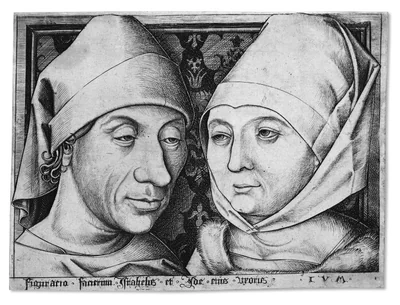
Israhel van Meckenem
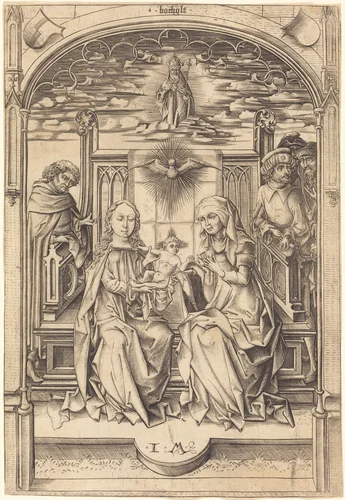
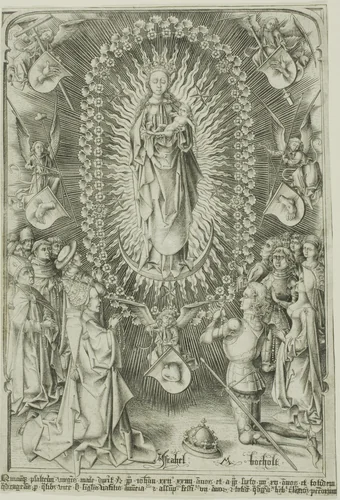
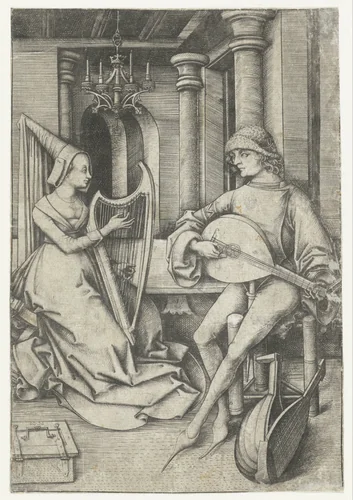
Israhel van Meckenem (c. 1445-1503), the German printmaker and goldsmith, stands as one of the most prolific and commercially astute engravers of the fifteenth century. Operating in the evolving graphic landscape of Northern Europe, perhaps descending from a family of Dutch origin, van Meckenem’s significance rests less on single originality and more on his unparalleled technical skill and sophisticated approach to distribution. He essentially pioneered the concept of the working catalogue for prints, ensuring his imagery, regardless of source, reached an unprecedented audience.
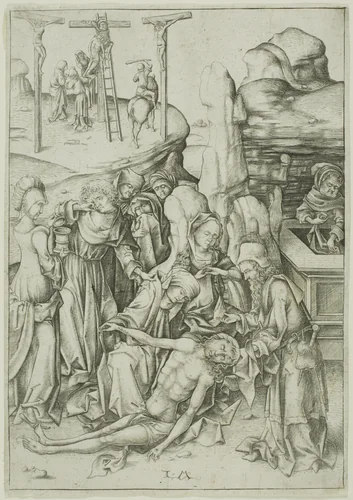
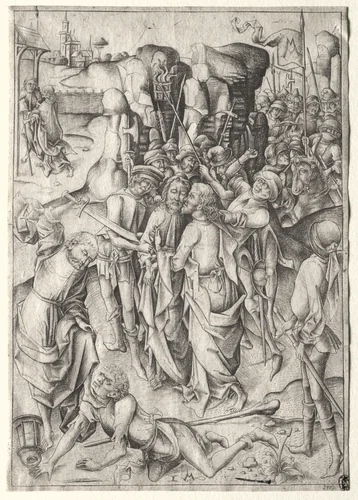
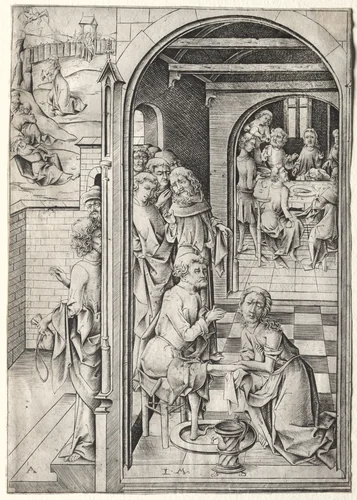
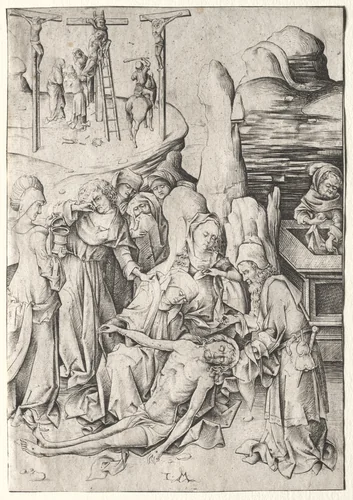
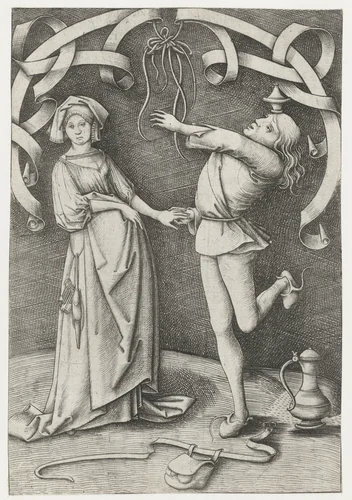
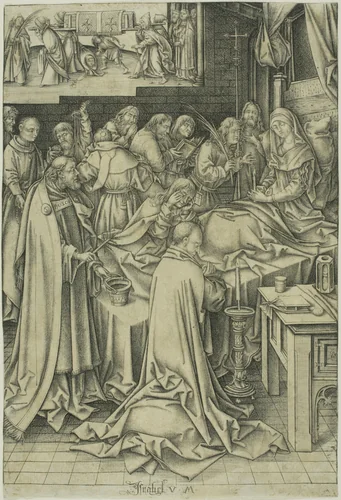
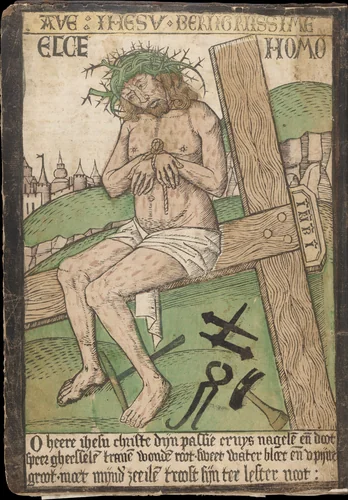
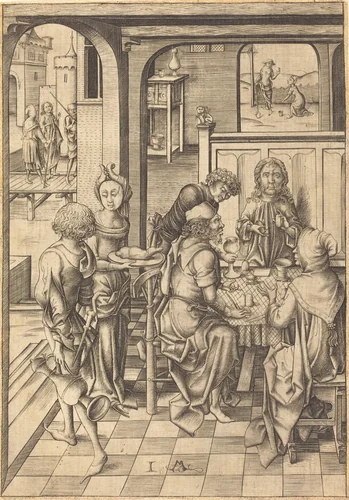
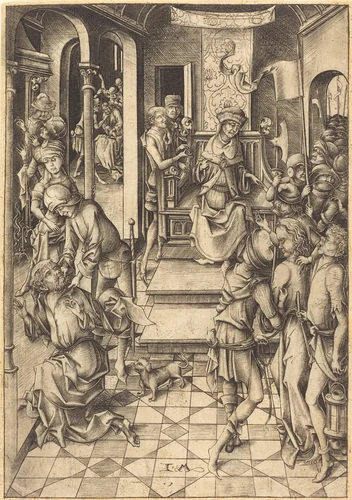
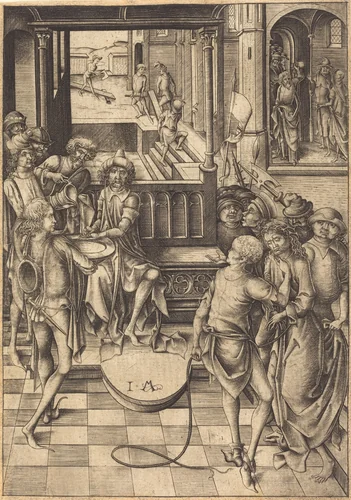
Unlike some of his contemporaries who focused exclusively on sacred narratives, van Meckenem displayed an encompassing interest in both the devotional and the daily. His religious works, such as Christ Crowned with Thorns from The Passion, demonstrate a mastery of line and intense emotional focus characteristic of the era. However, it is his secular subjects that often reveal a subtle, sometimes playful engagement with social mores.
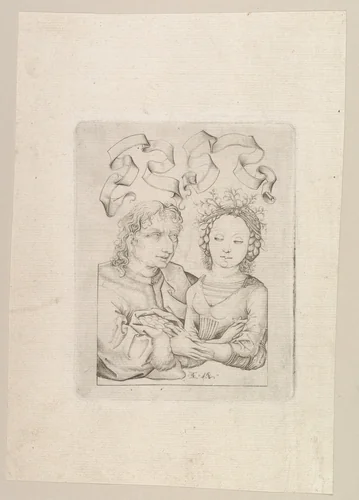
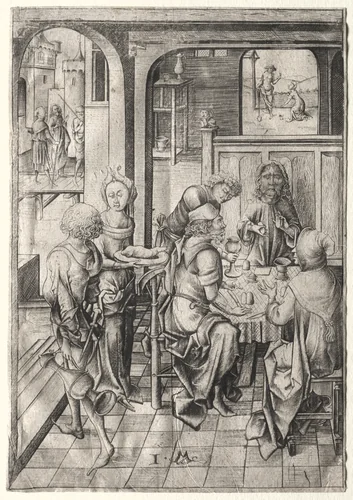
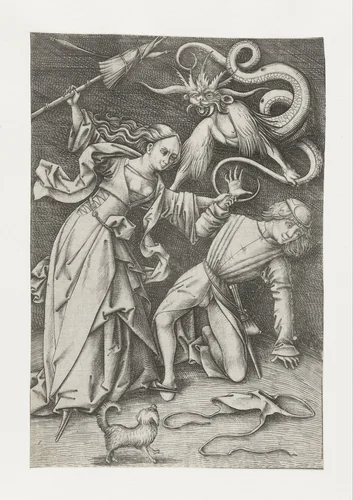
Works like Couple Seated on a Bed, from Scenes of Daily Life provide invaluable documentation of intimate domesticity. Furthermore, the inclusion of fantastic subjects, such as the marvelous reversal found in Hares Roasting the Hunter, suggests a dry wit and an engagement with popular, sometimes satirical, visual culture. Van Meckenem was an innovative adapter, borrowing heavily but expertly from figures like Martin Schongauer. This approach, while sometimes criticized, proved highly effective; he was perhaps the first artist to recognize that the value lay in making fine art readily available rather than simply creating the first iteration.
This vast body of work, comprising approximately 15 prints that survive today, cemented his influence. The meticulous detail visible in sheets like Head of an Elderly Man with a Long Beard and Turban illustrates why Israhel van Meckenem prints remain central to the study of early modern engraving. Today, these historical graphics are readily available, with many original sheets in collections like the Metropolitan Museum of Art, serving as museum-quality resources. Consequently, much of his output falls within the public domain, allowing for free art prints and extensive scholarly access.
Source: Wikipedia · CC BY-SA 4.0