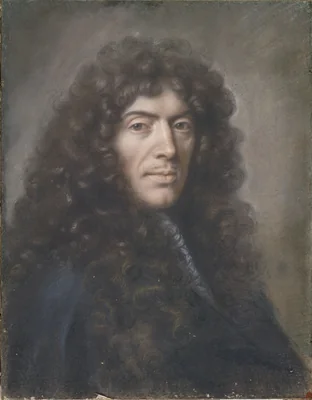
Israël Silvestre
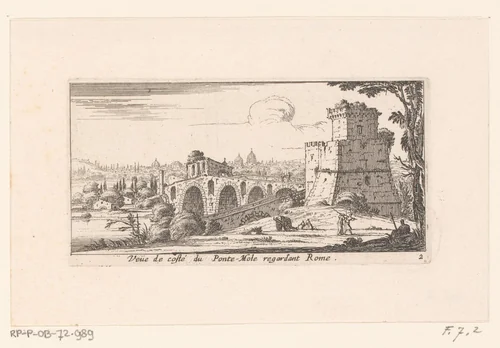
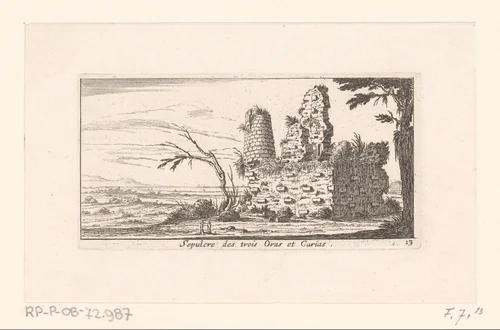
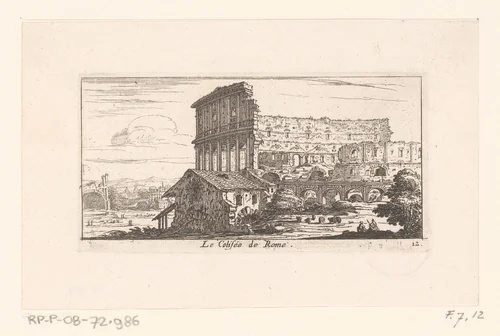
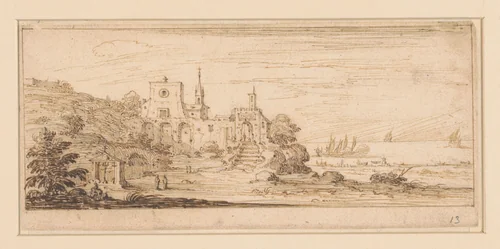
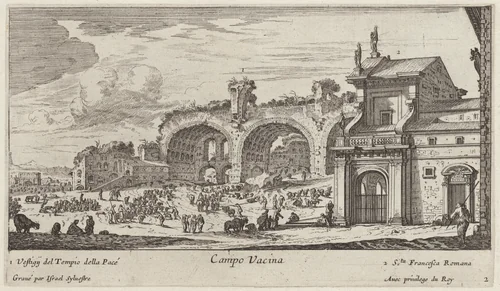
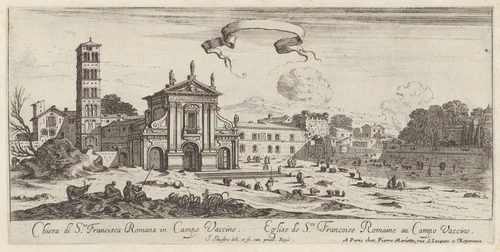
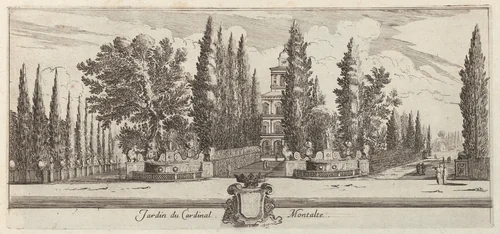
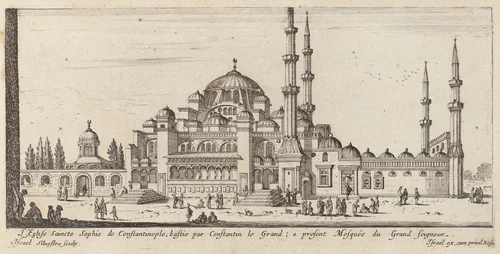
Israël Silvestre, often designated "the Younger" to differentiate him from his father, stands as a central figure in seventeenth-century French topographical art. Functioning sequentially as a highly skilled draftsman, etcher, and ultimately a print dealer, Silvestre established his reputation through detailed, precise perspectives of Europe’s architectural heritage and urban landscapes. His active period, spanning roughly from the early 1620s through the subsequent decade, resulted in an extensive body of work that catered directly to a rapidly growing public demand for accurate visual records of specific places.
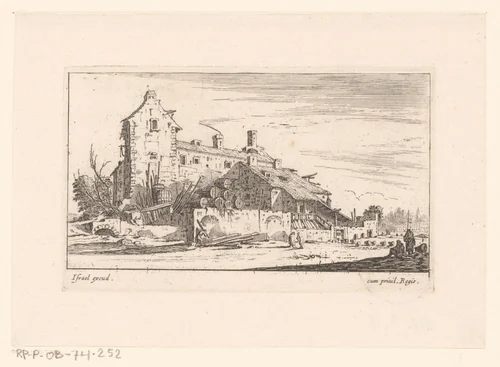
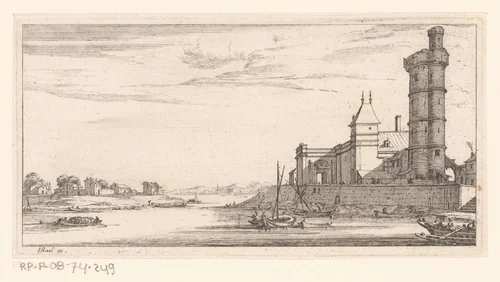
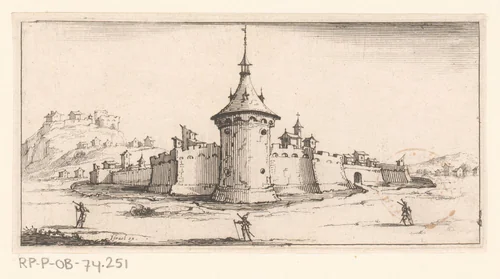
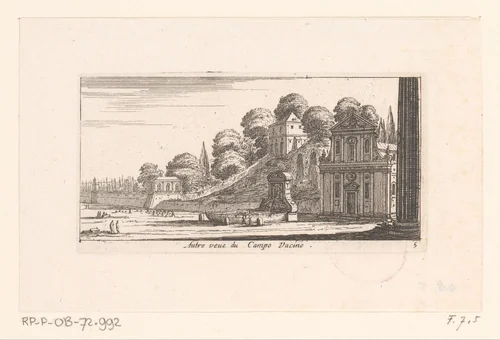
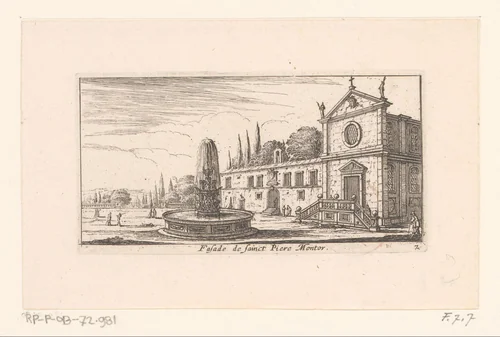
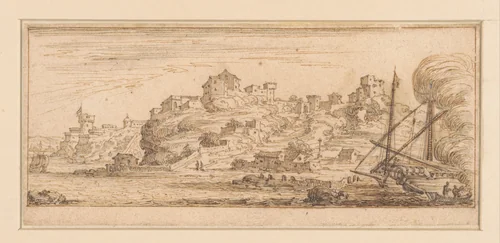
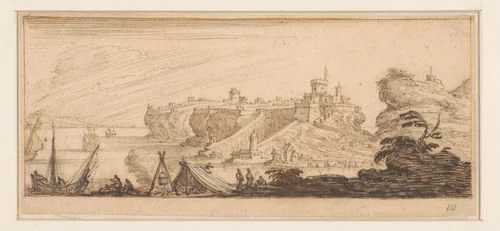
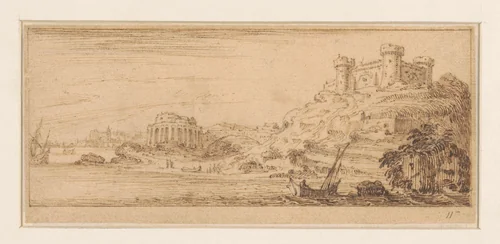
Silvestre specialized almost exclusively in the topographical genre, capturing the scale and architectural context of famous buildings and strategic locations with notable clarity. His technique—grounded in careful drawing followed by precise etching—allowed him to maintain remarkable fidelity to the source material. Whether depicting the natural fortifications seen in works like Roche Taillet sur la Saosne proche Lyon or documenting the military tensions inherent in Castle under Siege, his etchings prioritize spatial accuracy and meticulous detail over painterly embellishment.
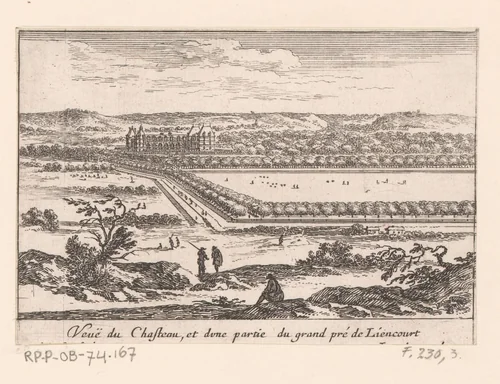
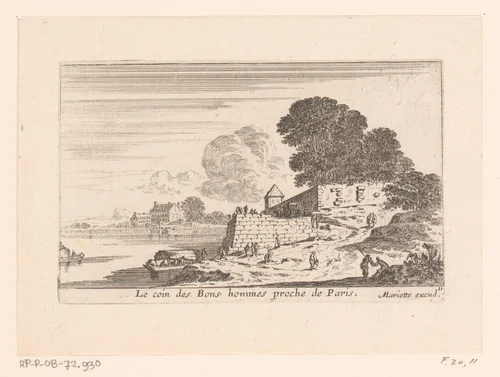
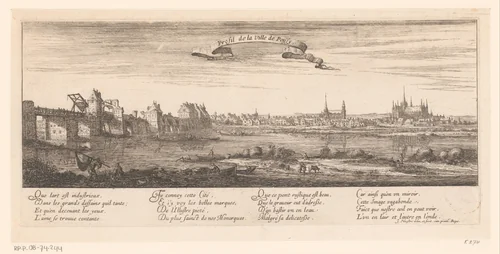
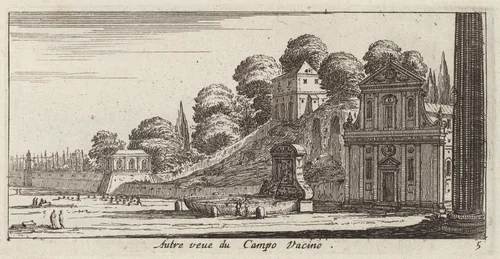
His renderings provide invaluable historical documentation of French life and infrastructure, moving seamlessly between grand civic views, such as Veue de Pont et partie de la Ville de Grenoble, and more localized, intimate scenes like Le coin des Bons hommes proche de Paris. The work La Maijorre de Marseille, for instance, exemplifies his sophisticated handling of complex urban perspectives and light. Interestingly, Silvestre’s commitment to the commercial aspects of distribution, facilitated by his role as a print dealer, often prioritized wide circulation and immediate visual recognition over the pursuit of avant-garde innovation.
Yet, this very commitment to accessible, consistent documentation ensures the ongoing historical relevance of his prints. The sheer volume and quality of his output have cemented his position in major institutional holdings, including the Rijksmuseum and the National Gallery of Art. Today, these historically significant images are readily available; many Israël Silvestre prints are now in the public domain, offering users downloadable artwork suitable for museum-quality presentation. This accessibility ensures that his precise and appealing visual record of the pre-modern era continues to be studied and appreciated globally.
Source: Wikipedia · CC BY-SA 4.0