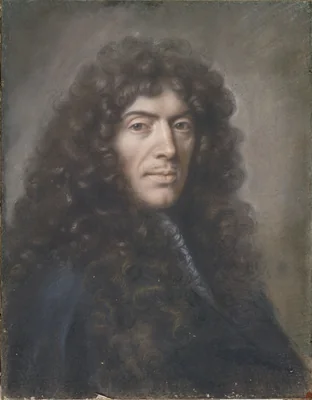
Israel Silvestre
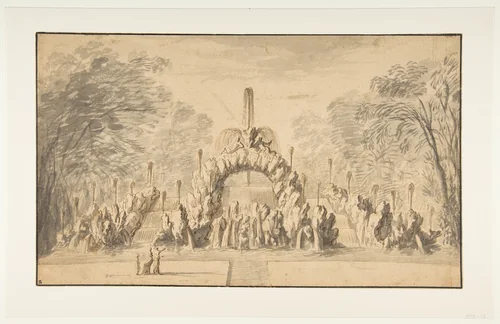
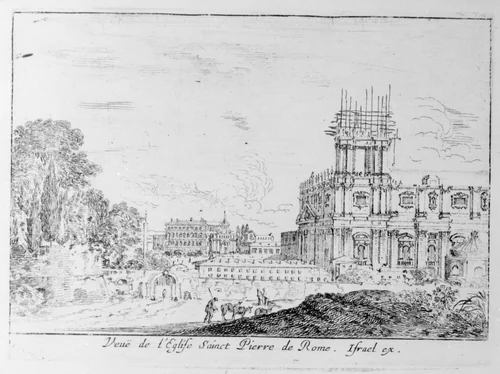
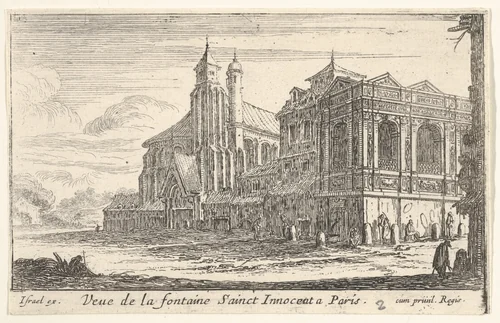
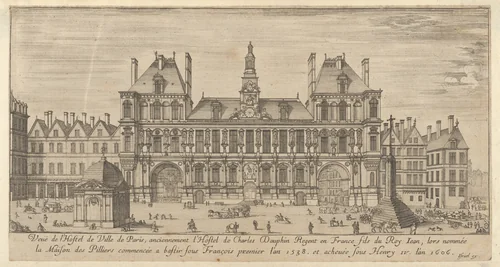
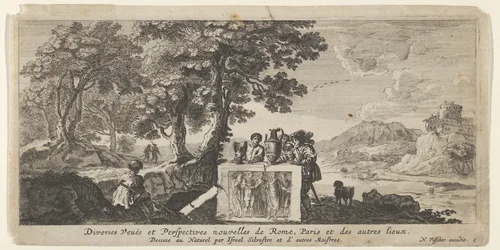
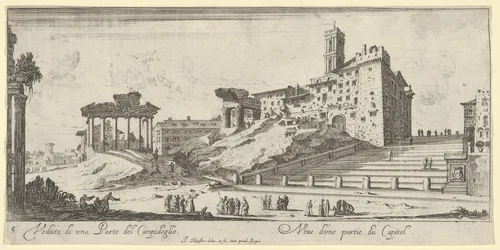
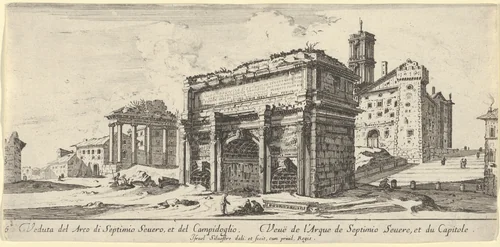
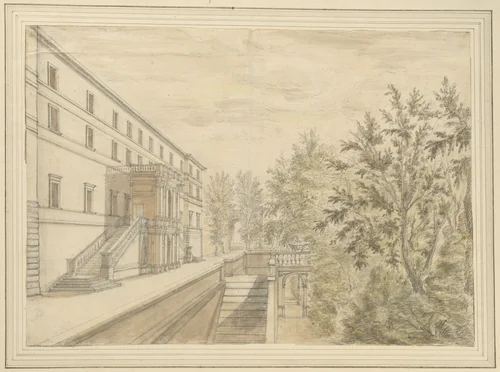
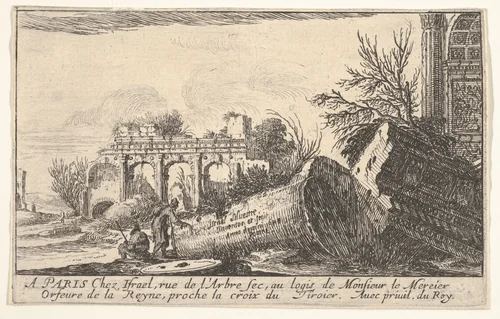
Israel Silvestre, often referred to as "the Younger" to differentiate him from his father of the same name, was among the most significant French draftsmen, etchers, and print dealers of the early to mid-seventeenth century. Active across a pivotal period from 1600 to 1654, Silvestre specialized in the highly practical and sought-after genre of topographical views and precise architectural perspectives of celebrated European structures and cityscapes. His extensive and prolific output provided contemporaries with an indispensable visual record of major sites, capturing everything from intimate park designs, like the detailed study Fountain with a Rock Arch in a Park, to grand public monuments.
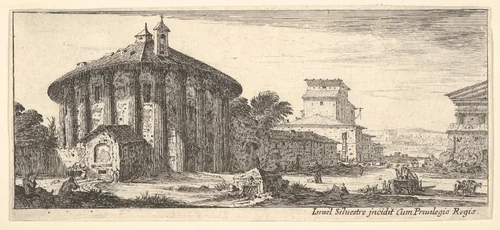
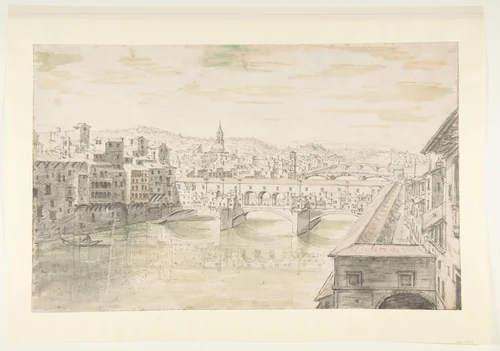
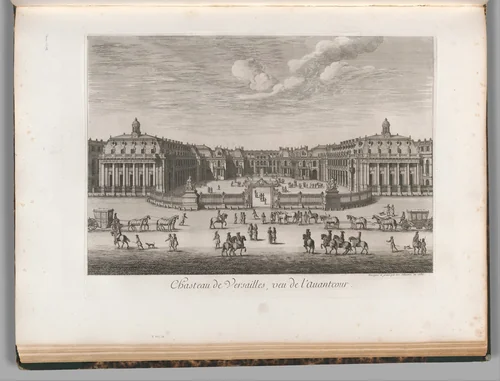
Silvestre’s artistic contribution rests not only on his skill as a draftsman but on his savvy as a successful print dealer. This dual role allowed him to oversee the entire production process, from the initial sketch to the final published plate, thereby ensuring a remarkably consistent and high standard across his vast catalogue. His focus was less on dramatic, painterly effects and more on clarity, accuracy, and utility, making his perspectives essential tools for architects, collectors, and travelers wishing to experience or record the grandeur of the Baroque world. The sheer volume of his published views, including the iconic Roman structure Tempio del Sole (Temple of Cybele in the Piazza della Bocca della Verità) and the dynamic View of the Ponte Vecchio, Florence, suggests that his drawing hand rarely rested; he was arguably the era's chief visual documentarian of urban space.
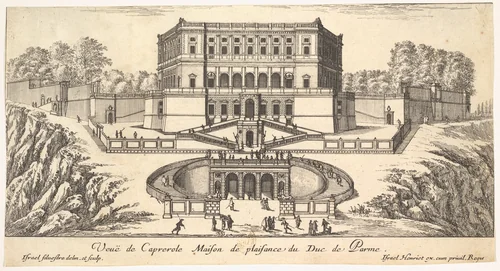
His enduring influence is demonstrated by the geographic range and precision evident in series like "Fifteen Views of Italy and France," which includes meticulous site studies such as the commanding View of Caprarola. Unlike artists who focused exclusively on oil paintings, Silvestre’s commitment to reproducible media ensured that his work reached a broad international audience. Today, these detailed observations remain vital resources for studying seventeenth-century urbanism, housed in major institutions globally, including the Metropolitan Museum of Art and the Art Institute of Chicago. Because much of this prolific oeuvre has since entered the public domain, high-quality prints of Israel Silvestre prints are readily accessible for study and collection worldwide.
Source: Wikipedia · CC BY-SA 4.0