Isoda Koryusai
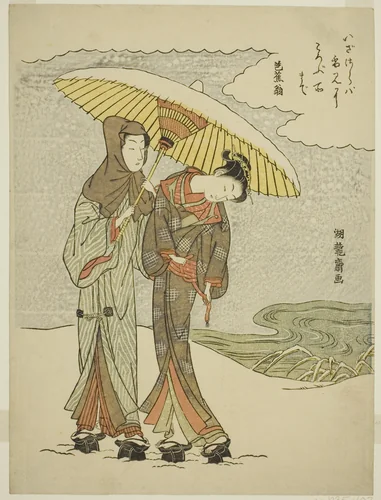
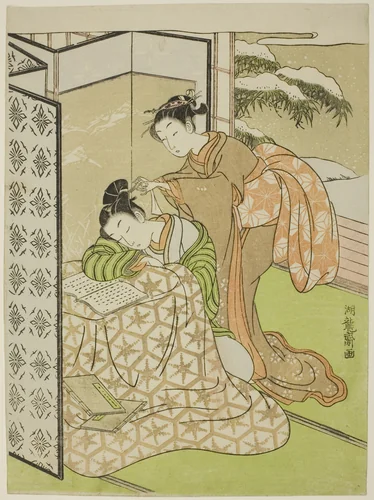
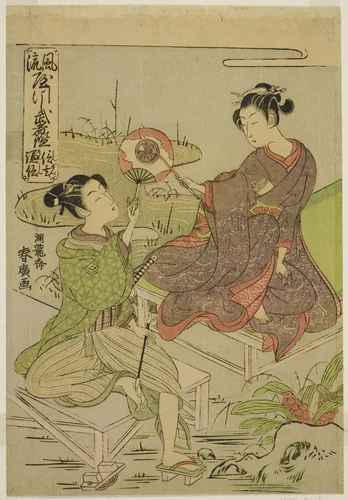
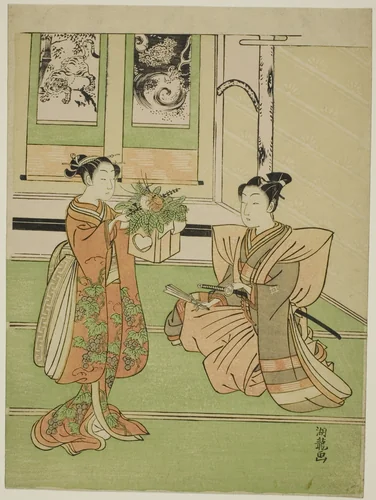
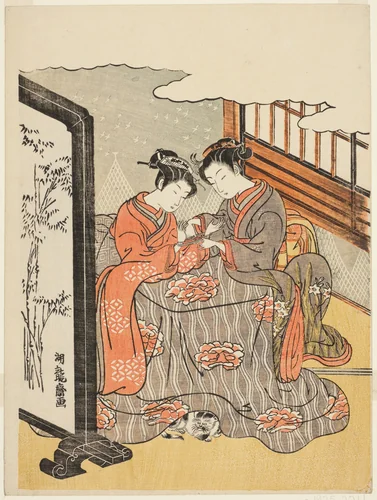
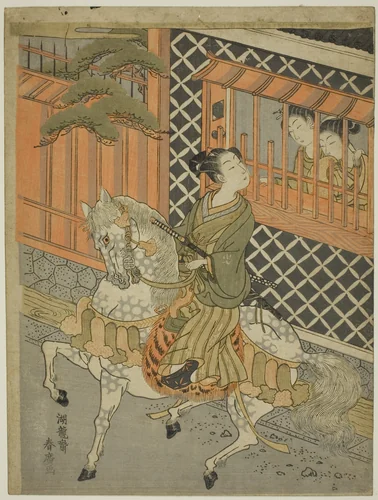
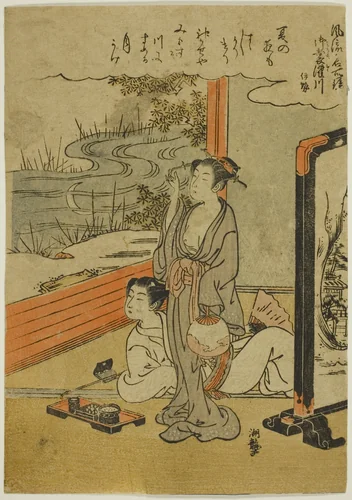
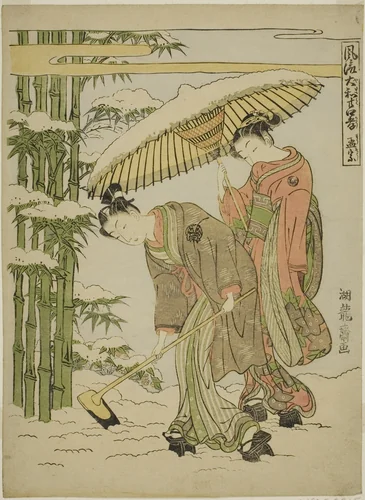
Isoda Koryūsai stands as a significant figure in the mature period of ukiyo-e, the ‘pictures of the floating world.’ Active primarily in Edo (Tokyo) from 1769 to 1790, Koryūsai transitioned the popular woodblock print medium from the delicate, stylized forms favored by earlier masters toward the sophisticated realism that would characterize the movement’s golden age. His prolific output provided a crucial link between the works of Suzuki Harunobu and the towering figures who followed him.
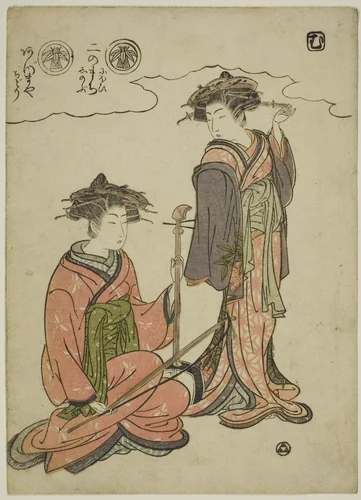
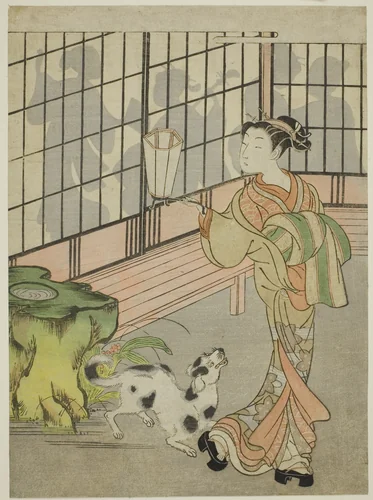
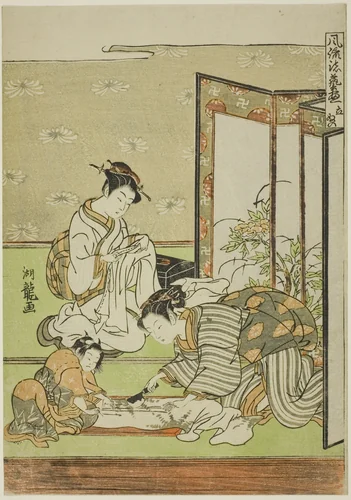
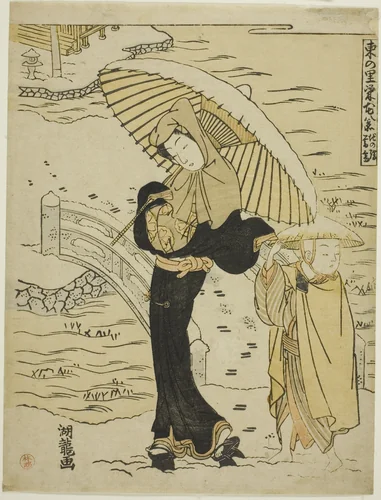
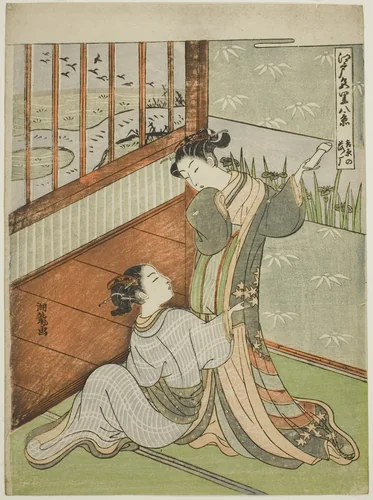
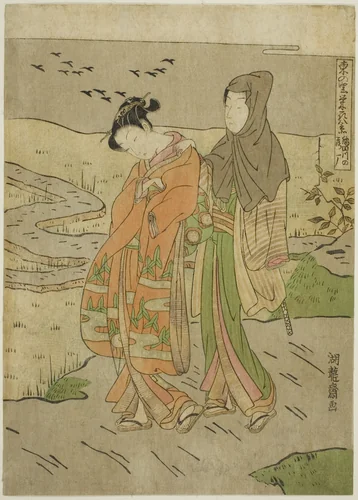
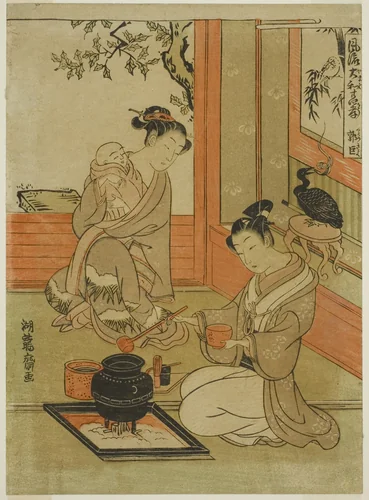
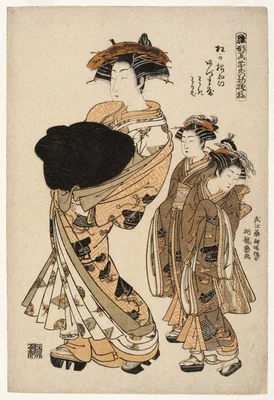
Koryūsai demonstrated mastery across several challenging print formats. He is particularly renowned for his hashira-e, or pillar prints, which utilized an extremely tall and narrow vertical axis. This format demanded exceptional compositional skill to arrange figures dramatically. His subjects frequently focused on the lives of women, producing celebrated bijin-ga (pictures of beautiful women) that capture both the elegance of courtesans and the quiet dignity of domestic existence. Works such as Two Courtesans reveal his talent for depicting luxurious garments and elaborate hairstyles, while prints like Women Washing Clothes at Well provide astute observations of daily life.
One of the more interesting aspects of his biography is the speculation surrounding his origins; unlike many contemporaries, who were established artists by birth, Koryūsai’s early life remains obscure, adding a pleasing layer of scholarly mystery to his considerable success.
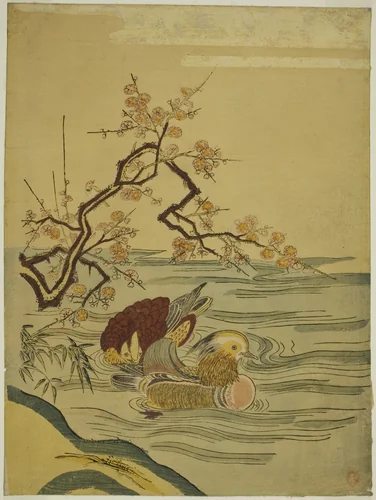
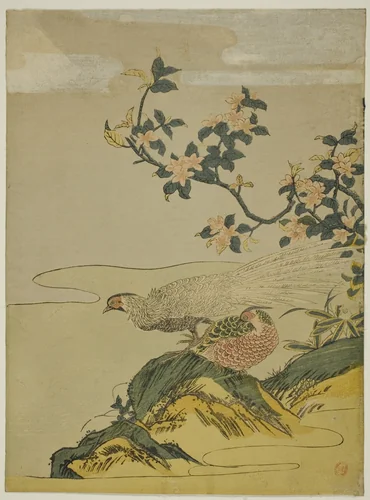
Beyond figures, Koryūsai was equally celebrated for kacho-ga, or bird-and-flower prints, a genre where his technical precision shone. These images, often produced for commissioned private collections rather than mass publication, required a keen understanding of ornithology and botany, resulting in detailed, naturalistic depictions. Examples like Mandarin Ducks Swimming under Plum Branch and Pheasants under Branch of Peach Blossoms showcase his delicate line work and highly refined color applications, placing these works among the finest museum-quality natural studies of the period.
Koryūsai’s prints and paintings are held in prestigious collections globally, reflecting his influence on late eighteenth-century Japanese visual culture. Today, much of Koryūsai’s celebrated oeuvre, including historical narrative prints like Ono no Komachi Praying for Rain, has entered the public domain, ensuring that high-quality prints and imagery are easily accessible for study and appreciation worldwide.
Source: Wikipedia · CC BY-SA 4.0