Isoda Koryūsai
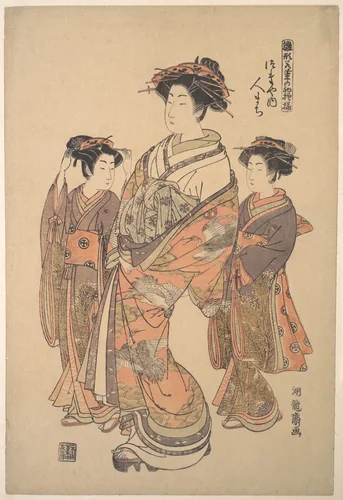
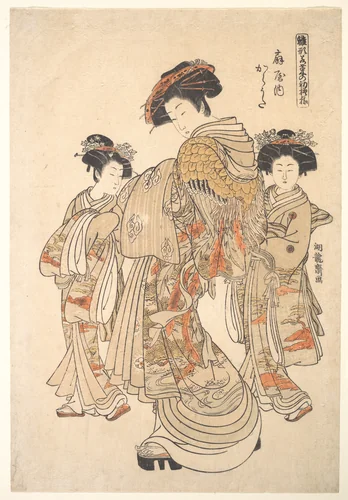
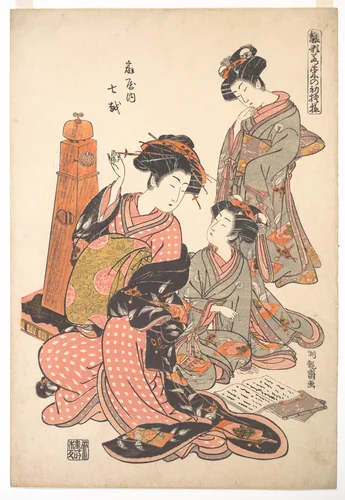
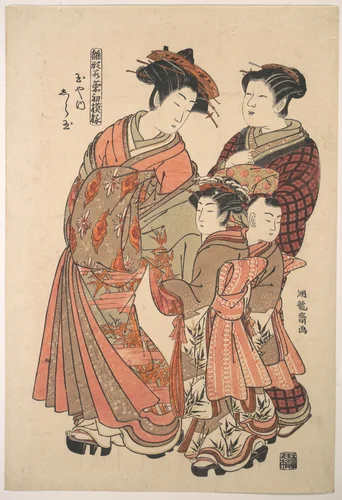
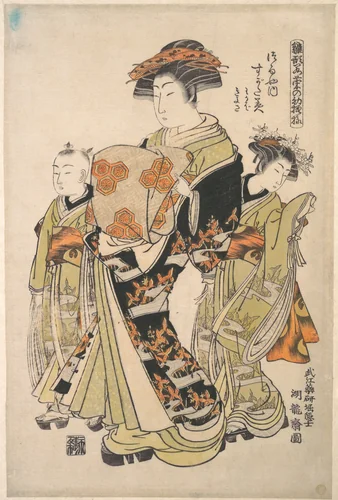
Isoda Koryūsai stands as an important ukiyo-e print designer and painter whose output spanned the height of Edo period printmaking, remaining active primarily from 1769 to 1790. While the precise details of his life before his emergence as an artist remain scarce, his professional activities were centered around the production of sophisticated woodblock prints, positioning him as a contemporary of leading figures like Suzuki Harunobu and Katsukawa Shunshō. Koryūsai was instrumental in documenting the popular culture and daily aesthetics of the era, moving fluently between representations of domesticity and classical poetic themes.
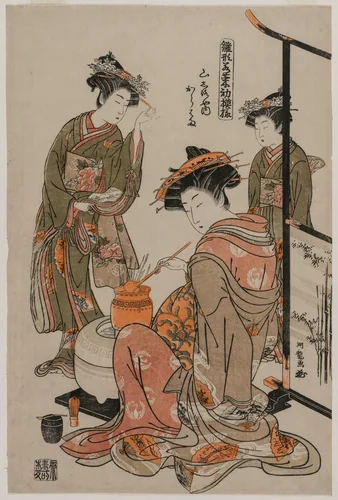
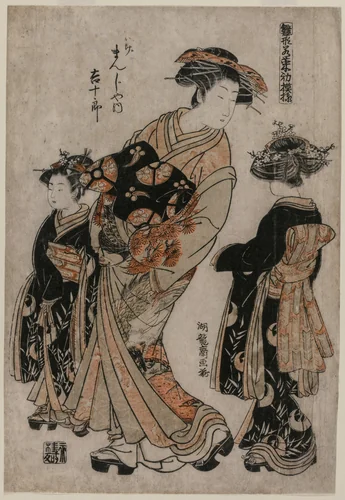
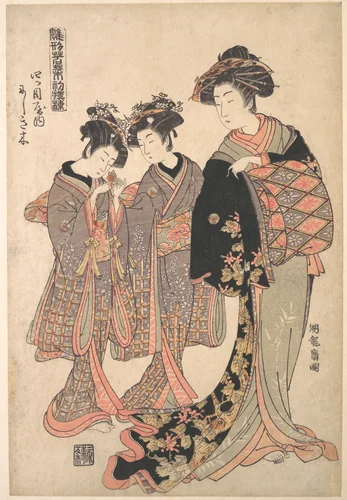
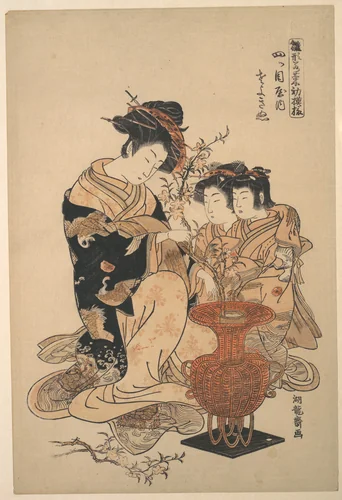
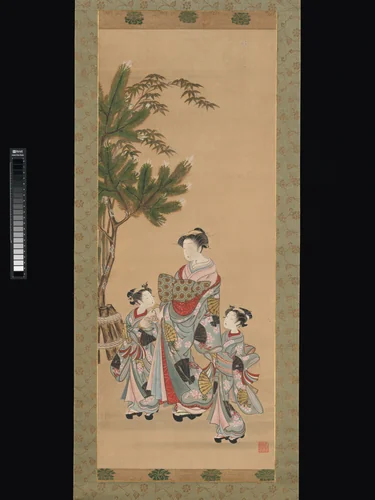
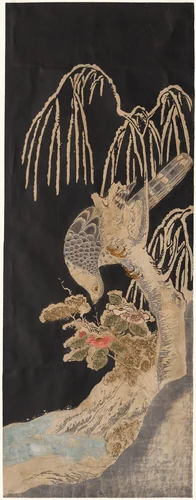
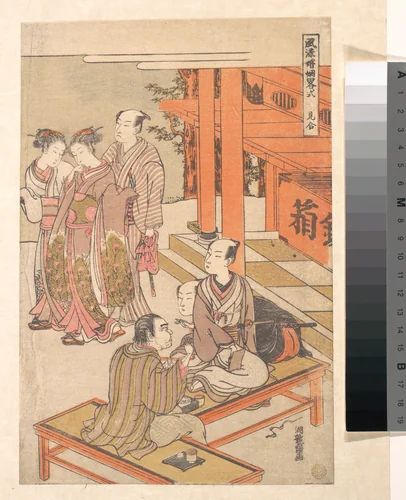
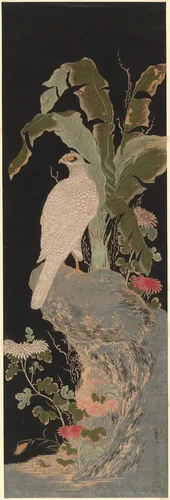
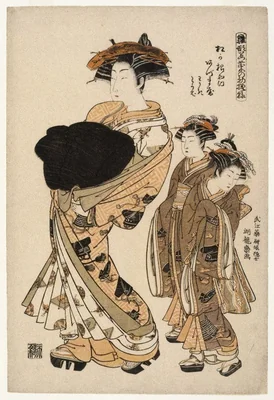
Koryūsai’s portfolio demonstrates a significant mastery of varied genres, encompassing narrative illustrations and nuanced studies of human interaction. His artistic versatility allowed him to produce both intimate genre scenes, such as Mother and Child at Play, and complex nature studies, including A Hawk Perched on a Snow-covered Pine Tree, which showcases his ability to handle natural subjects with striking precision. His engagement with traditional narrative and poetry is evident in iconic pieces like Fuji-mi Saigyo, which references the famous traveling poet, Saigyo Hoshi. These varied outputs ensured that Isoda Koryūsai prints were highly sought after by collectors, reflecting the multifaceted taste of the late eighteenth-century Edo consumer.
While many ukiyo-e artists often specialized narrowly, Koryūsai displayed a notable readiness to shift media and subject matter as demand dictated, producing both full-color nishiki-e and exceptional kakemono paintings. He was one of the few artists who sustained a high level of creative energy throughout his two decades of activity, continually updating his aesthetic approach without sacrificing the clarity of line and composition. Perhaps the most interesting observation is the way his work, seen in pieces like the musical subject Nagauta Kihan, often provided a bridge, linking the transient entertainments of the pleasure quarters with the high art expectations typically reserved for classical Japanese painting. His ability to elevate the ephemeral moment marks his lasting contribution to the medium.
Today, Koryūsai’s artistic legacy is preserved in major institutions globally, including the Metropolitan Museum of Art, which holds notable examples spanning his career from the detailed literary work Plum-Seeing Month: Second Month to complex figural studies. These high-quality prints, including many museum-quality works now held in the public domain, ensure that scholars and enthusiasts can access and analyze the full scope of his output. His contribution to ukiyo-e printmaking remains foundational, offering an unparalleled window into the artistic dynamism of the late 18th century.
Source: Wikipedia · CC BY-SA 4.0