- IRN - UNOCHA.svg)
Islamic
The artistic tradition known as Islamic arose from the Abrahamic monotheistic faith based on the foundational texts of the Quran and the teachings of Muhammad. As the visual culture of a community estimated at two billion adherents worldwide, this creative output represents one of the most geographically expansive and chronologically diverse artistic enterprises in human history. Unified by shared theological principles and dispersed across continents, this artistic output transcends local aesthetic conventions while maintaining a remarkable consistency of core elements.
Though the tradition is vast, key characteristics emphasize pattern, geometry, and calligraphy. The limited use of figural representation, particularly in religious contexts, spurred centuries of profound innovation in abstract and decorative forms. It is often observed that the profound intellectual commitment to pure mathematics manifested in dazzlingly intricate repeating geometric patterns, transforming what could have been rote craftsmanship into a visually kinetic meditation on infinity.
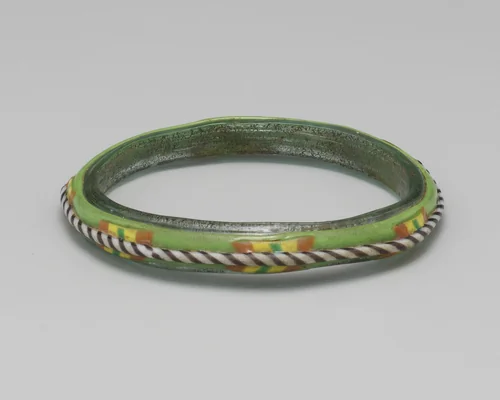
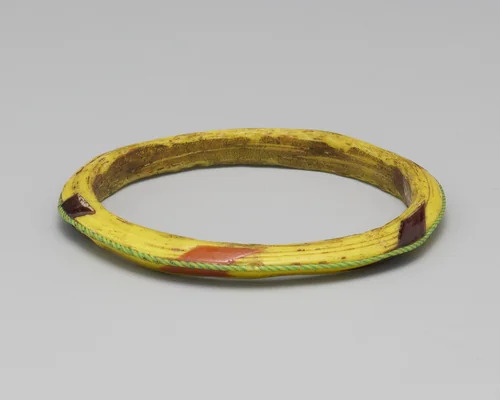
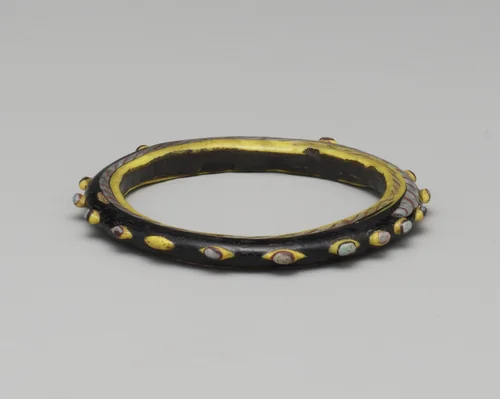
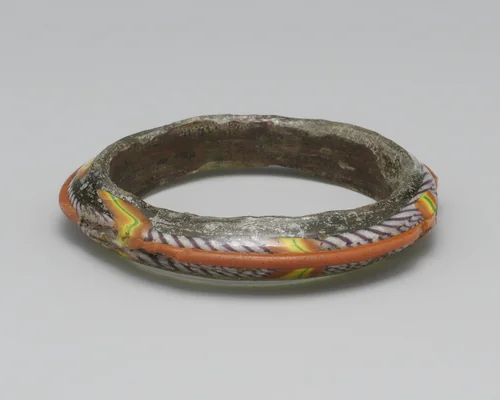
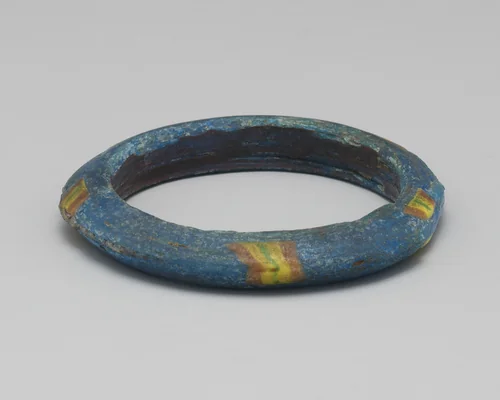
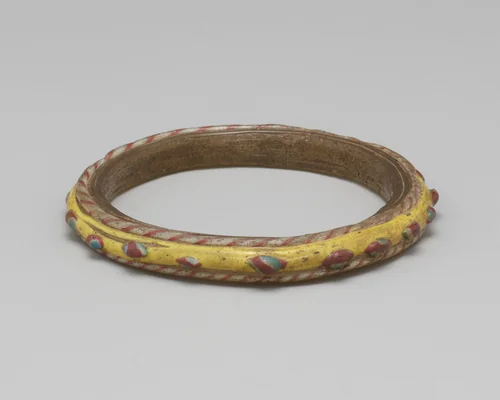
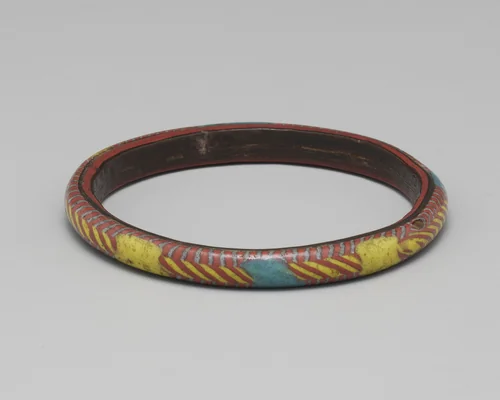
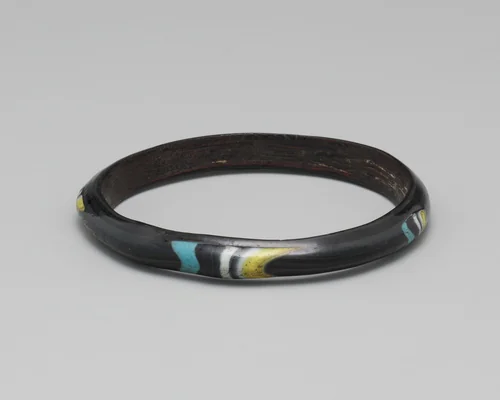
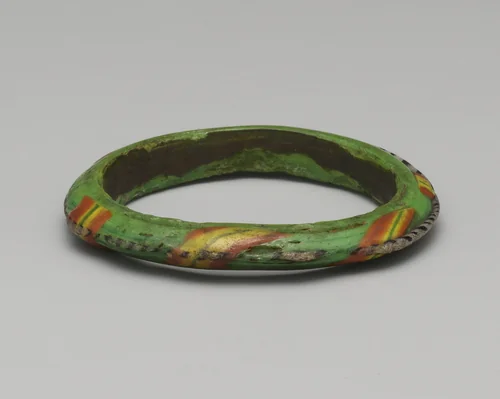
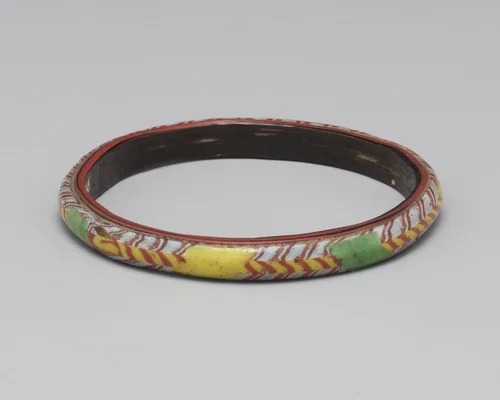
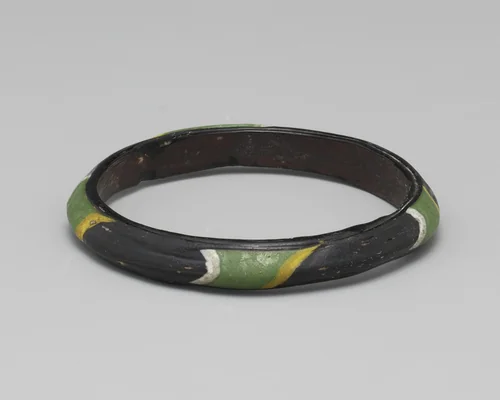
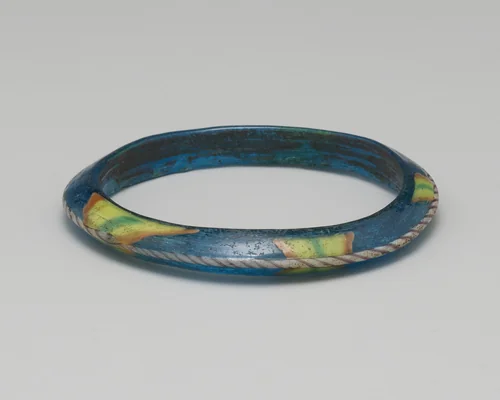
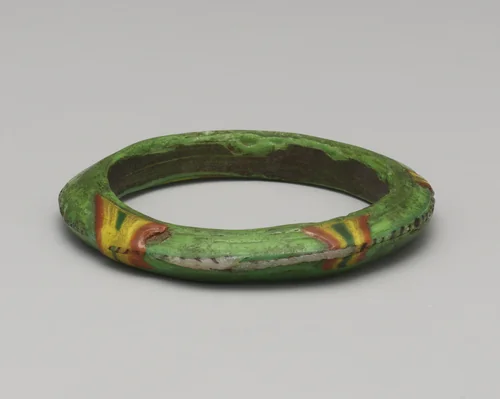
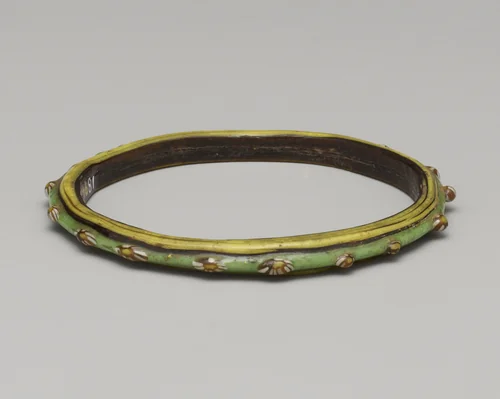
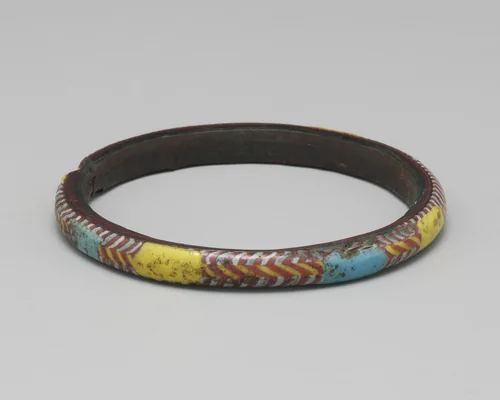
During the fourteenth century, exemplified by the active date of 1301, major centers of artistic production stretched from Andalusia to Central Asia. The period saw mastery in illumination, architectural ceramics, and particularly, the detailed metalwork often housed in prestigious collections today, such as the numerous examples of ceremonial and utilitarian objects including bracelets held by institutions like the Art Institute of Chicago.
Beyond monumental achievements in architecture, the sustained excellence in portable arts, including intricate jewelry, textiles, and vessels, underscores the high societal value placed on material beauty. Contemporary scholarship continues to focus on the transmission of these motifs and techniques across empires. Today, interest remains high in both the original objects and derived media. Historical works of this caliber, including detailed examples of Islamic paintings and decorative objects, are often available for educational purposes as royalty-free downloadable artwork, ensuring their influence persists across modern creative endeavors.
Source: Wikipedia · CC BY-SA 4.0