Isidore Steinberg
Isidore Steinberg’s career, though concentrated in a brief and intensely productive period, stands as an essential chapter in the documentation of American material culture during the Depression era. Working primarily between 1935 and 1936, Steinberg was a critical contributor to the Index of American Design (IAD), a pivotal New Deal initiative administered under the Works Progress Administration (WPA). The IAD was conceived not as an artistic movement, but as a vast, ambitious project intended to create a comprehensive pictorial inventory of American functional and decorative arts dating from the colonial period through the 19th century.
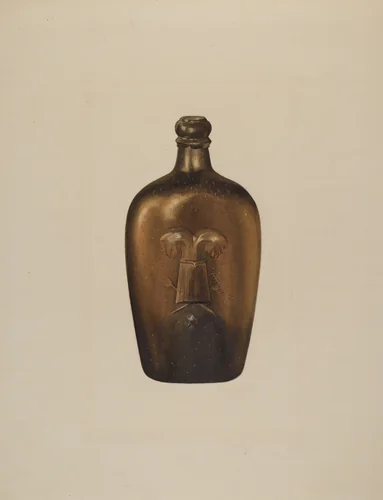
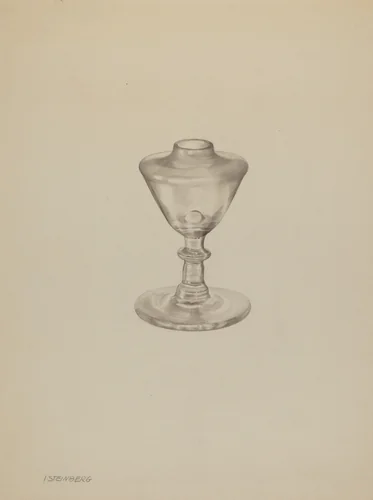
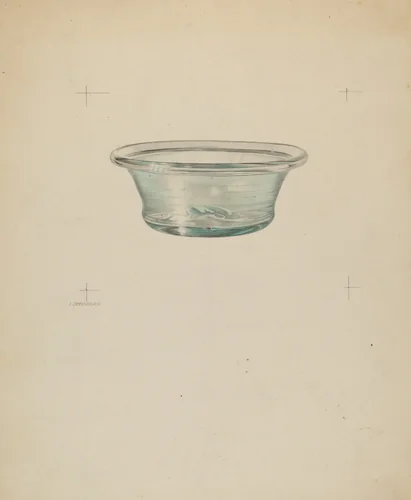
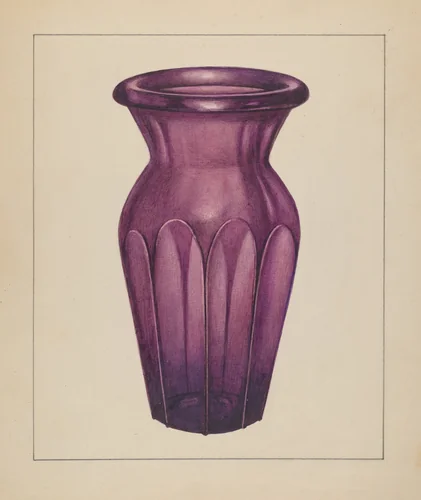
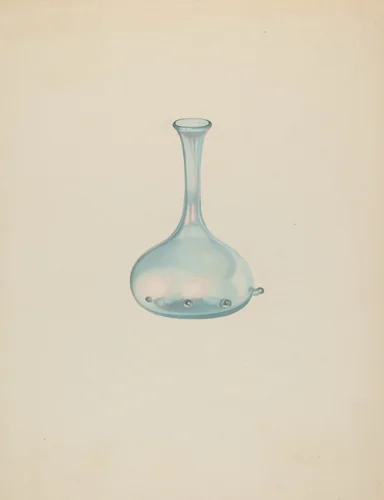
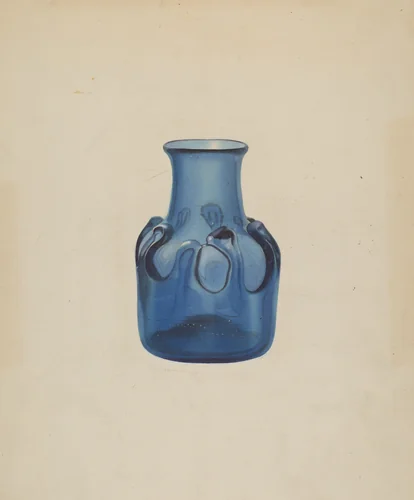
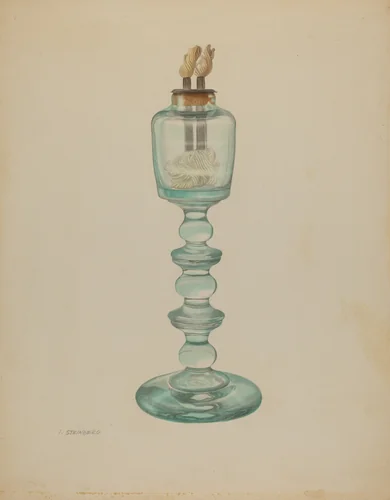
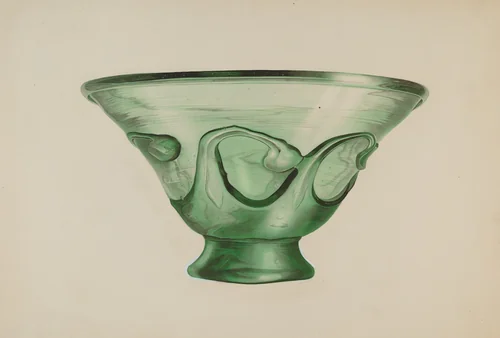
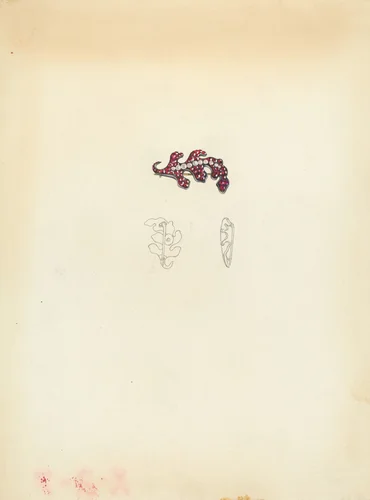
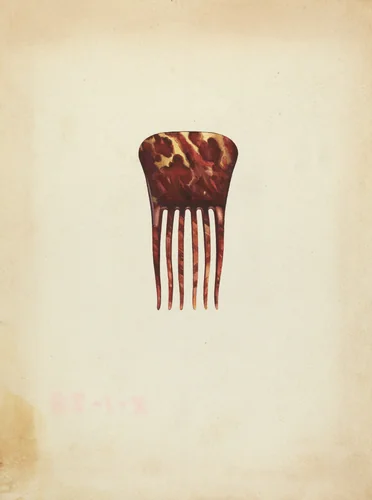
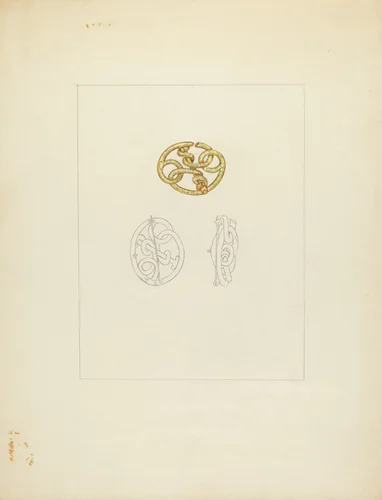
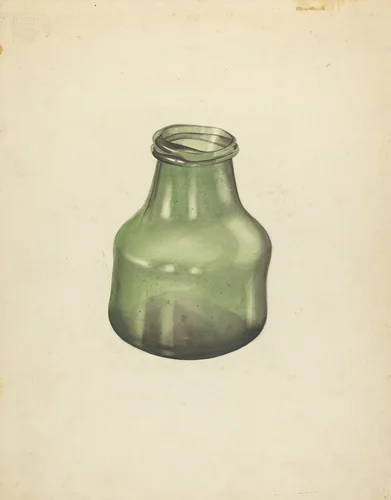
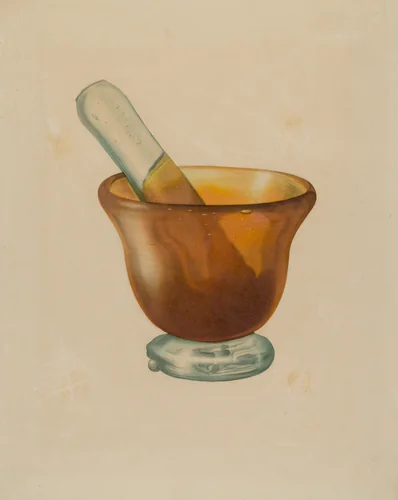
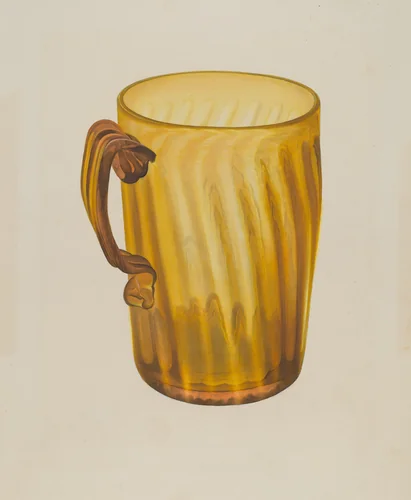
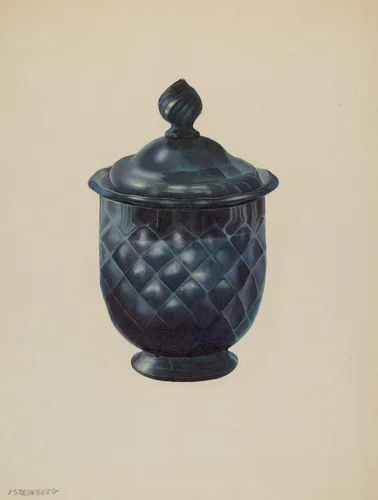
Steinberg’s output for the IAD involved the creation of 15 highly detailed, often watercolor, renderings of utilitarian and folk objects. He specialized in the precise documentation required for objects that often lacked fine art provenance, thereby elevating humble crafts to the status of national treasures. His meticulous approach provided posterity with accurate records of items like the detailed metalwork on the Hanging Lamp, the ceramic contours of the Bowl, and the carved ornamentation of the Cane Head. The goal was to produce documentation of museum-quality, ensuring that the nuances of historic American design were preserved should the physical objects themselves be lost or deteriorate.
It is perhaps the greatest irony of the IAD that the artists employed were tasked with capturing objects of utility, yet their finished renderings today function purely as aesthetic and informational works of art. Steinberg, in essence, was an archivist whose medium was painting.
The historical significance of his work is validated by its inclusion in the permanent holdings of the National Gallery of Art. Today, the Index of American Design, including Steinberg's 15 contributions, is largely in the public domain, ensuring wide access. These detailed renderings, available as high-quality prints, continue to serve as primary sources for historians, designers, and students interested in the richness and diversity of early American craftsmanship.