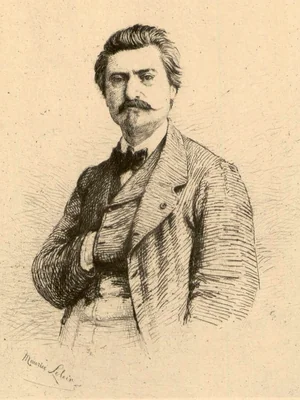
Isidore Pils
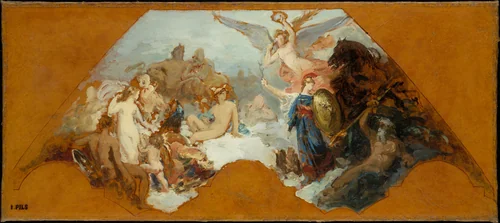
Isidore-Alexandre-Augustin Pils (1815–1875) was a central figure in the French art establishment, achieving critical and public acclaim as a formidable painter of grand religious narratives and definitive military subjects. A rigorous adherent of Academicism, Pils received training under Guillaume Guillon Lethière and won the coveted Prix de Rome in 1838. His subsequent exposure to Italy cemented a profound respect for formal composition and the monumental scale that characterized his mature career in Paris. His success positioned him firmly within the official intellectual framework governing the arts under the Second Empire, ensuring his major commissions were often linked directly to the glorification of national history or official doctrine.
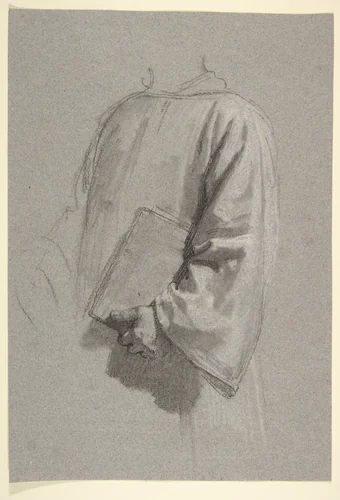
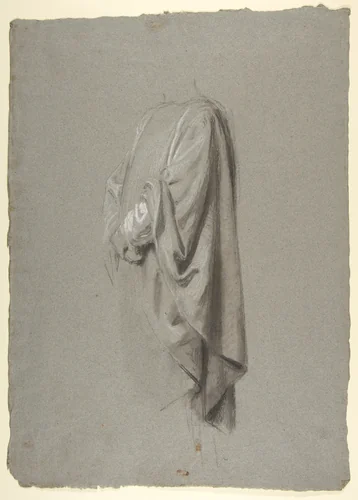
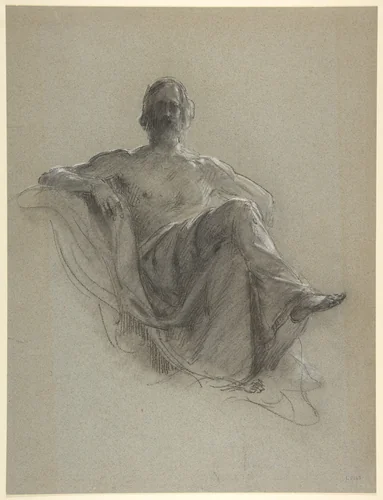
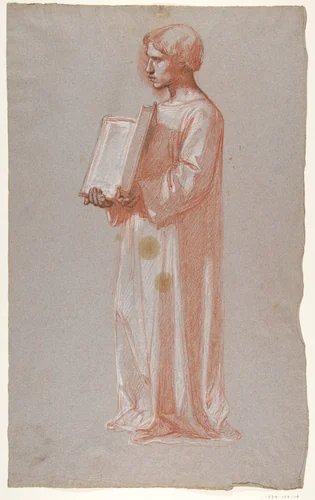
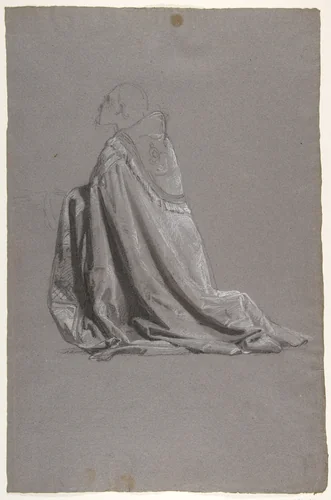
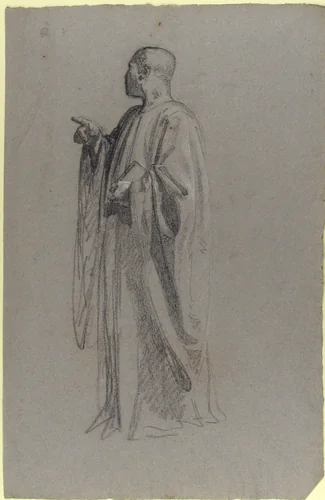
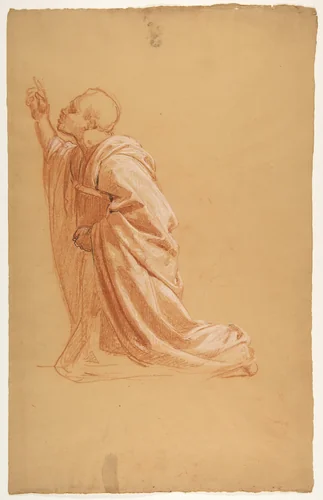
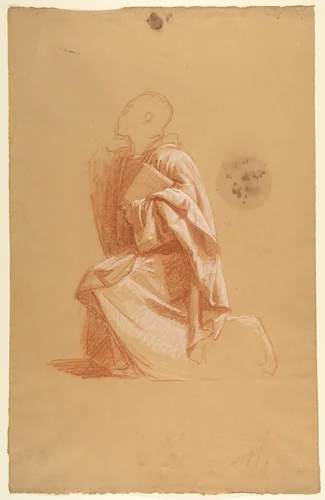
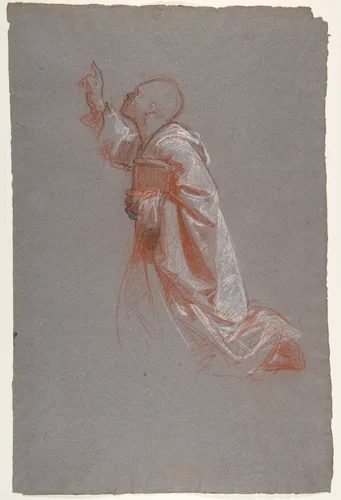
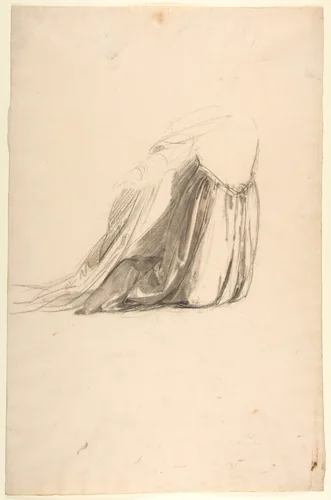
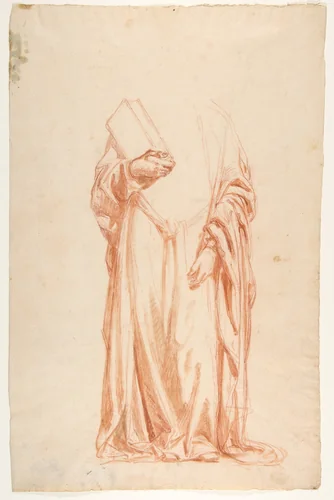
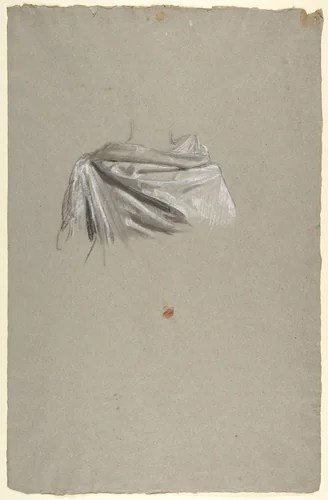
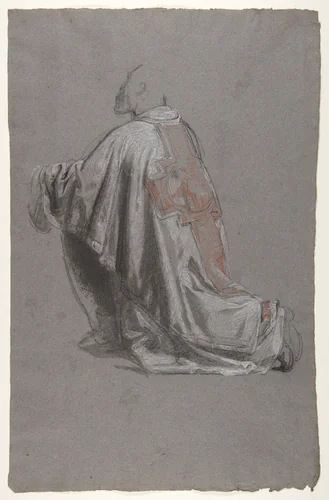
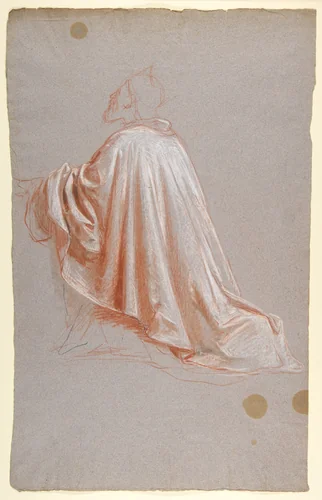
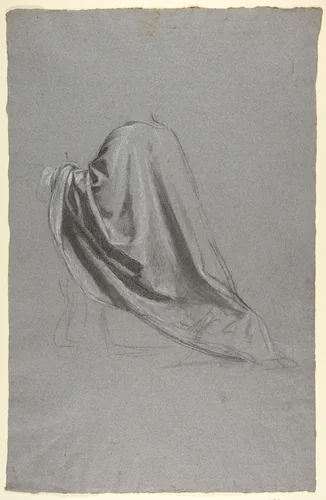
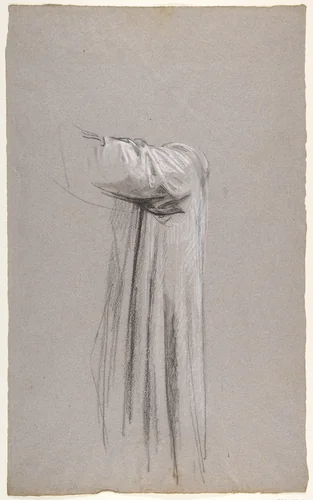
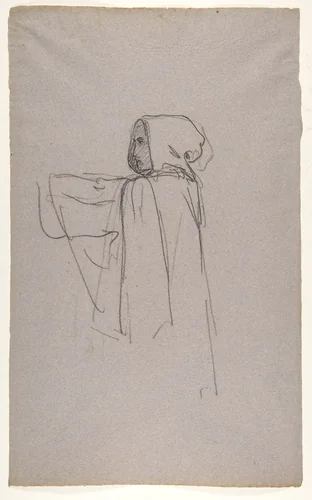
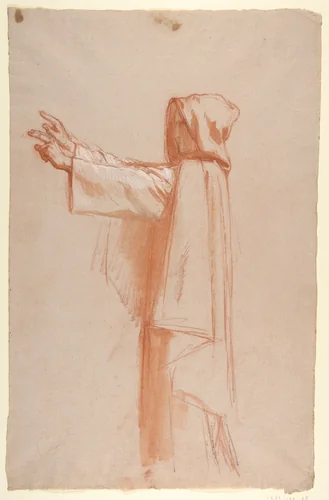
The scope of Pils’s ambition necessitated meticulous preparation. Surviving inventories, such as the fifteen high-quality drawings currently held in institutions like the Metropolitan Museum of Art and the Art Institute of Chicago, reveal the analytical rigor underpinning his finished compositions. These works frequently serve as exacting studies for drapery and pose, demonstrating the demanding technical standard expected of the atelier system. For instance, the sequence of Drapery Studies completed for the wall paintings in the Chapel of Saint Remi, Sainte-Clotilde, Paris, around 1858, isolate essential elements of figures like Saint Remi and Clovis. This extreme focus on individual folds, gesture, and light reflection shows an artist determined to master the material presence of historical figures before committing them to mural scale.
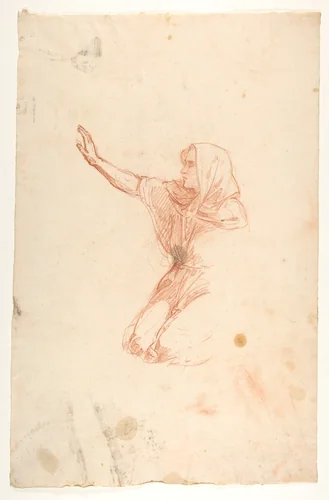
Pils’s preparatory sheets often reveal a fascinating duality, illustrating the breadth of demands placed on the 19th-century master. Studies related to monumental, religious figures are occasionally juxtaposed with more intimate, classically inspired sketches, such as the Sheet of Sketches for a Monument to Dante (recto) and the lyrical Cupid and Psyche (verso). This constant movement between historical gravitas and classical allegory confirmed his enduring appeal to official patrons. Today, while his largest Isidore Pils paintings remain fixed in their architectural settings, much of his original design work and technical mastery is available for close study. Thanks to institutional efforts, many of these museum-quality preparatory drawings are now included as royalty-free, downloadable artwork, ensuring the precise technique of this distinguished academician remains accessible in the public domain.
Source: Wikipedia · CC BY-SA 4.0