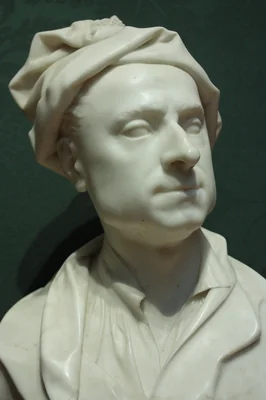
Isaac Ware
Isaac Ware (1704–1766) was a pivotal English architect and draftsman whose career spanned the height of the mid-eighteenth-century Palladian revival. Although widely recognized today for his foundational translation of Andrea Palladio’s work, Ware served as an essential designer for Britain’s political elite, most notably Sir Robert Walpole.
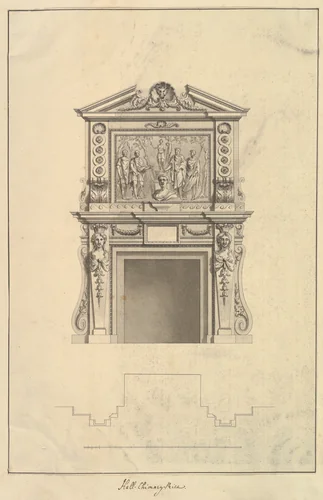
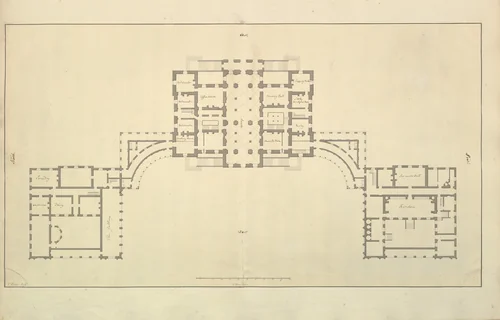
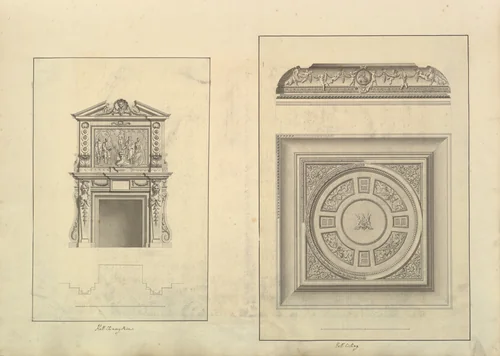
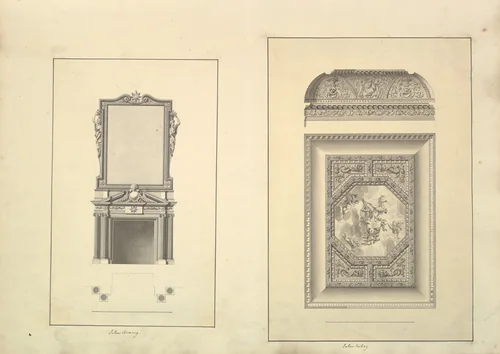
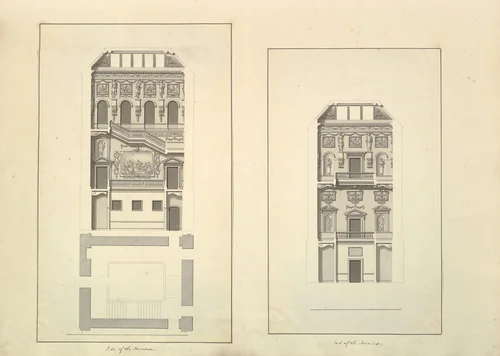
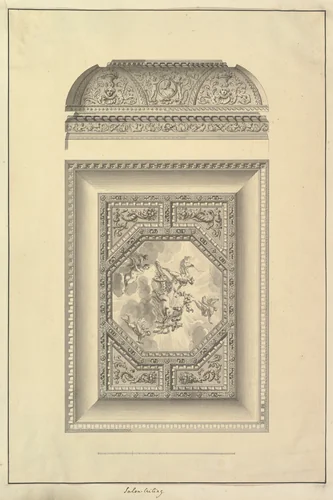
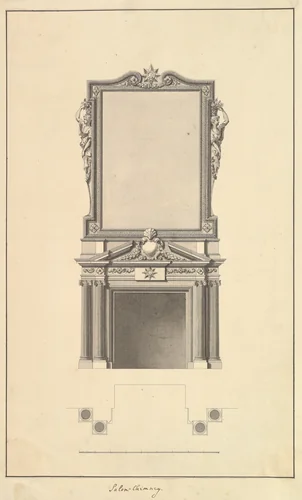
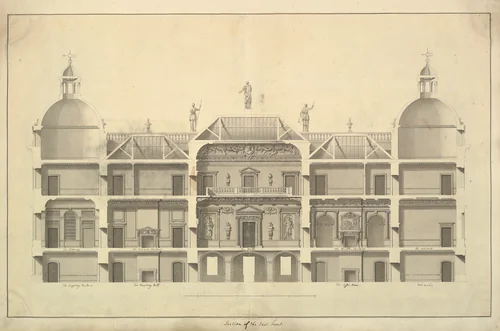
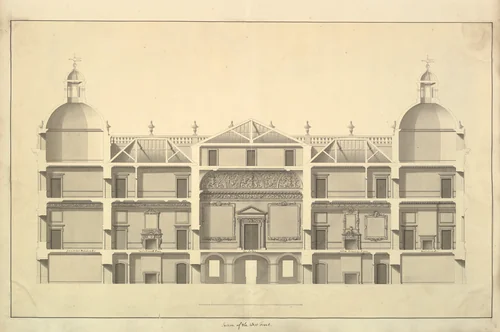
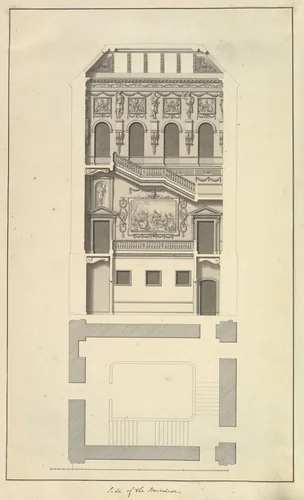
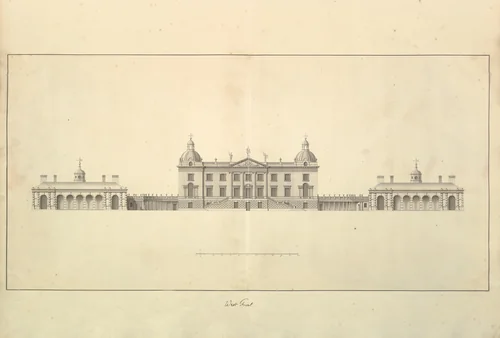
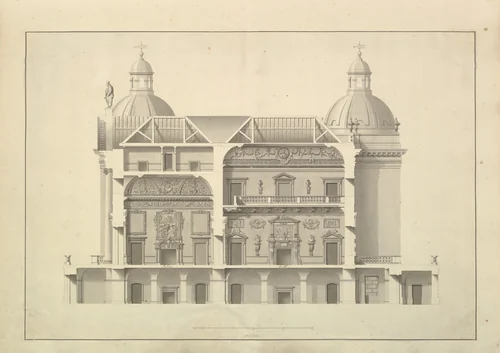
Ware’s significance as a draftsman is captured in the fifteen known high-quality drawings dating between 1727 and 1735. These works, now preserved in collections such as the Metropolitan Museum of Art, serve not merely as preparatory sketches but as precise museum-quality documents detailing the functional elegance of Georgian administration and domestic life.
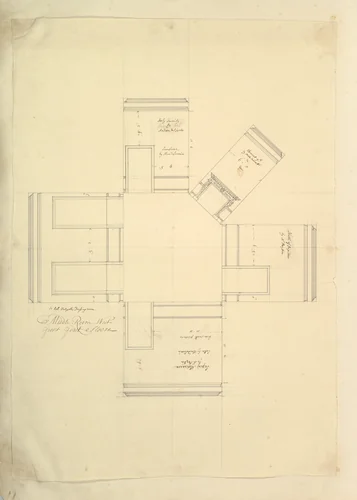
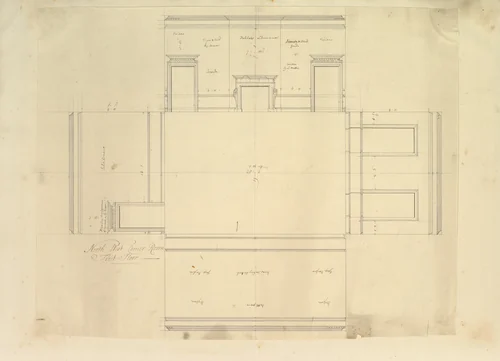
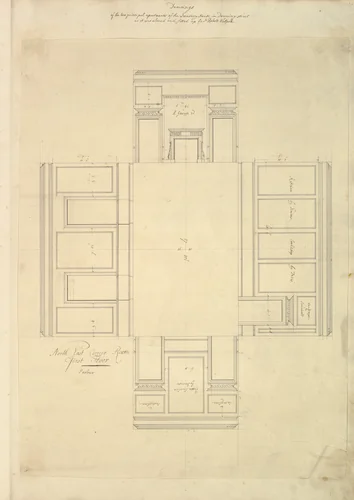
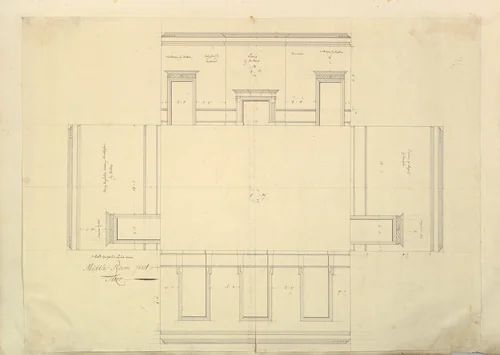
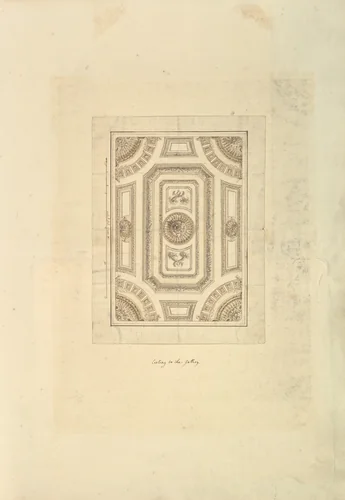
A substantial portion of his documented output focuses on the detailed configurations of the Treasury House at 10 Downing Street, the administrative center commissioned by Walpole. These plans provide a meticulous map of the building’s usage and architectural geometry, capturing everything from grand communal spaces to private retreats. Examples include the exact spatial relationship defined in the Plan of the Great Middle Room (Sir Robert Walpole's Levee Room, Northwest Corner, First Floor) and the intimate dimensions recorded in the Plan of Sir Robert Walpole's Dressing Room (Middle Room, West Front, First Floor). Beyond official residences, Ware contributed to grand estates, producing designs such as the Ceiling to the Gallery, Houghton Hall, Norfolk.
While his architectural practice flourished, Ware's enduring influence was cemented through his publications. His rigorous translation of Palladio ensured the principles of classical balance and proportion remained the dominant aesthetic paradigm for successive generations of British builders and patrons. It is a subtle irony that the architect who defined the operational aesthetics of the modern British state has a legacy preserved perhaps more thoroughly through the circulation of his documentary architectural records. Today, much of his visual output, including highly detailed Isaac Ware prints, resides within the public domain, ensuring these historically significant designs remain accessible for scholarly study.
Source: Wikipedia · CC BY-SA 4.0