Isaac van Ostade
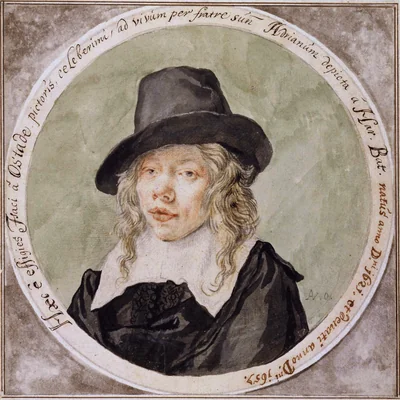
Isaac van Ostade (1621-1649) stands as a significant, though tragically short-lived, figure in the evolution of Dutch Golden Age genre and landscape painting. Active primarily from 1630 until his death, his output demonstrated a rapid stylistic evolution, moving from interior peasant scenes, heavily influenced by his older and more famous brother Adriaen, toward increasingly independent and atmospheric outdoor compositions.
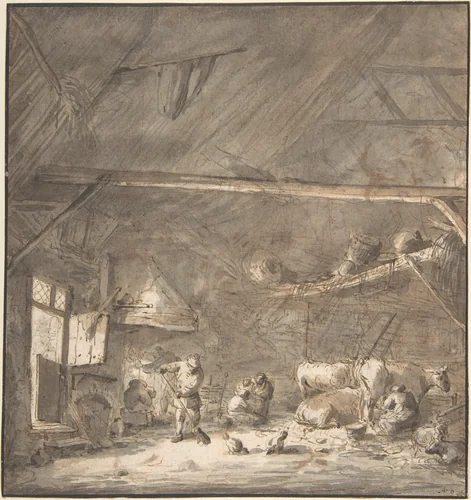
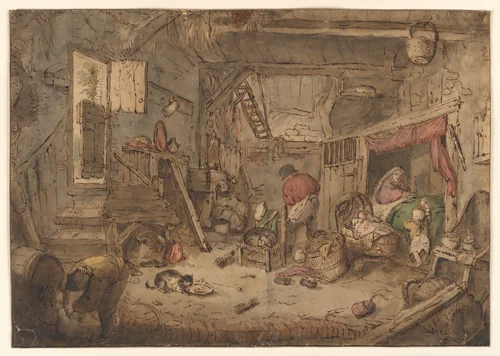
Early works established him firmly within the genre tradition, focusing on the meticulous observation of daily rural life. Pieces such as Barn Interior with Peasants and Cows and Peasant Family in a Barn showcase a mastery of interior light, rendered in the warm, muted tones characteristic of 17th-century Dutch domesticity. These scenes, often populated by figures engaged in labor or simple rest, laid the groundwork for his subsequent focus on larger environmental narrative.
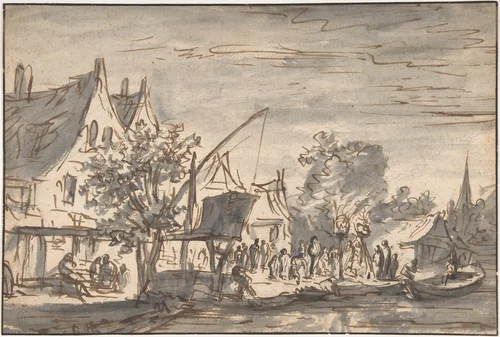
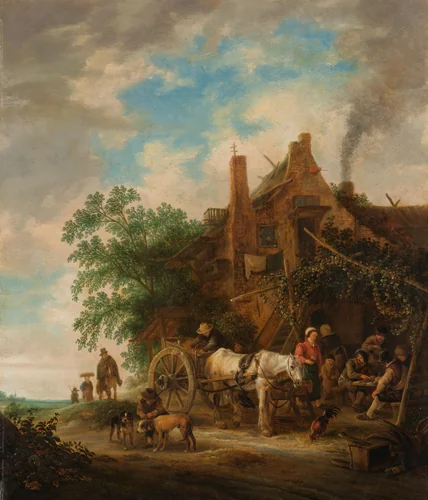
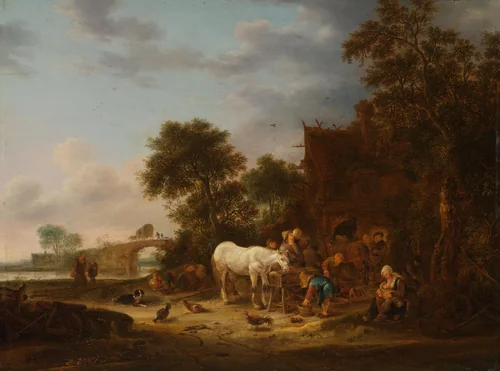
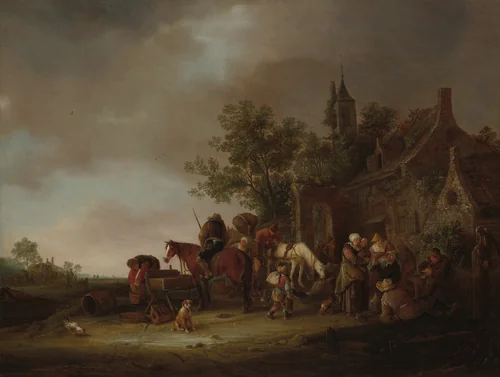
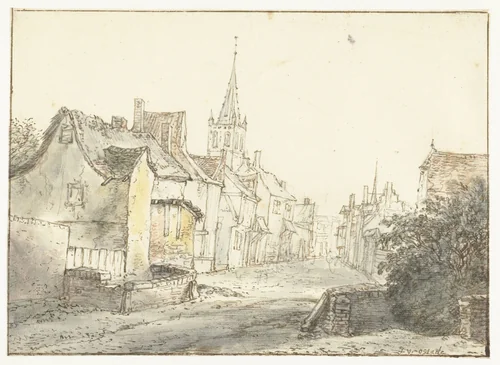
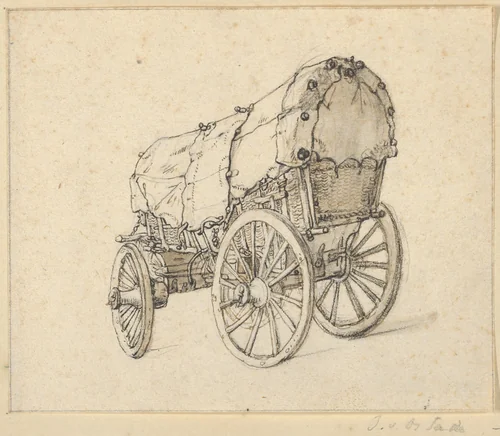
Isaac van Ostade quickly found his unique footing in village scenes and travelers’ landscapes, specializing in the depiction of bustling inns, frozen rivers, and the fleeting effects of natural light. His transition to landscape marked a notable shift toward a looser, more expressive style, concentrating on the interaction between human activity and the vastness of the Dutch plain. Works like Country inn with horse and wagon reveal his skill in anchoring complex narratives within the setting of the road. His most remarkable innovation, however, can be found in his nocturnes. The dramatic Distribution of the Catch by Night captures the subtle glow of oil lamps and moonlight reflecting off water, demonstrating a sensitivity to atmosphere that anticipated later generations of landscape artists.
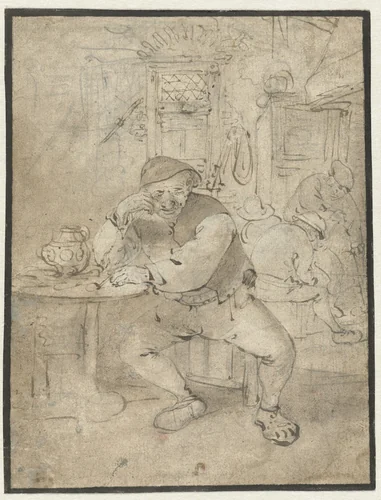
It is an interesting observation that, despite the brevity of his documented career, Isaac’s legacy grew steadily throughout the eighteenth century, affirming his reputation as a formidable landscape innovator separate from his sibling’s influence. Today, a small corpus of authenticated Isaac van Ostade paintings and drawings, including seven known drawings and three paintings, remains held securely in premier global collections. The Rijksmuseum, the Metropolitan Museum of Art, and the Art Institute of Chicago all maintain museum-quality examples of his work. While the originals are scattered, collectors can access high-quality prints and downloadable artwork of key studies, ensuring that his keen visual record of seventeenth-century Dutch life remains accessible long after his untimely passing.
Source: Wikipedia · CC BY-SA 4.0