Isaac Robert Cruikshank
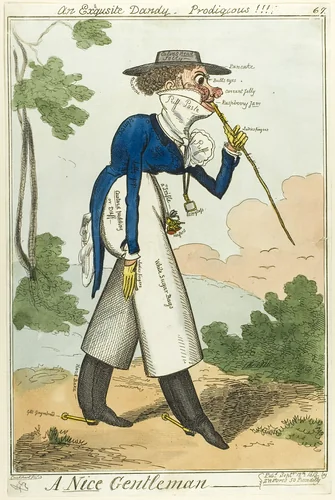
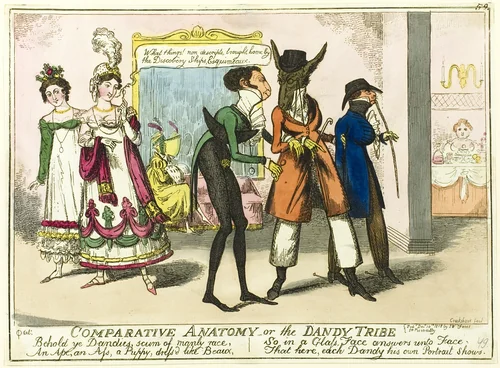
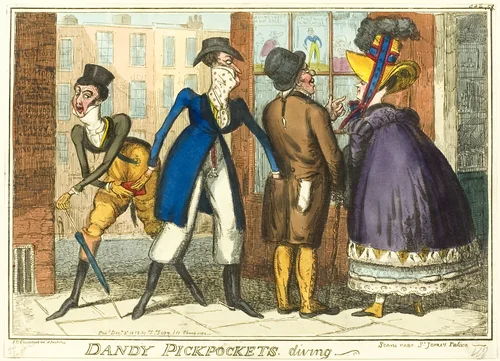
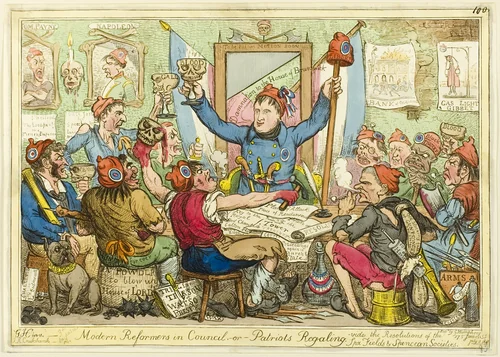
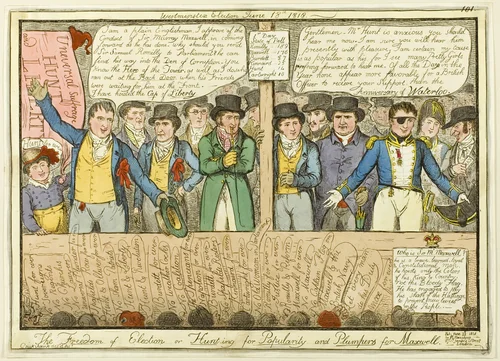
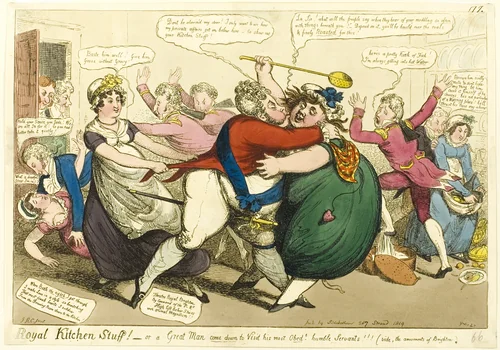
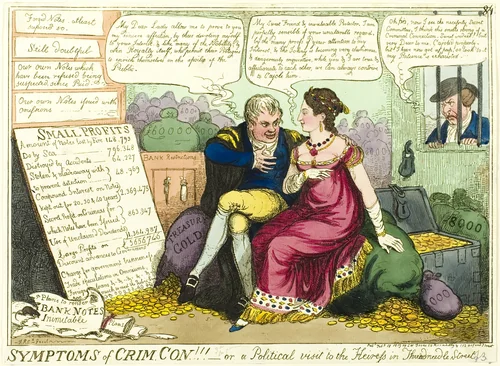
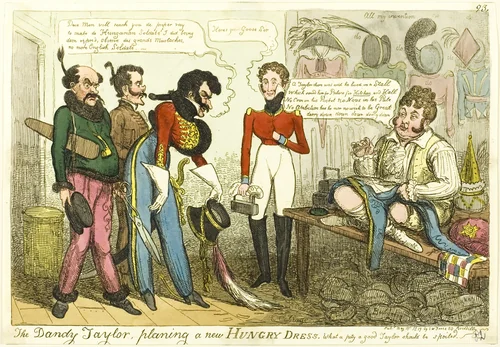
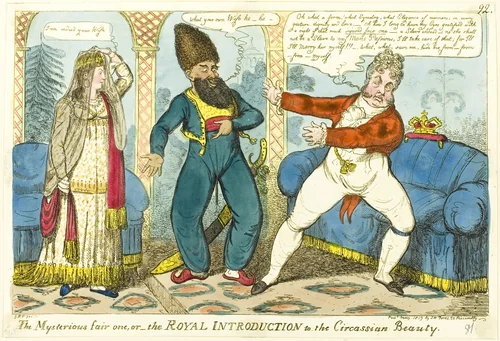
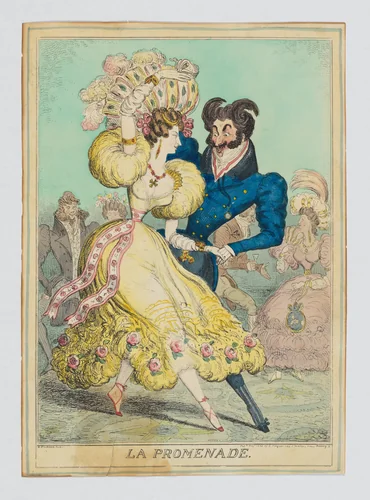
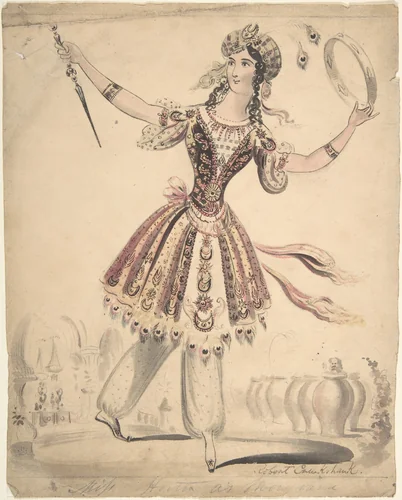
Isaac Robert Cruikshank, known sometimes simply as Robert Cruikshank, was a prolific caricaturist, illustrator, and portrait miniaturist whose output provided an important link between the satirical printmaking traditions of the Georgian era and the burgeoning illustrated magazines of the Victorian period. Active principally between 1800 and 1819, he was the son of the noted artist Isaac Cruikshank and the elder, less widely heralded brother of the celebrated George Cruikshank. His body of work, comprising fourteen known prints and a solitary drawing, demonstrates the vitality of early 19th-century graphic satire. These works are maintained today in major institutional holdings, including the Metropolitan Museum of Art and the Art Institute of Chicago, confirming his place in the historical record of British visual arts.
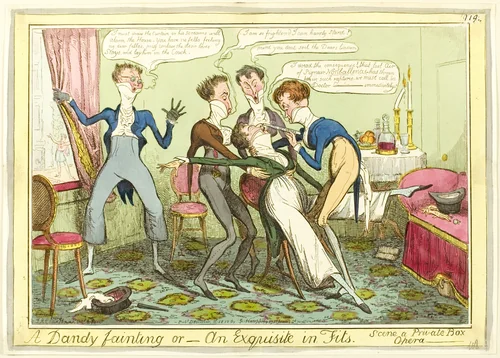
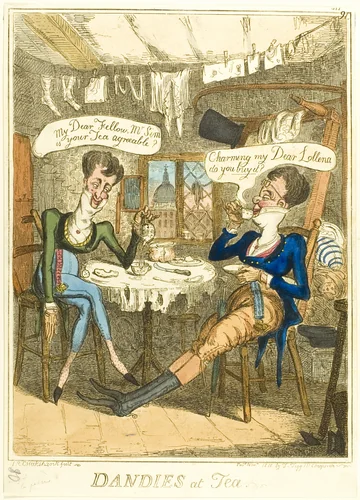
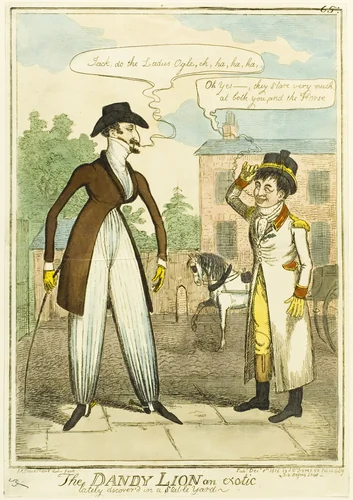
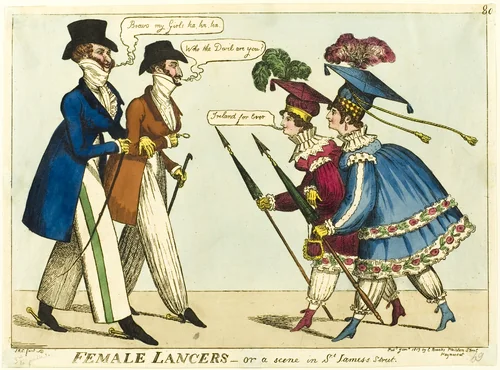
While often evaluated through the lens of his more famous sibling, Isaac Robert established a distinct significance as a key pioneer in the formal history of sequential art. Moving beyond the limitations of the isolated political cartoon, he generated complex narratives through carefully sequenced drawings and was among the earliest artists to consistently employ speech balloons to articulate dialogue. This methodological innovation was crucial in establishing the foundational grammar of modern comics.
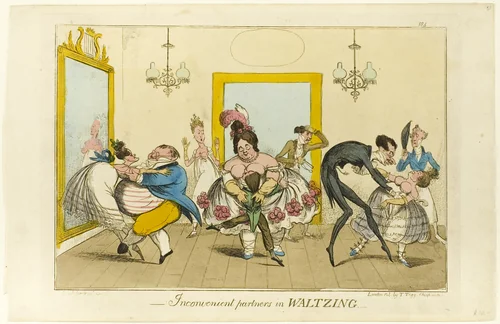
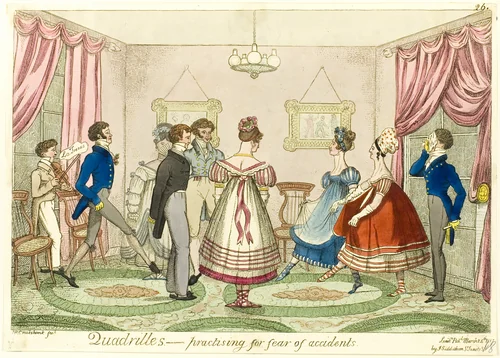
Cruikshank’s artistic subject matter centered primarily on social manners and the lighter aspects of everyday life. His titles reflect a keen eye for physical comedy and societal awkwardness, as evidenced in prints like Inconvenient Partners in Waltzing and Quadrilles - Practising for Fear of Accidents. He possessed a sharp, slightly subversive wit, often visible in his titles; a particularly compelling example is the print initially titled Beauties of Grease, which he subsequently renamed the more refined, yet equally cutting, Beauties of Greece - or - Luxuries of the Kremlin.
Cruikshank’s etchings and illustrations served as vital vehicles for circulating topical humor and visual commentary across society. Today, researchers and enthusiasts can study his creative output directly; the majority of Isaac Robert Cruikshank prints and related drawings are now held in the public domain, meaning high-quality prints and downloadable artwork are readily accessible for study. Though the artist is not known for Isaac Robert Cruikshank paintings, his contributions to illustrated satire remain an essential document of the visual lexicon of early 19th-century British popular culture.
Source: Wikipedia · CC BY-SA 4.0
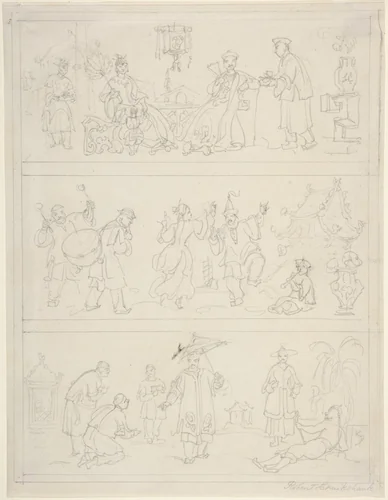
![Beauties of Grease [altered to] Greece — or — Luxuries of the Kremlin. Vide Brighton Vagaries. A Kitchen Frolic. by Isaac Robert Cruikshank, print, 1815-1820](https://img.artbee.org/7a4e0ee2-d2dd-4807-9dec-2e2f666bd7a7/small.webp)