Isaac Cruikshank
Isaac Cruikshank (1756-1799) was a Scottish painter and caricaturist whose prolific output helped define the visual language of social and political satire in late eighteenth-century Britain. Operating primarily in London, Cruikshank leveraged the accessibility of etching and aquatint to produce works of sharp, immediate critique, establishing him as a central figure in the flourishing world of Georgian printmaking.
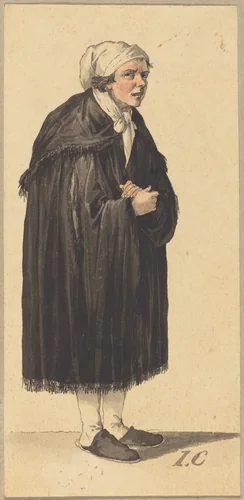
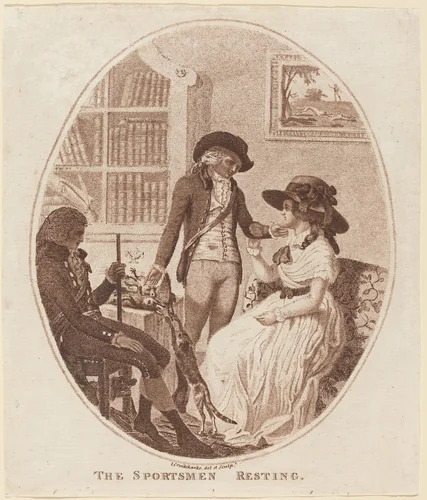
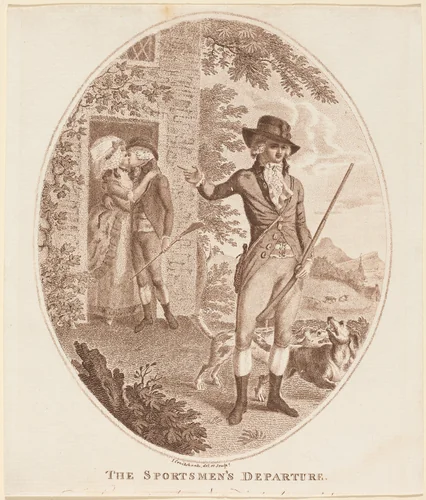
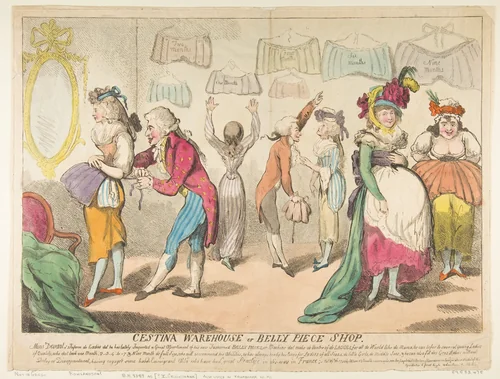
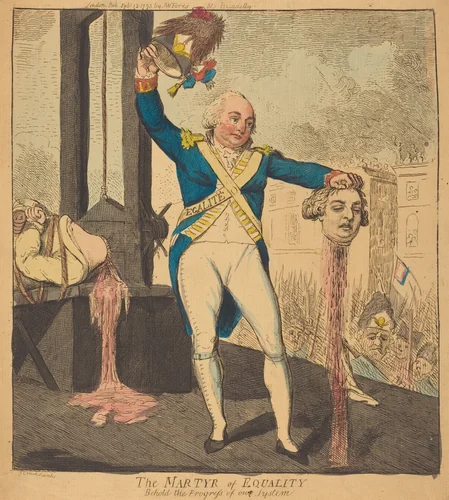
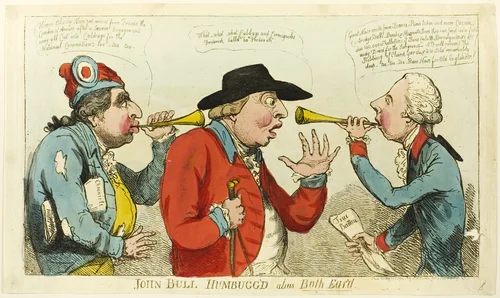
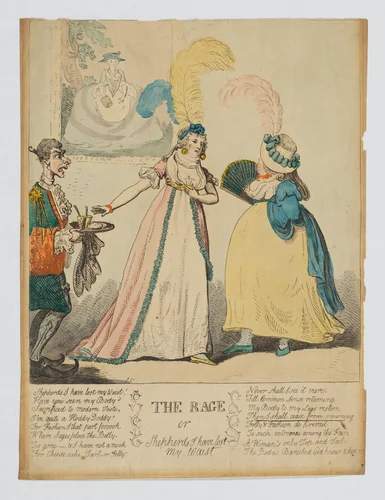
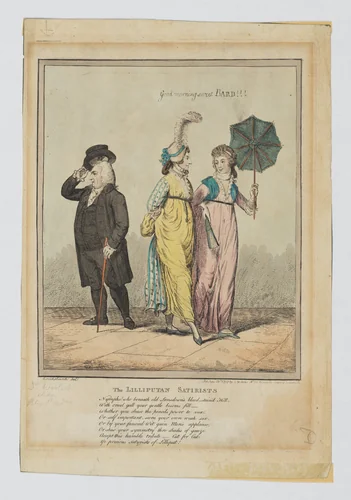
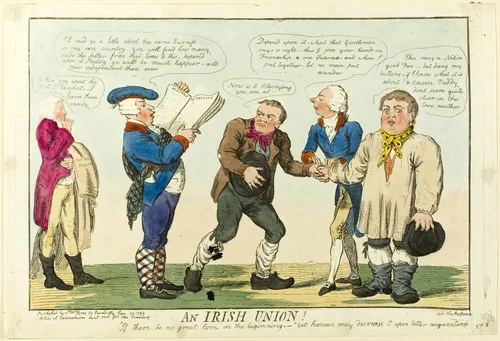
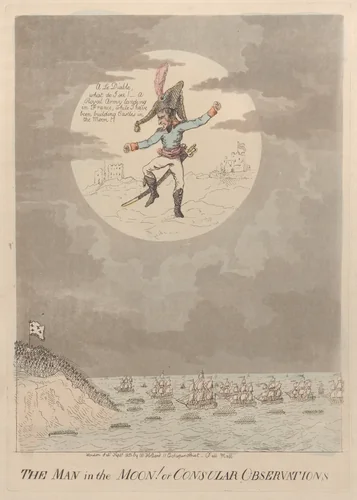
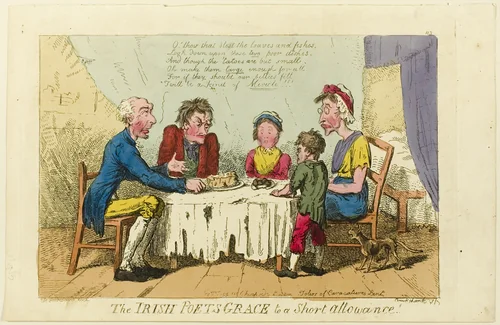
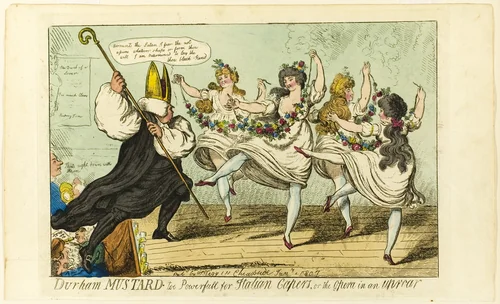
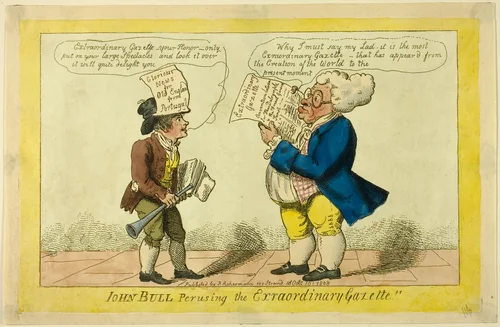
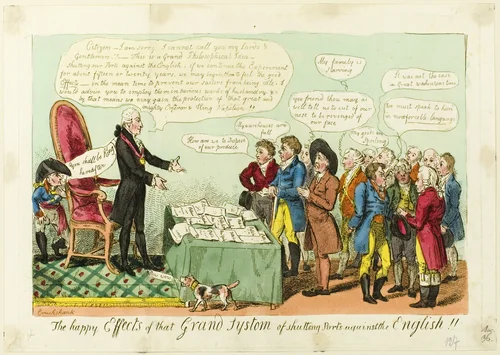
Cruikshank was recognized for his keen ability to distill complex current events and cultural eccentricities into powerful, often humorous, single-sheet images. His subjects ranged from the broad farce of everyday urban life to pointed commentary on war and parliamentary maneuvering. Works such as A London Character and the genre scenes The Sportsmen Resting and The Sportsmen's Departure demonstrate his dexterity in capturing the specific, recognizable types that populated the era. He specialized in illuminating the mundane and the grotesque, often producing images that served as graphic documents of specialized trades, as seen in the highly descriptive Cestina Warehouse or Belly Piece Shop.
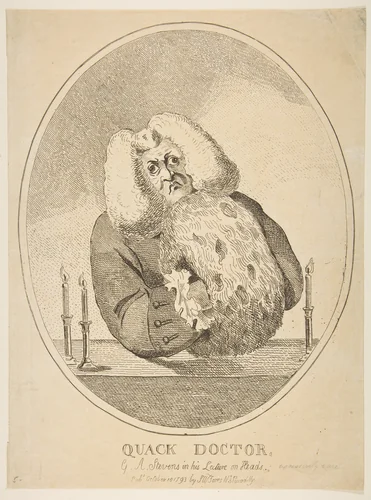
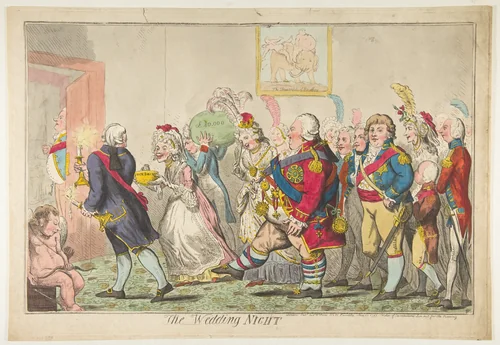
While his contemporary James Gillray often delivered grand, allegorical political assaults, Cruikshank tended toward a more grounded, observational approach. He possessed an unusual talent for merging the visual reportage of portraiture with theatrical scene-setting, a skill evident in his representation of popular culture, such as the print depicting the famed showman in Quack Doctor, G. W. Stevens in His Lecture on Heads. This precision, combined with an undeniable comic cruelty toward his subjects, gave his Isaac Cruikshank prints a lasting vitality.
Cruikshank’s significance extends beyond his individual contributions; he fundamentally shaped the tradition of British pictorial satire, training and influencing the succeeding generation of artists, including his celebrated son, George Cruikshank. Today, his historical importance is underscored by the presence of his works in major institutions globally, including the Metropolitan Museum of Art and the National Gallery of Art. As much of his catalogue now rests in the public domain, the visual record of his satirical career is highly accessible, often found as high-quality prints or downloadable artwork for study and appreciation.
Source: Wikipedia · CC BY-SA 4.0