- IRN - UNOCHA.svg)
Iran
Iran, known historically as Persia, occupies a unique geographical position in West Asia, serving as the critical intersection point between Central Asia, the Indian Subcontinent, and the Mediterranean world. Bordered by the Caspian Sea to the north and the Persian Gulf to the south, this strategic location has ensured that Iran has functioned as a central cultural and intellectual furnace for centuries. With Tehran established as the nation’s capital and financial hub, the region maintains its foundational importance, ranking 17th globally in geographic size.
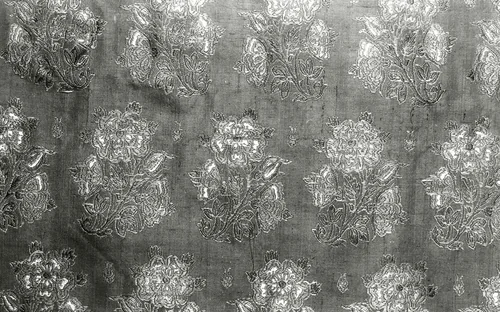
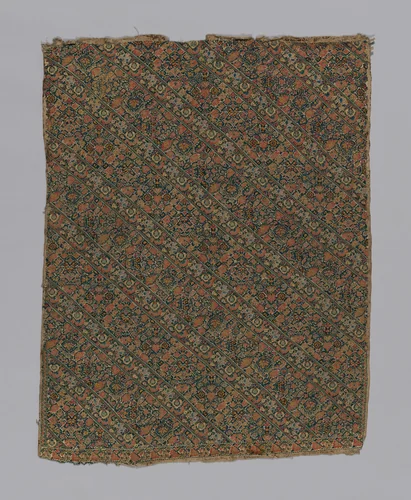
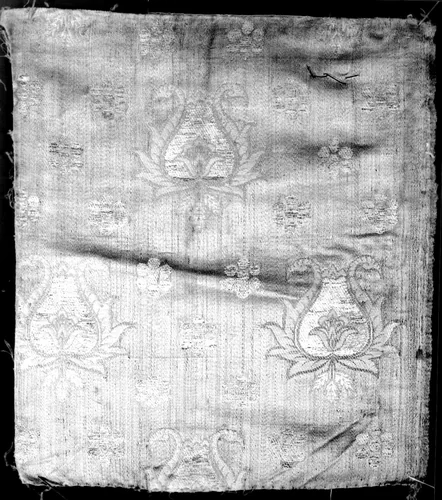
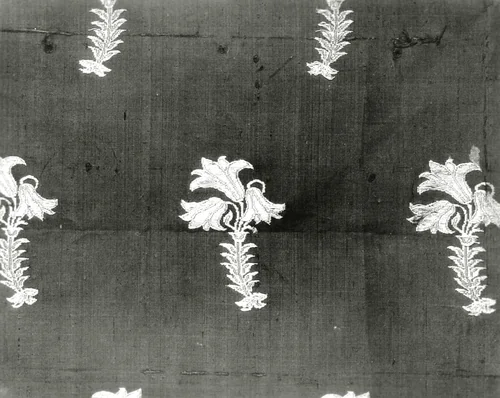
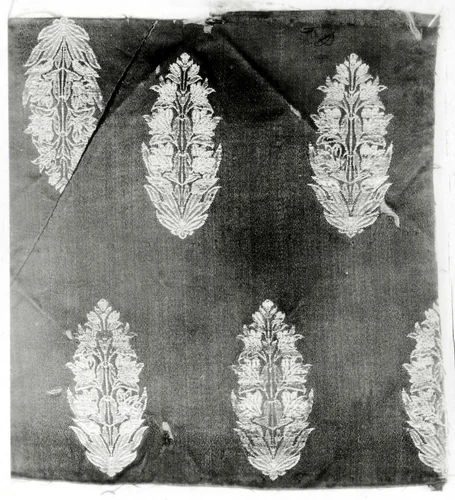
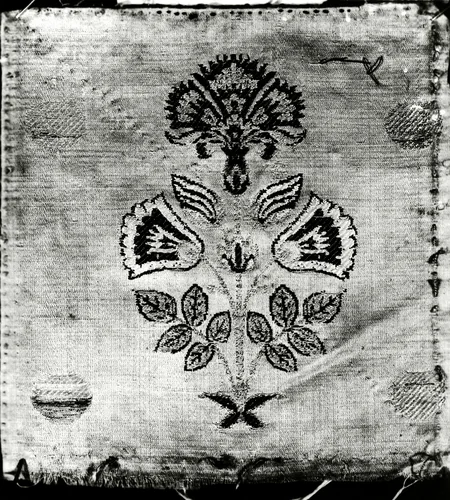
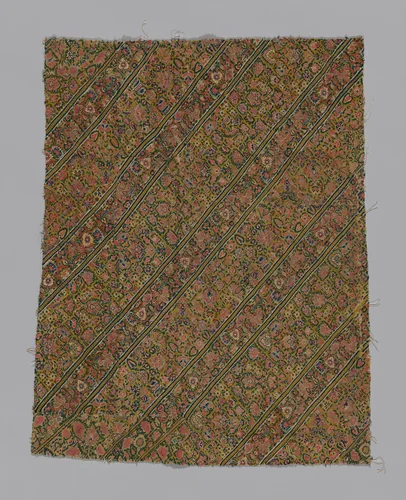
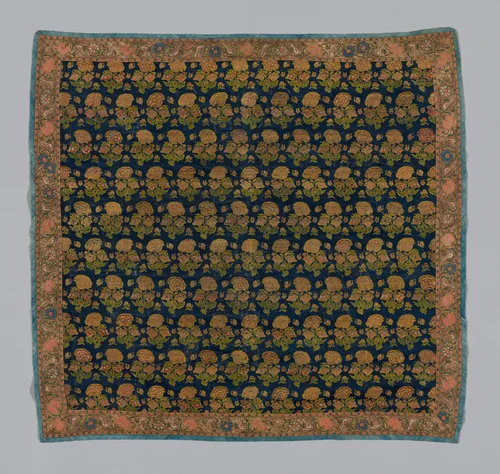
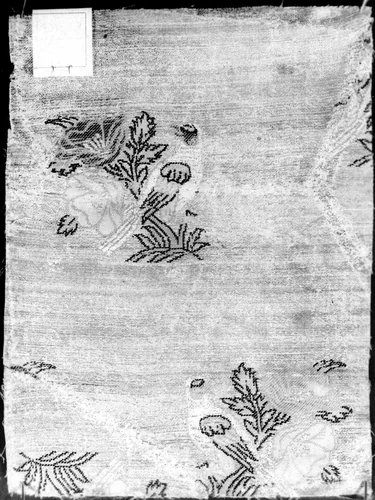
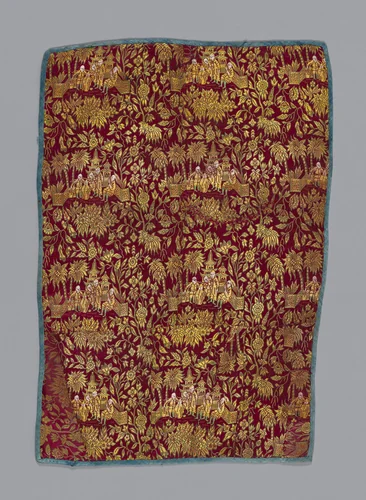
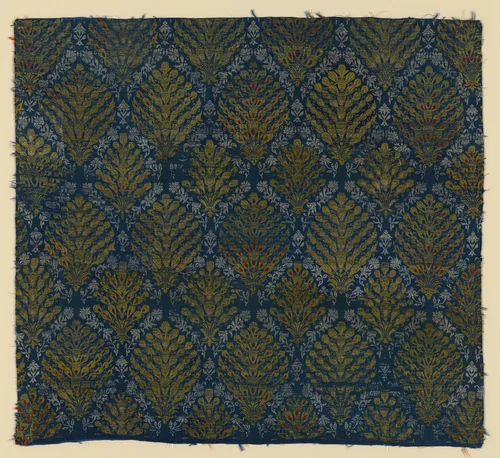
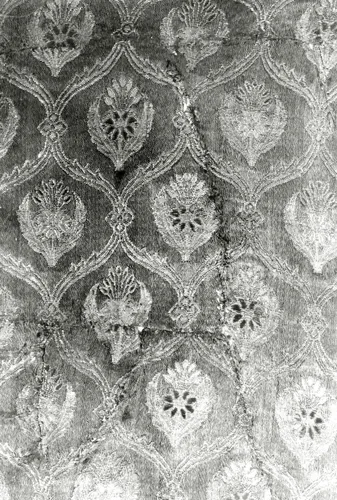
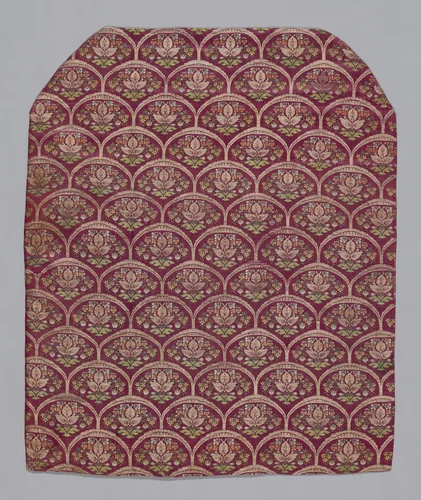
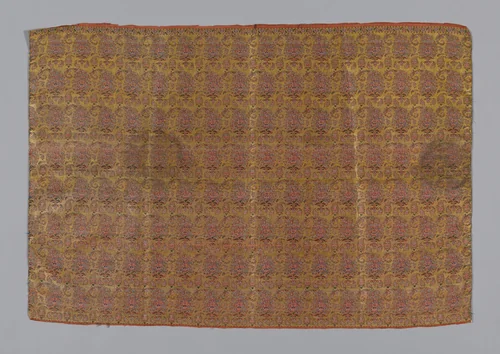
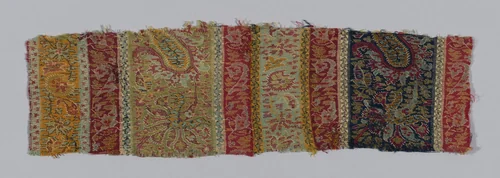
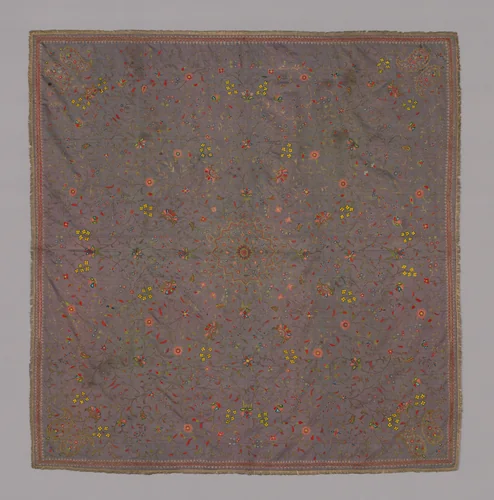
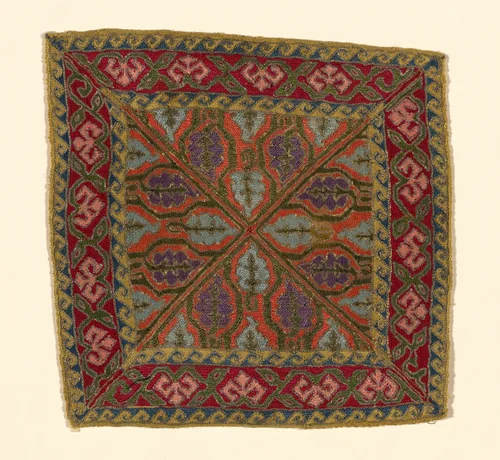
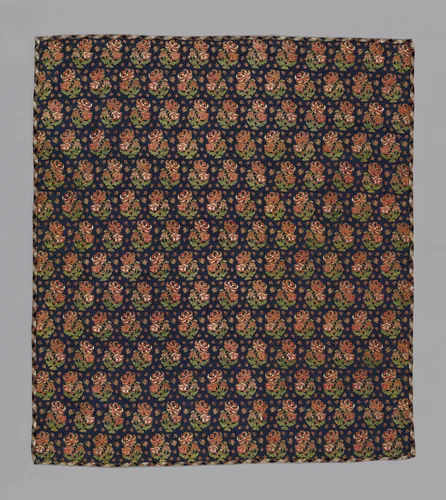
The artistic heritage arising from this region is captured in an extensive collection spanning the foundational Islamic period, specifically dated between 601 and 1499 CE. During this powerful millennium, Iranian artisans formalized and perfected key traditions in manuscript illumination, ceramics, and weaving. The documented works, including 9 major Iran paintings and 3 notable textiles, reflect a refined aesthetic concerned deeply with geometric perfection and lyrical narrative. These objects are now preserved in major international collections, including the highly regarded holdings of the Art Institute of Chicago.
A significant portion of the surviving work is dedicated to the enhancement of sacred text. Pieces such as the Qur'an Manuscript and the meticulous Qur'an leaf in Eastern Kufic script illustrate the technical brilliance achieved in calligraphy—an art form perhaps nowhere else elevated to such prominence. It is a subtle observation that few civilizations have devoted such monumental and sustained effort to making written language itself a high art form. Furthermore, the development of complex figural and non-figural ornamentation is evidenced by objects like the Roundel and various Fragments.
The continuous influence of these medieval creations ensures their relevance today. Scholars and enthusiasts regularly study the technical complexity and material innovations achieved by artists of this period. Today, many of these historical artifacts are available as royalty-free images, allowing their sophisticated techniques to influence contemporary practice and design globally.
Source: Wikipedia · CC BY-SA 4.0