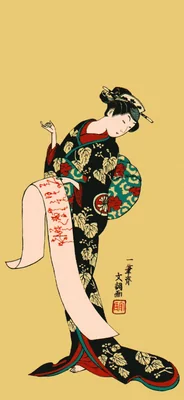
Ippitsusai Buncho
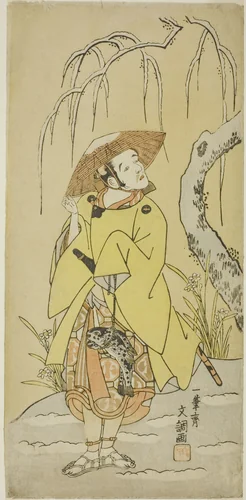
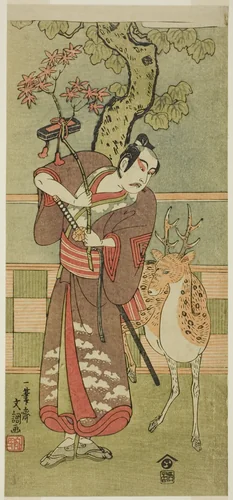
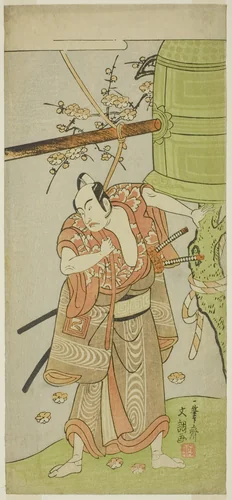
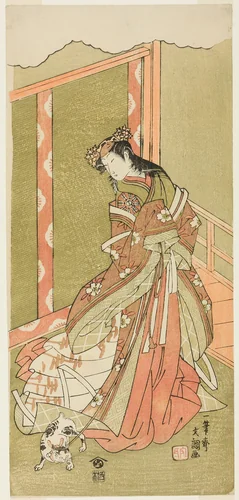
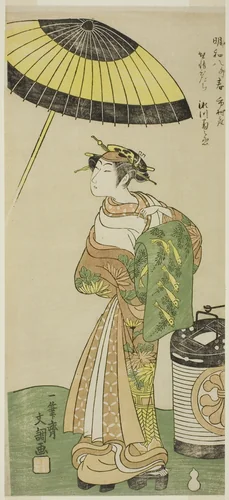
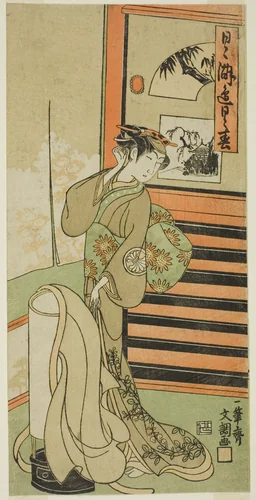
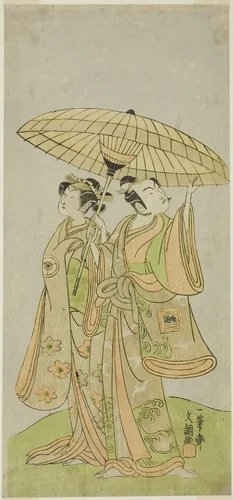
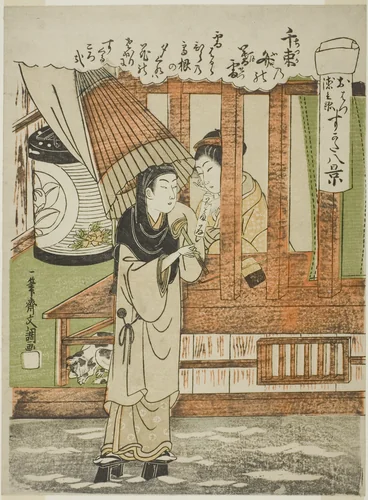
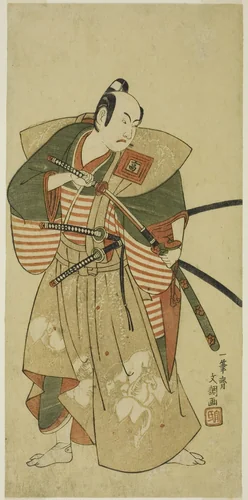
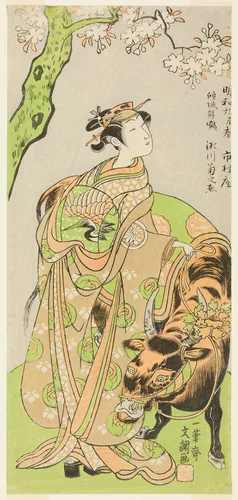
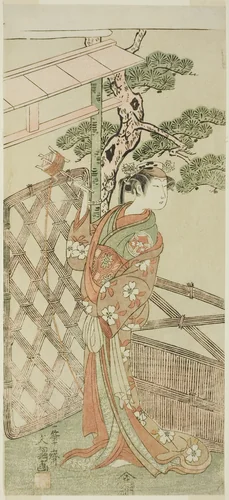
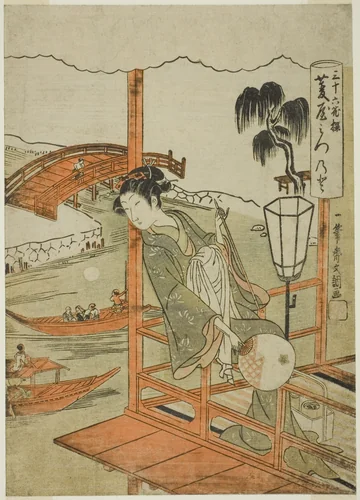
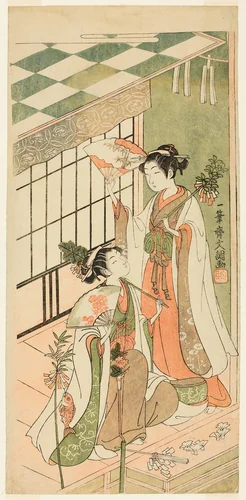
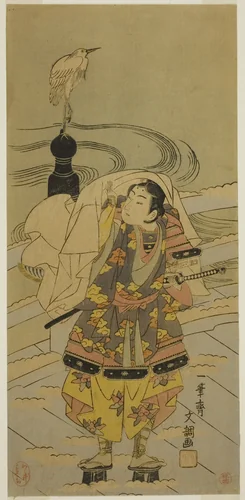
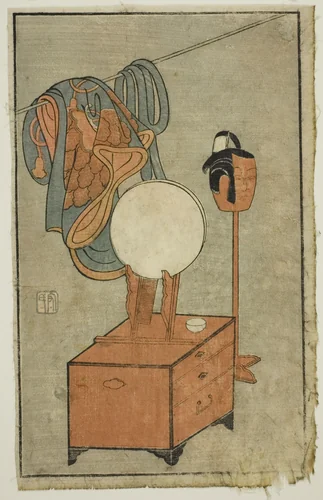
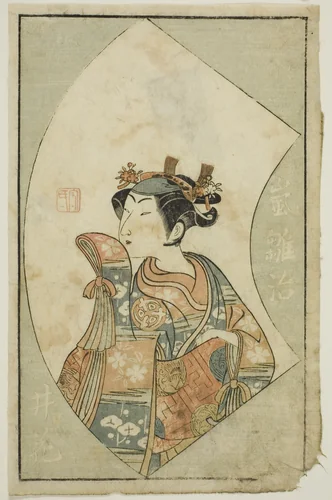
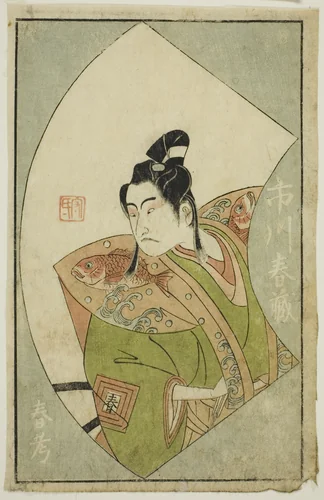
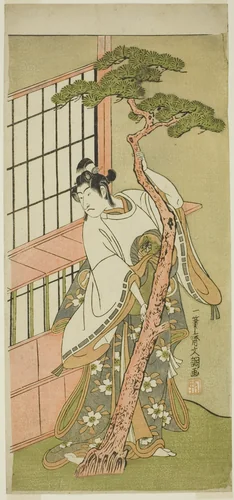
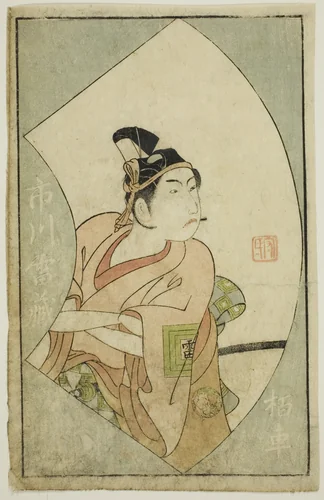
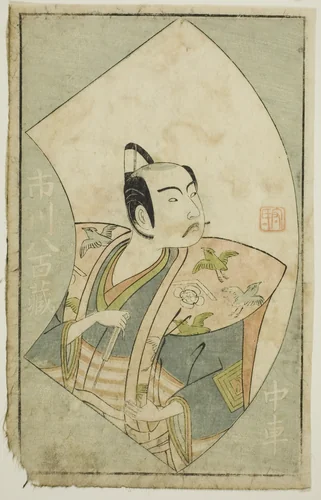
Ippitsusai Buncho stands as a pivotal figure in the mid-eighteenth century development of Japanese ukiyo-e, specializing in the demanding genre of theatrical subjects. Active primarily between 1755 and 1764, his substantial output centered on yakusha-e, or actor prints, characterized by their distinctive narrow hosoban dimensions. The mid-Edo period was an era ripe for artistic evolution, and Buncho, working in critical collaboration with contemporary Katsukawa Shunshō, spearheaded one of the most significant shifts in the history of theatrical printmaking.
Prior to Buncho and Shunshō, actor portraits often relied on generalized, stereotypical facial representations that prioritized costume and dramatic pose over individual recognition. Buncho fundamentally challenged this tradition. His achievement lies in developing a style focused explicitly on producing a recognizable likeness of the subject. This innovation transformed the yakusha-e from mere commemorative theater souvenirs into genuine portraiture. Works such as The Actor Ichikawa Yaozo II exemplify this new psychological depth, giving the consumer of the print a deeper, more intimate connection to the celebrity persona being depicted.
Buncho’s concentrated artistic period successfully captured the careers of leading performers of his day. Noteworthy theatrical works include The Actor Ichimura Uzaemon IX as Seigen in the Play Ise-goyomi Daido Ninen, Performed at the Ichimura Theater in the Fall, 1768, and the powerful dual-role depiction of Ichikawa Yaozo II as Umeo-maru. While chiefly renowned for these theatrical commissions, Buncho occasionally extended his brush to non-theatrical themes, demonstrated by the elegant still life White Chrysanthemums and Pinks in a Black Vase. His output is highly valued today for its historical precision and artistic quality, providing researchers and enthusiasts museum-quality reproductions of the period's stage life.
The lasting influence of Buncho rests not just on his technical skill, but on his willingness to humanize the celebrity, proving that consumers desired the face beneath the mask. It is perhaps ironic that artists who so meticulously captured the fleeting resemblance of their era's stars are themselves often summarized solely by their stylistic innovation, but the sheer vitality of Buncho’s individual portraits ensures his enduring legacy in the chronology of Japanese printmaking. Examples of these Ippitsusai Buncho prints are preserved in major institutions, with many now available as high-quality prints in the public domain.
Source: Wikipedia · CC BY-SA 4.0