Indonesia Java
The artistic output identified as Indonesia Java represents a long-standing tradition of craft and textile production active over a period spanning six centuries, from approximately 1201 to 1801. This designation encompasses works of material culture produced across the region during the late medieval and early modern eras.
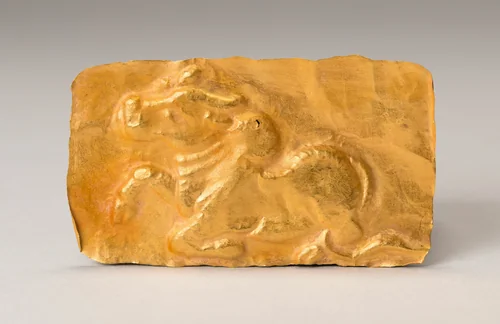
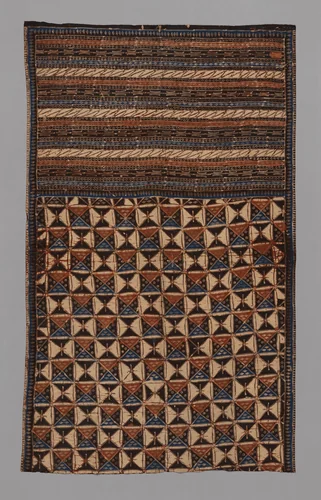
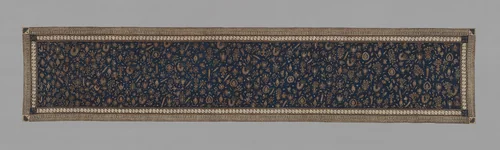
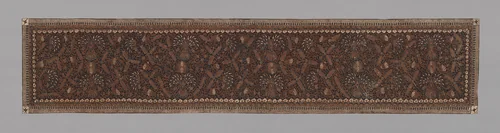
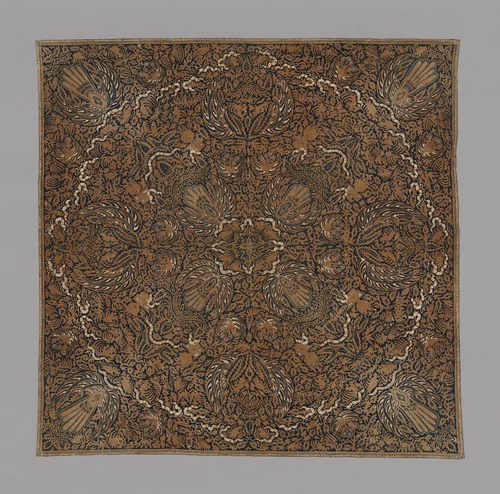
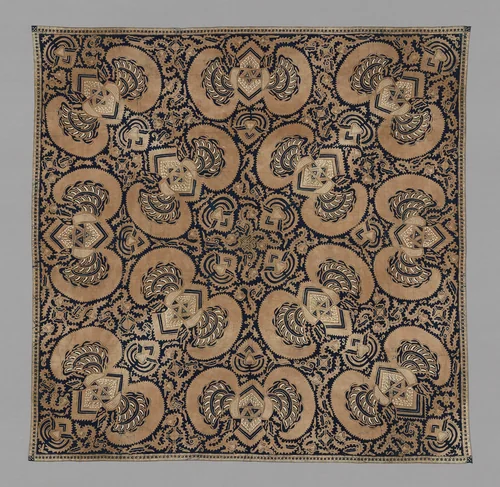
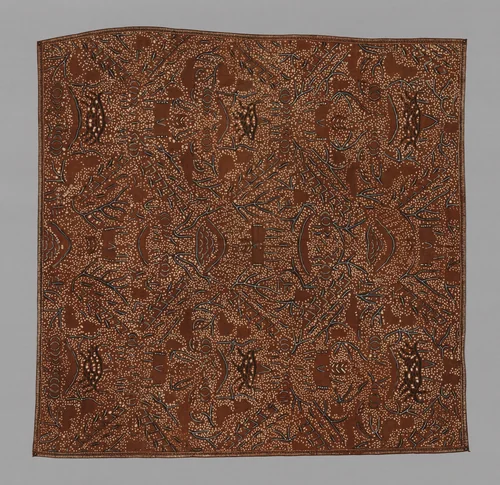
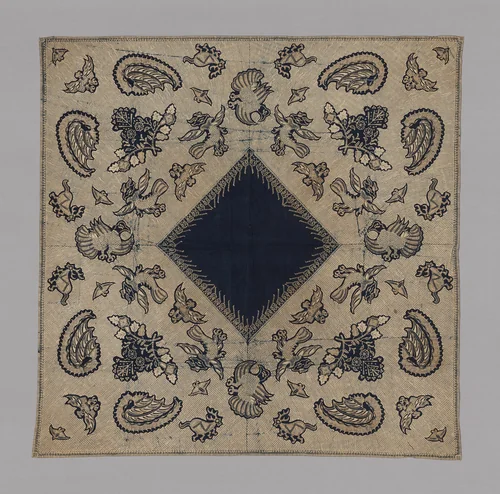
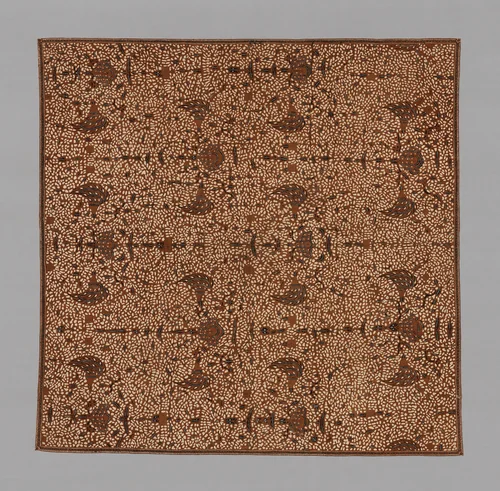
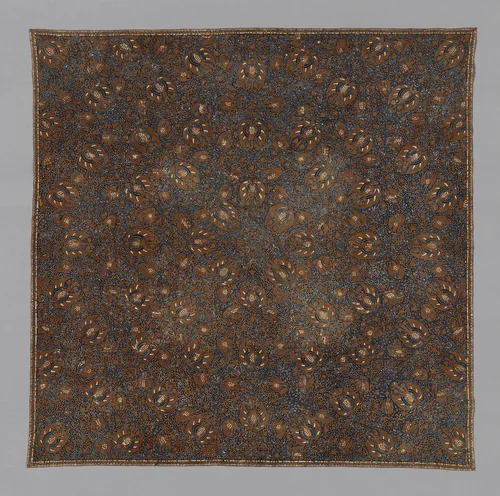
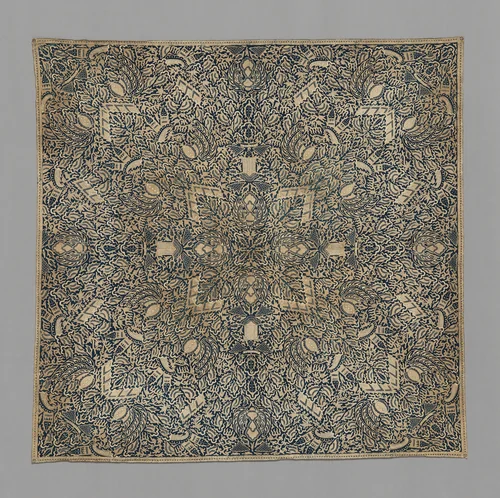
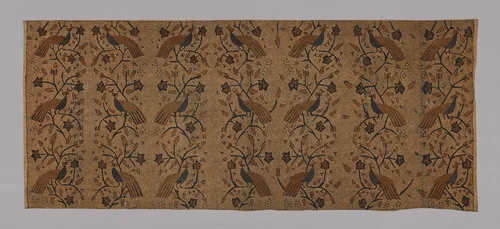
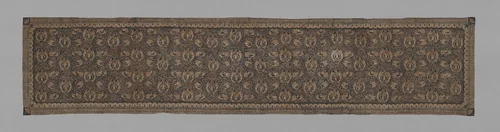
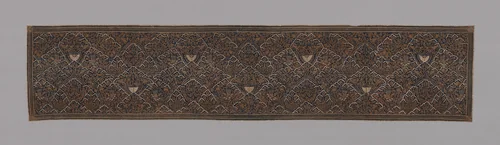
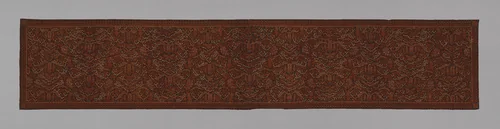
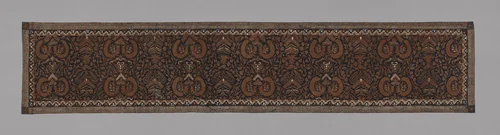
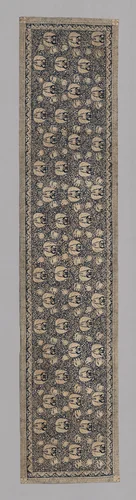
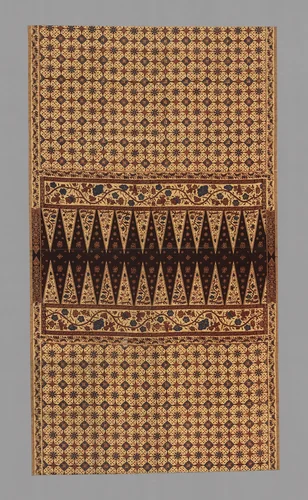
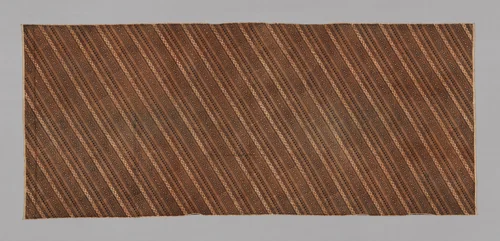
The documented works associated with this designation consist primarily of textiles, with fourteen textiles and one non-textile work represented in collections. These objects offer insight into the functional and ceremonial cloths utilized during this expansive period. Specific documented textile forms include the Selendang (Shawl) or Belt, the Hanging /Sash, and the Iket (Headcloth). The sole documented non-textile piece is the Votive Plaque with Bull.
Works attributed to Indonesia Java are preserved in institutional holdings, lending authenticity and credibility to the historical record. Notable among these collections is the Art Institute of Chicago. These museum-quality artifacts are studied for their historical significance and technical mastery. As many of these cultural records are historical, high-quality prints and documentation are often available through repositories, and specific images may reside in the public domain, offering opportunities for downloadable artwork and scholarship.