India, Gujarat
The artistic tradition of India, Gujarat, is documented across a substantial historical period, with known activity spanning from 1377 to 1801. This regional output encompasses both intricately illustrated religious manuscripts and a strong heritage of textile production, frequently focused on sacred and ceremonial objects.
The works represented in major collections demonstrate a specialization in two key media: painting and woven textiles. Verifiable documentation indicates the preservation of thirteen objects, comprising nine textiles, three paintings, and one other work. These materials often reflect themes central to Jain religious culture, particularly evident in the illustrated manuscripts.
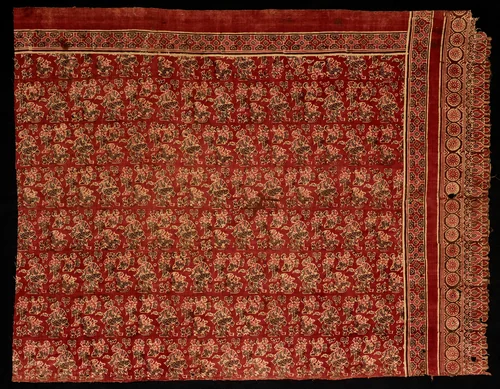
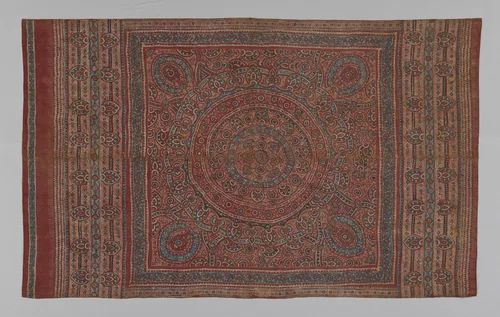
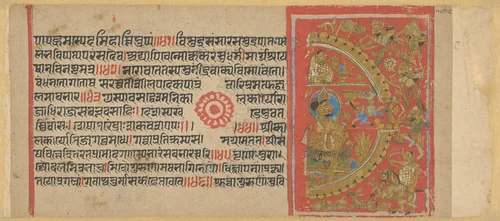
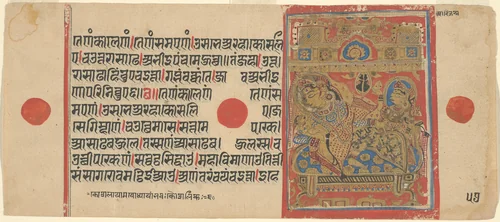
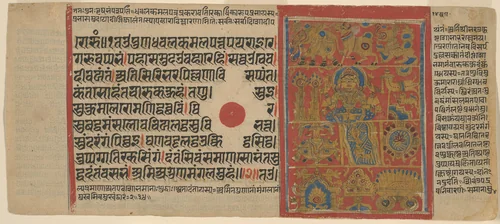
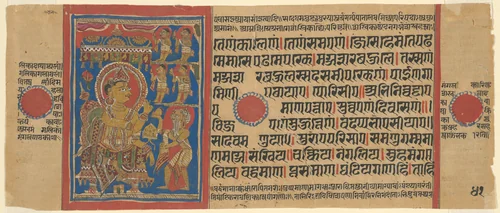
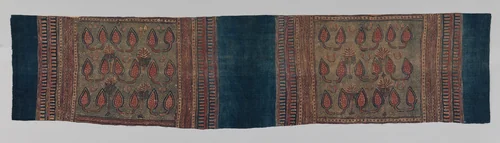
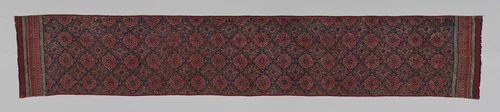
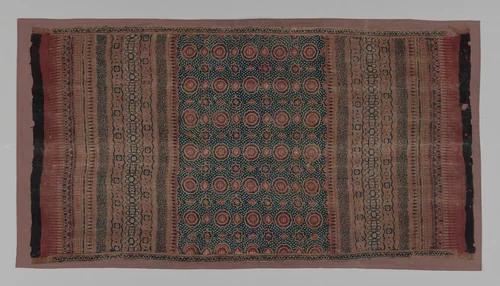
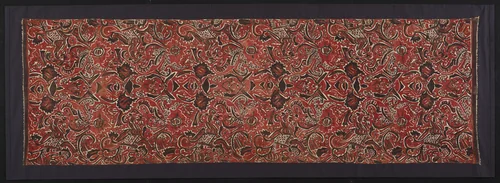
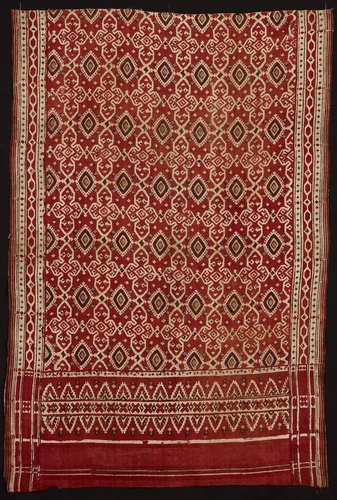
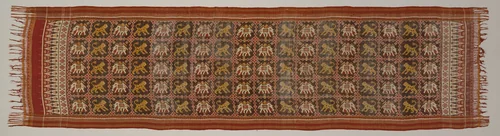
Important examples of manuscript painting held in collections include the detailed miniatures The Siege of Ujjain and the Slaying of the Magic Donkey, from a copy of the Kalakacharyakatha and Queen Trishala Gives Birth to Mahavira, from a copy of the Kalpasutra. The textile arts are represented by ceremonial and heirloom items, such as the Fragment of Mawa' or Ma'a (Sacred Heirloom Textile) and the Ceremonial Cloth (Sacred Heirloom Textile).
Institutional holdings that preserve these historically significant items from India, Gujarat paintings and textile traditions include the Art Institute of Chicago. These museum-quality works are maintained for scholarly research, and many are available today as high-quality prints.