Imperial Russian Tapestry Manufactory
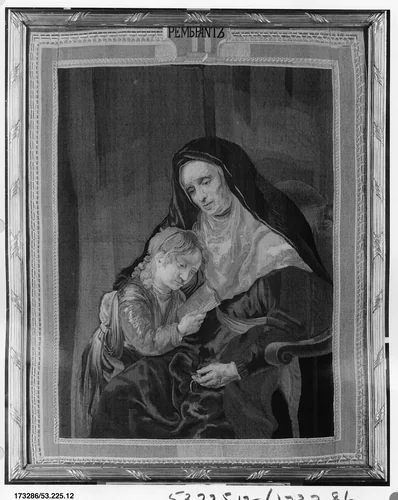
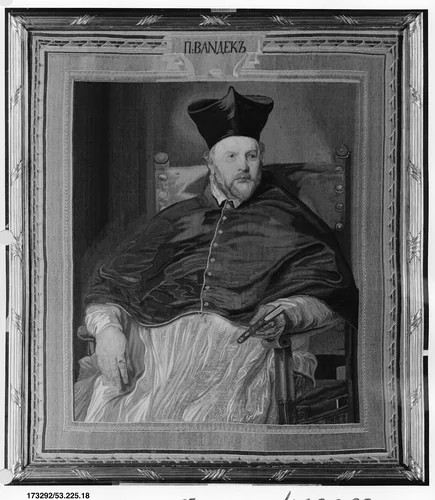
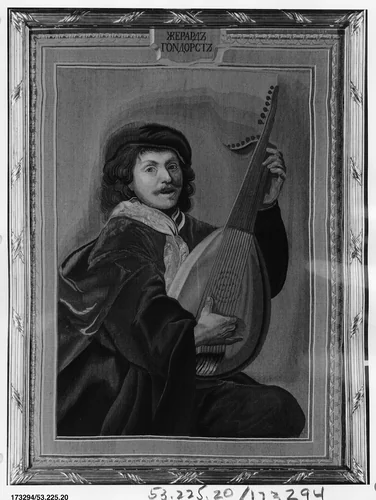
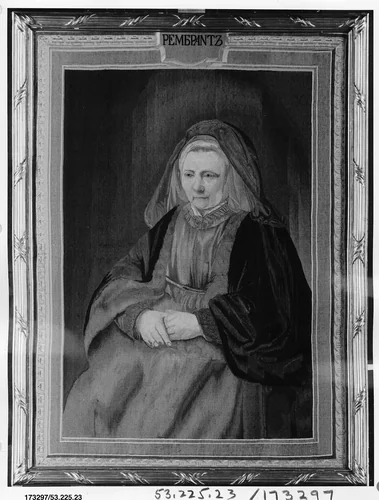
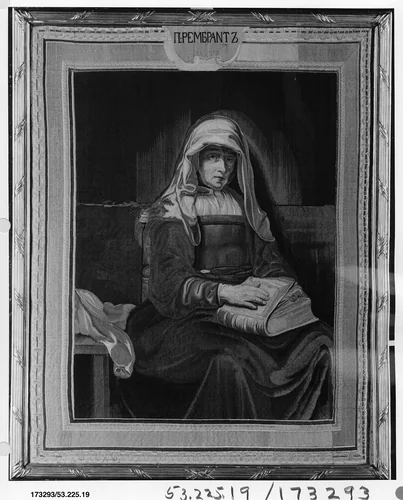
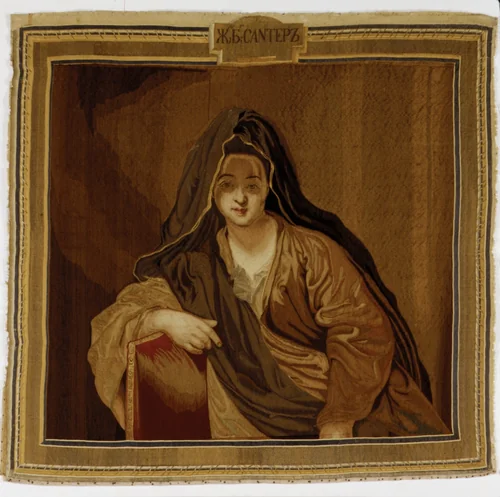
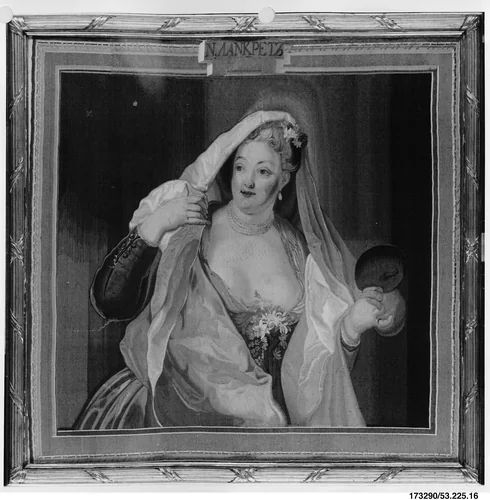
The Imperial Russian Tapestry Manufactory was a state-sponsored textile workshop active between 1762 and 1785. Operating primarily during the reign of Catherine the Great, the manufactory specialized in reproducing major painted works, historical scenes, and portraiture onto large-scale woven tapestries.
The production center focused on translating existing paintings into intricate textile formats, often demonstrating sophisticated technical execution. Twelve textiles produced by the Imperial Russian Tapestry Manufactory are represented in museum collections, confirming the technical skill and historical importance of the workshop's output. These highly preserved pieces meet rigorous museum-quality standards.
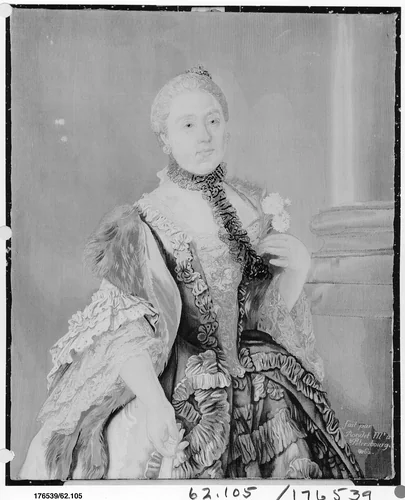
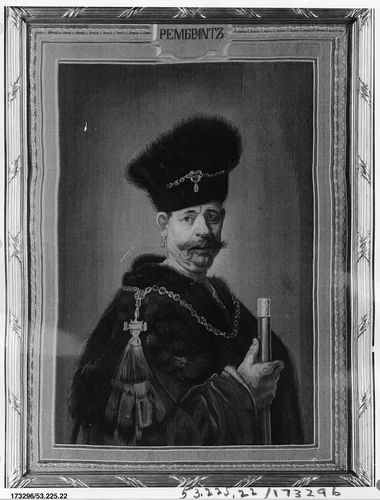
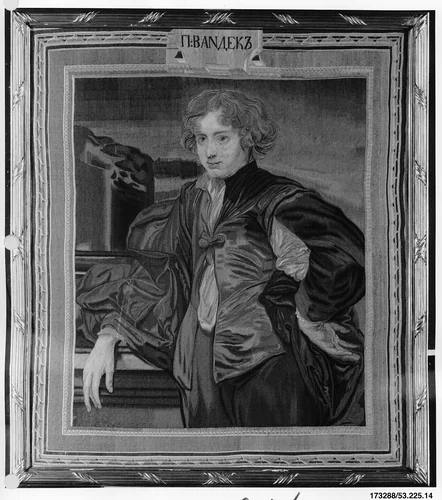
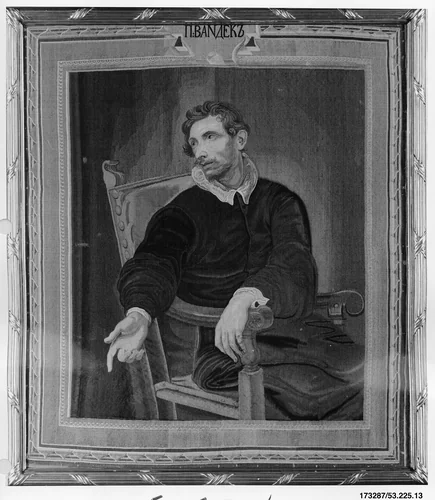
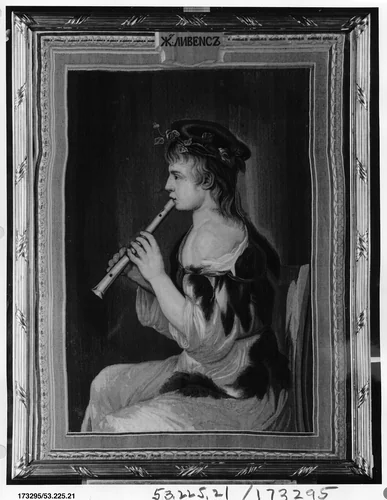
The breadth of the manufactory’s output is evidenced by works such as the portrait Portrait of Countess Elizaveta Romanovna Vorontsova (1739–1792), the genre scene A Polish Nobleman, and the woven reproduction of Anthony Van Dyck, Self Portrait. Other documented works include Dr. Lazarus Markijzus and Girl Playing a Recorder. Today, the manufactory's legacy is secured through its representation in major international institutions, including the Metropolitan Museum of Art. Because of their age and institutional holdings, many images of the resulting Imperial Russian Tapestry Manufactory prints and textiles fall into the public domain, making them available as downloadable artwork for scholars and researchers.