Ilia Zdanevich
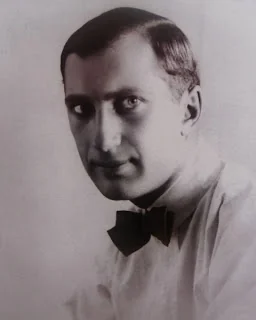
Ilia Mikhailovich Zdanevich, known throughout his career simply as Iliazd, established himself as one of the most innovative and geographically expansive figures of the early twentieth century avant-garde. A polymath who operated simultaneously as a Georgian-Polish writer, artist, and publisher, Iliazd served as a critical conduit between the intellectual currents of Eastern Europe and Paris. He was an integral and energetic participant in the key revolutionary movements of the era, notably Futurism and the irreverent anti-art of Dada.
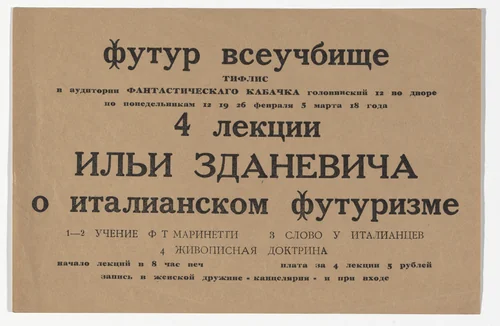
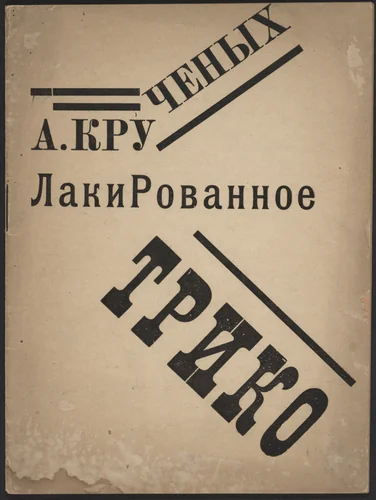
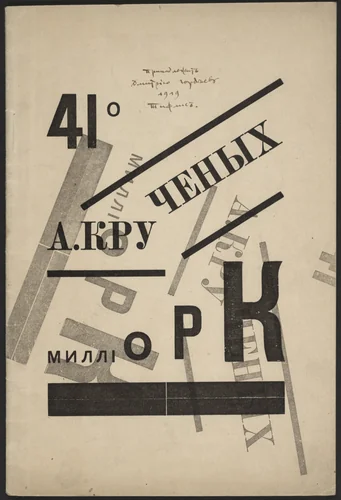
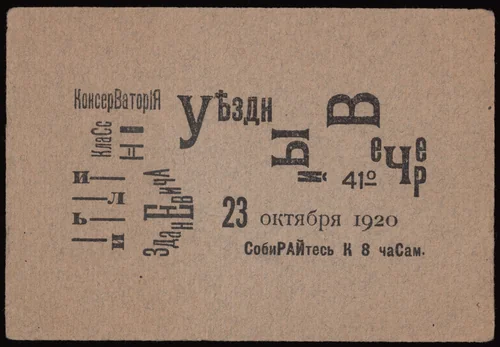
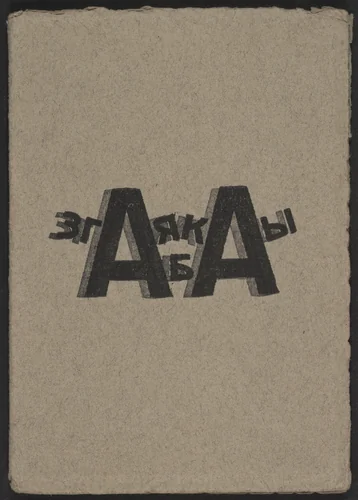
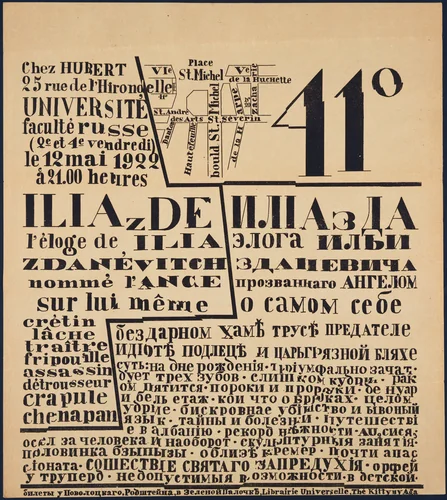
The zenith of Iliazd’s experimental artistic production occurred during a concentrated four-year period, spanning 1918 to 1922. In this brief but intensely fertile window, he authored and designed six seminal illustrated books alongside several independent prints and unique designs. These works fundamentally challenged the traditional boundaries of literature and visual art by treating the physical book as a sculptural object, often integrating Zaum, a poetic language defined by experimental phonetic structures. Works such as Ianko krul albanskai (Yanko King of Albania), Lakirovannoe triko (Lacquered Tights), and Milliork are celebrated for their abrasive typography, dynamic hand-drawn elements, and the use of the page as a spatial, rather than linear, experience. It is perhaps the most understated observation of his early career that the announcement for his famous series of lectures on Italian Futurism was issued from the aptly named Fantastic Tavern in Tiflis, suggesting an artist who understood that radical ideas required suitably unconventional venues.
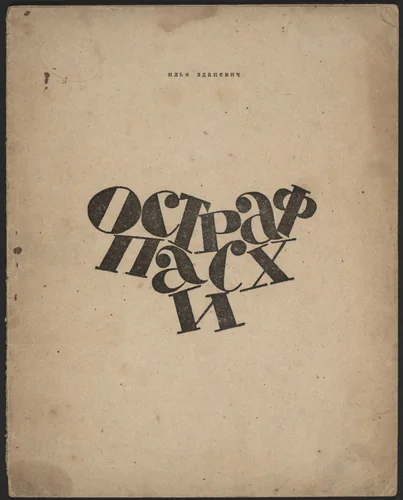
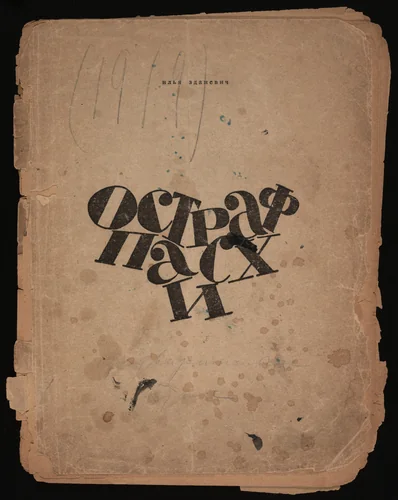
Iliazd’s lasting formal contribution is his pioneering approach to book arts, transforming limited-edition volumes into visual manifestos. The surviving records of his graphic output, including two known Ilia Zdanevich prints from this period and the design for Ostraf paskhi (Easter Island), reveal a comprehensive command over lithography and design. Today, while the scarcity of the original volumes makes them artifacts of intense scholarly interest, much of his work, now in the public domain, is increasingly cataloged. This accessibility allows institutions and researchers to produce high-quality prints for study and exhibition.
Though Iliazd continued his crucial work as a publisher and art critic in France for decades, founding an influential publishing house in Paris, the sheer formal inventiveness and energy of his early period remain definitive. The placement of his revolutionary graphic output in major collections, including the Museum of Modern Art (MoMA), confirms his historical significance, solidifying his reputation as a master of the visually explosive artist's book.
Source: Wikipedia · CC BY-SA 4.0