Ikkyū Sōjun
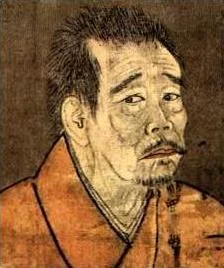
Ikkyū Sōjun (1392-1468) remains a towering and deliberately unconventional figure in the history of Japanese cultural life, an eccentric Zen Buddhist monk and poet whose impact irrevocably shaped the integration of spiritual ideals into Japanese art and literature. Active throughout the turbulent Muromachi period, Ikkyū provided a radical, anti-establishment voice that prioritized immediate, lived experience over institutional formality, fundamentally changing the expectations surrounding a spiritual leader's artistic output.
His significance lies in his unapologetic iconoclasm, which fueled a dynamic infusion of raw Zen attitudes into painting and calligraphy. Unlike his often-detached predecessors, Ikkyū advocated for an immersive enlightenment rooted in the totality of human life, famously challenging conventional monastic celibacy and strict adherence to codified rules. This vigorous spirit translated directly into his artistic execution.
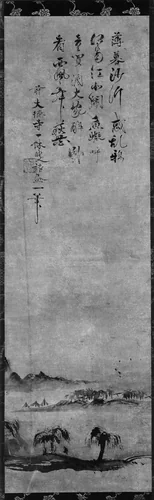
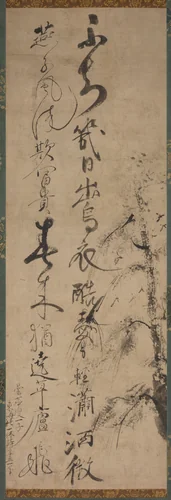
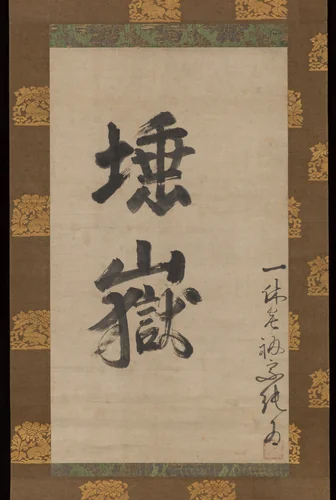
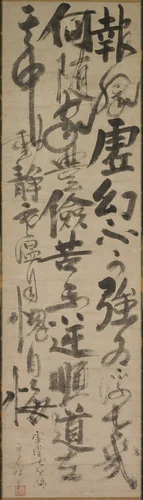
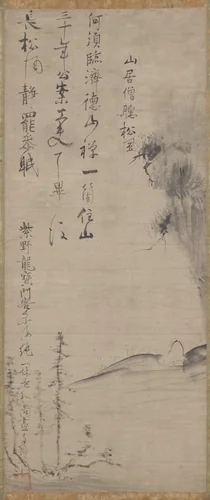
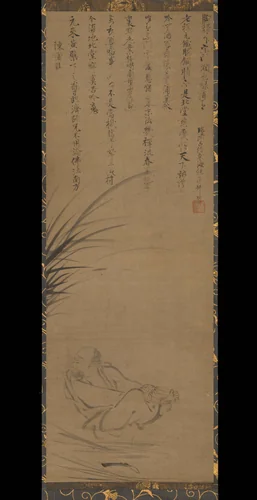
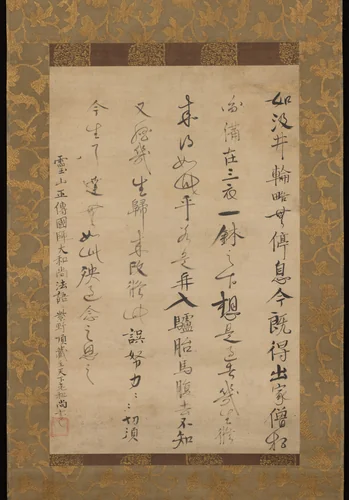
Ikkyū’s brushwork is swift, authoritative, and deeply expressive. Works such as Calligraphy with Willow and Swallows demonstrate a spontaneous energy, prioritizing the direct transmission of feeling over polished precision, a characteristic often deemed museum-quality for its vitality. His compositions blend spiritual reflection with worldly observation, evidenced in both the atmospheric ink work of Twilight Landscape and the more intimate study found in Reflections of Priest Foyen. Even administrative and commemorative documents, such as the Naming Certificate for "Tagaku", carry the unmistakable stamp of his unique psychological intensity.
He successfully positioned Zen not as an abstract, remote doctrine but as a highly personal and often paradoxical engagement with the world. This legacy ensures his continued importance in art history. Today, seminal works by Ikkyū Sōjun are housed in prestigious collections, including the Metropolitan Museum of Art and the Cleveland Museum of Art. For scholars and collectors seeking to study his profound influence on the literati tradition, high-quality prints based on Ikkyū Sōjun prints are available, maintaining the clarity and depth of his pioneering vision centuries after their creation.
Source: Wikipedia · CC BY-SA 4.0