Ignace-Joseph de Claussin
Ignace-Joseph de Claussin was an artist specializing in printmaking, active across the transition from the late 18th to the early 19th century, with his documented career spanning the years 1776 to 1807. His output reflects a focus on etching and engraving, often reproducing established compositions or exploring portraiture and historical subjects.
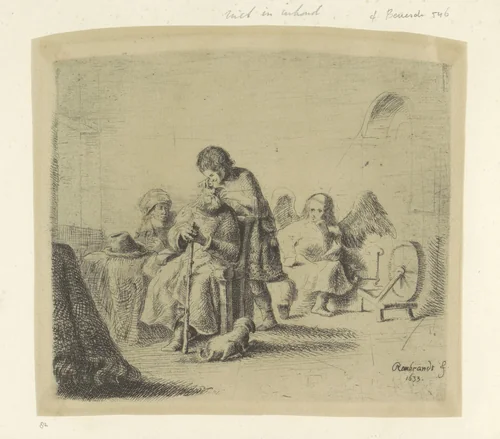
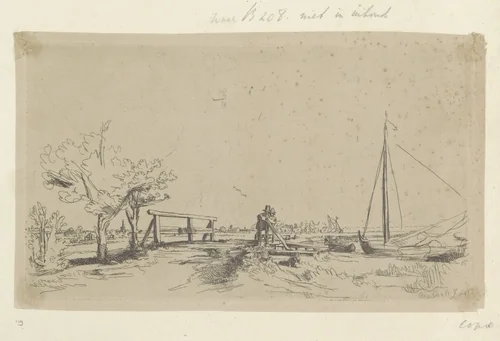
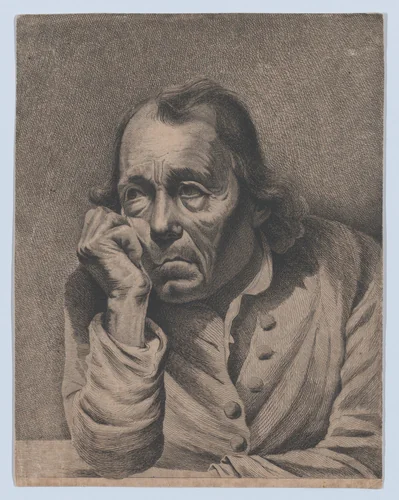
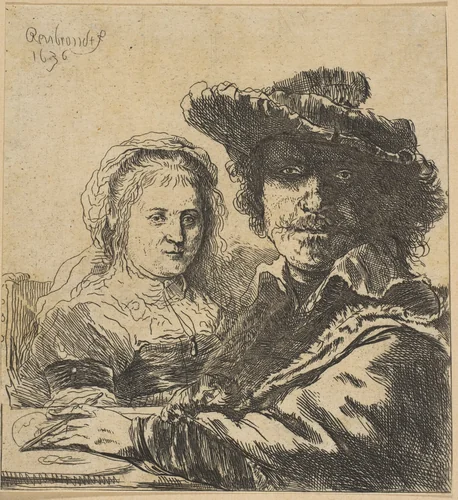
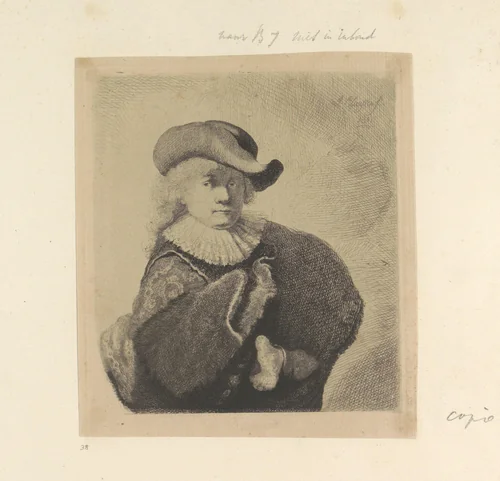
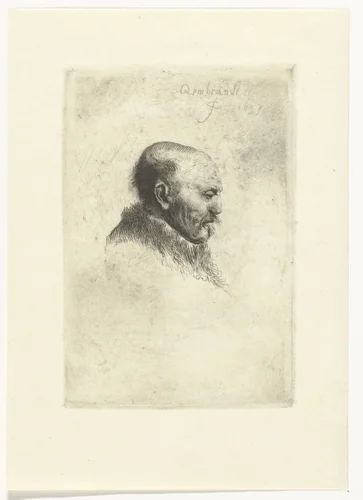
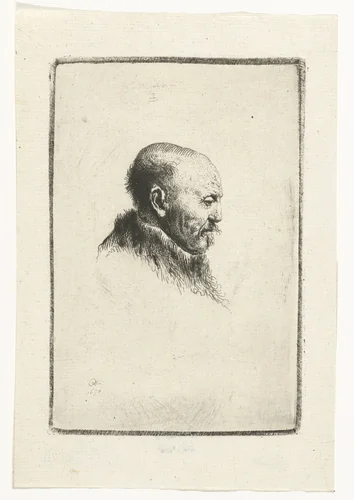
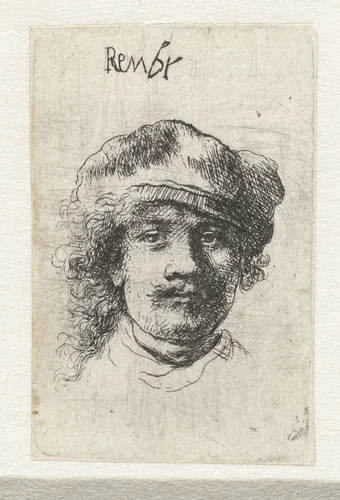
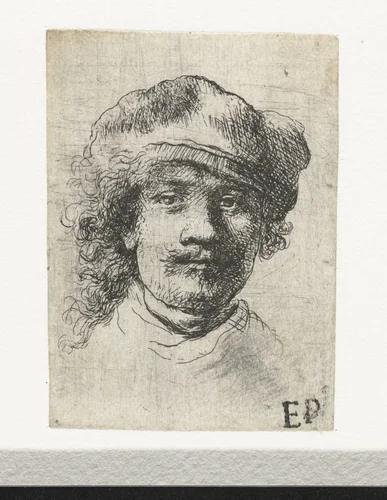
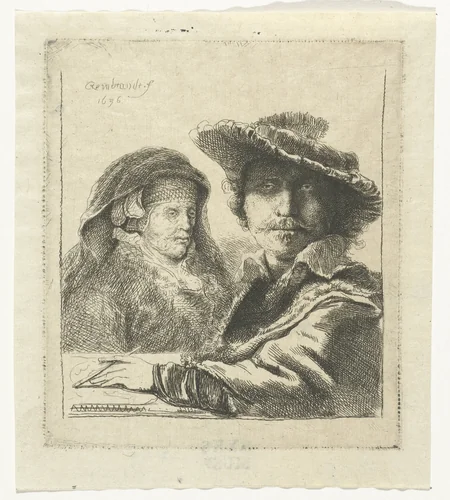
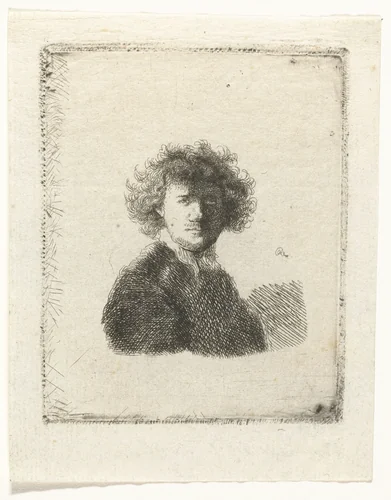
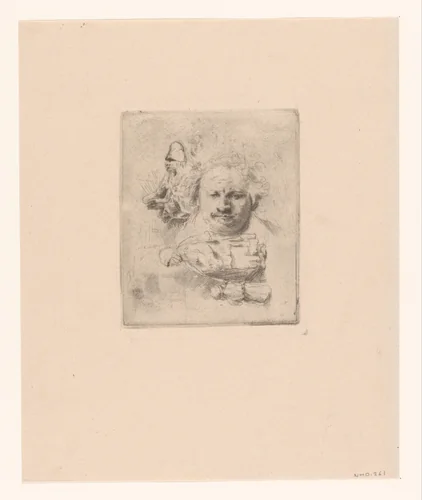
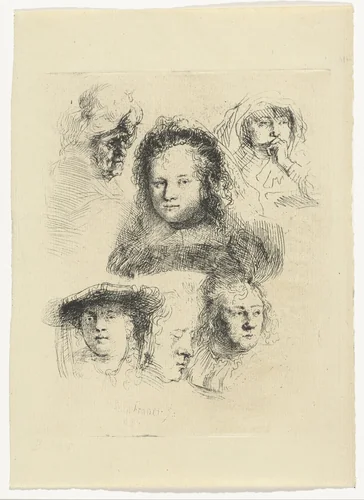
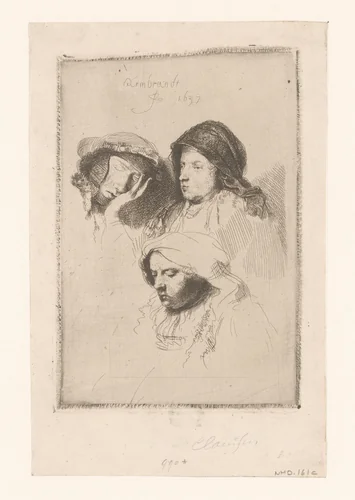
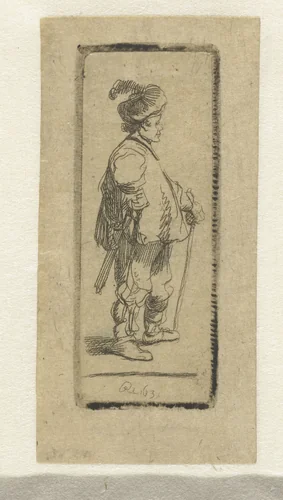
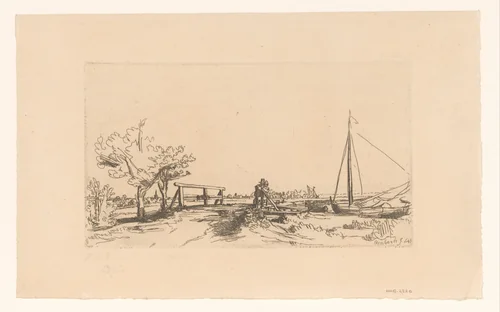
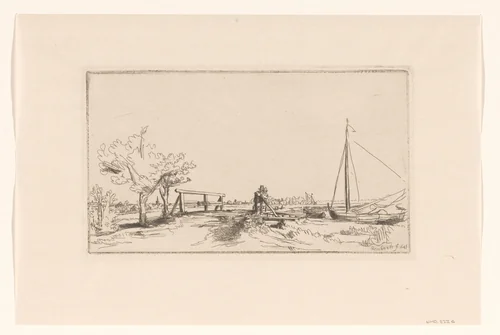
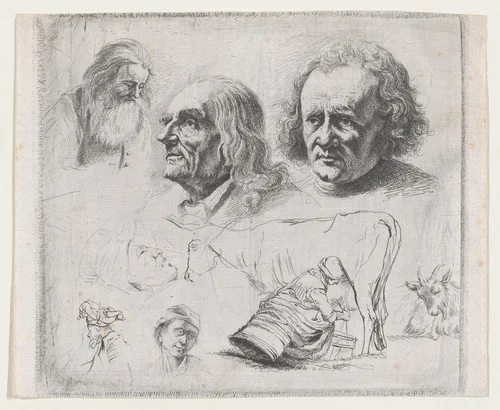
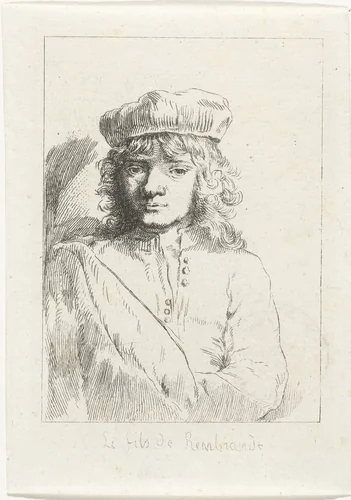
The verifiable record of de Claussin’s output includes 12 prints and 3 books held in major museum collections. His works often feature technical mastery over shadow and detail, characteristics crucial for creating high-quality prints during this period. Notable prints represented in institutional collections include the biblical scene Genezing van de blinde Tobias, the landscape Het bruggetje van Six, and the character study The Melancholic Man. De Claussin’s skill in copying and interpreting other masters is evidenced by works such as Rembrandt and his Wife (copy). His oeuvre also contains self-reflective pieces, including the portrait Zelfportret met hoed met slappe rand en geborduurde mantel.
The historical importance of Ignace-Joseph de Claussin is confirmed by the presence of his works in internationally respected institutions, including the Rijksmuseum and the Metropolitan Museum of Art. As much of this material is now in the public domain, high-quality reproductions of Ignace-Joseph de Claussin prints are available for study and reference.