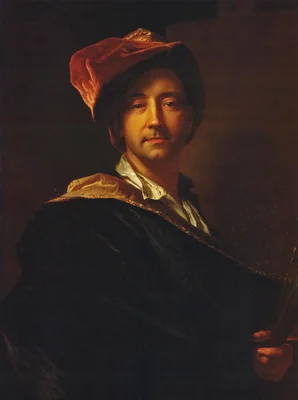
Hyacinthe Rigaud
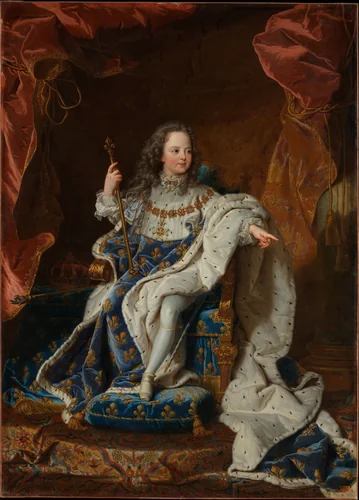
Hyacinthe Rigaud (1659-1743), originally Jacint Rigau-Ros i Serra, stands as the indispensable portraitist of the French Baroque era. Operating across an astonishingly long career, this Catalan-French master established the defining visual iconography of the absolute monarchy. His prolific studio dictated how royalty and the highest levels of French nobility wished to be perceived for over half a century. While his magnificent, full-length depiction of Louis XIV is his most celebrated work, it is merely the pinnacle of a vast body of Hyacinthe Rigaud paintings that standardized the highly formal state portrait.
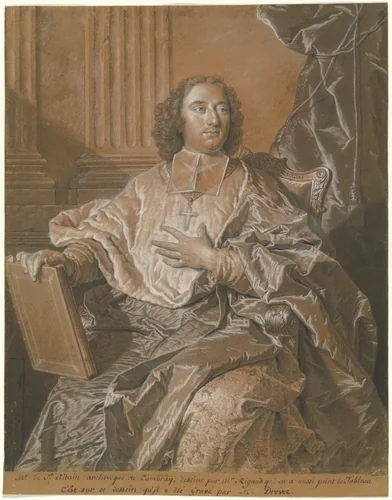
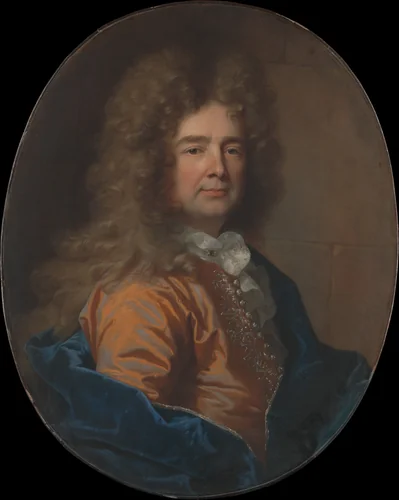
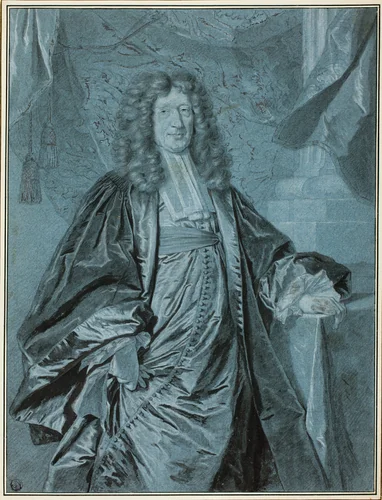
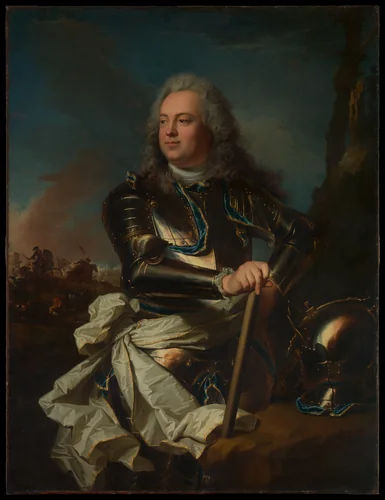
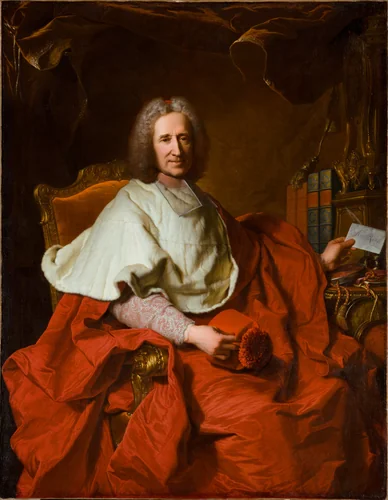
Rigaud’s genius lay in transforming a mere likeness into a theatrical yet profoundly dignified political statement. He was less interested in candid personal truth and more focused on crafting a definitive public role for his sitters. Portraits such as Monseigneur Charles de Saint-Albin, Archbishop of Cambrai and the stately Portrait of a General Officer are framed by monumental architecture, carefully positioned classical elements, and luxurious, almost sculptural textiles. He elevated the presentation of silk, ermine, and velvet to an art form, rendering the material weight of courtly life with spectacular visual precision, ensuring the wearer appeared effortlessly worthy of such display. His portraits are, in effect, historical records meticulously disguised as grand art.
He possessed remarkable technical agility, maintaining psychological depth even within the confines of rigid court protocol. The artist’s longevity meant his influence extended well beyond Versailles, shaping the expectations for formal portraiture throughout Europe well into the mid-18th century.
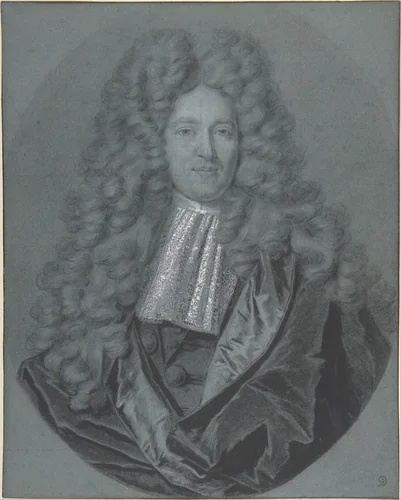
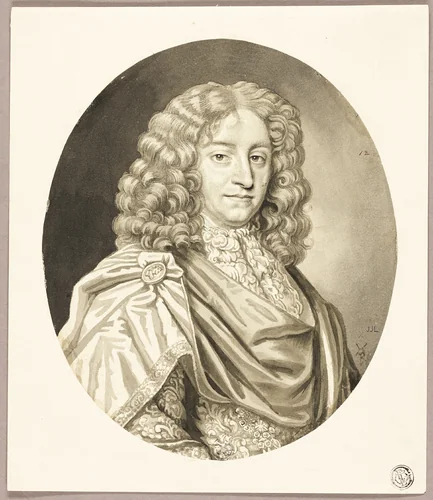
Due to his prolific output and the sheer power of his compositions, significant examples of Rigaud’s work, including drawings like Bust of a Gentleman in an Oval Field, are held in major institutions globally, including the Metropolitan Museum of Art and the National Gallery of Art. Many of his key compositions are recognized as being in the public domain, allowing researchers and enthusiasts alike to access museum-quality resources. Consequently, high-quality prints and downloadable artwork derived from these powerful original sources ensure that the visual legacy of the Sun King’s court remains accessible for continued study and appreciation.
Source: Wikipedia · CC BY-SA 4.0