Hugo Erfurth
Hugo Erfurth (1874-1948) was a German photographer whose penetrating portraiture of cultural figures defined the visual record of the European intellectual elite during the early twentieth century. Working primarily from Dresden, Erfurth established a reputation for technical excellence combined with a rare ability to capture the psychological intensity of his sitters, effectively documenting the complex cultural shift from the Wilhelmine era toward Modernism.
Active from the late 1890s through the mid-1920s, Erfurth eschewed the static formalism often found in contemporary studio work. He employed specific lighting and printing techniques that lifted his photographs beyond mere documentation, achieving a level of nuance usually associated with high-quality prints or drawings. His work is characterized by a focused study of the individual’s internal life, utilizing the photographic medium to create deeply expressive portraits that stand as museum-quality documents of their time.
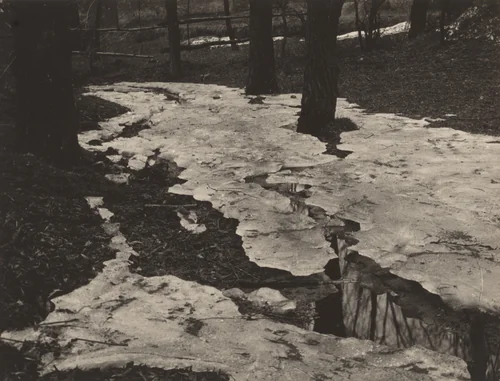
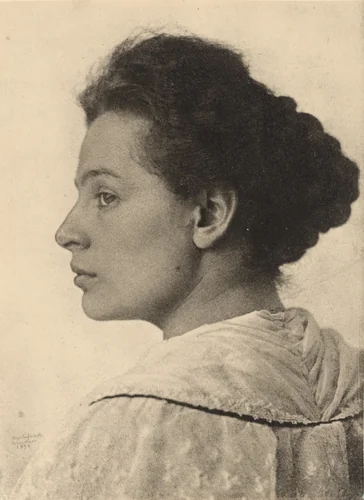
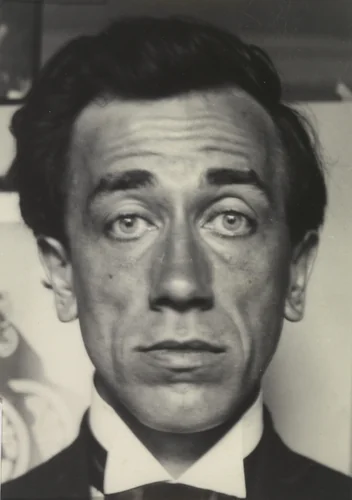
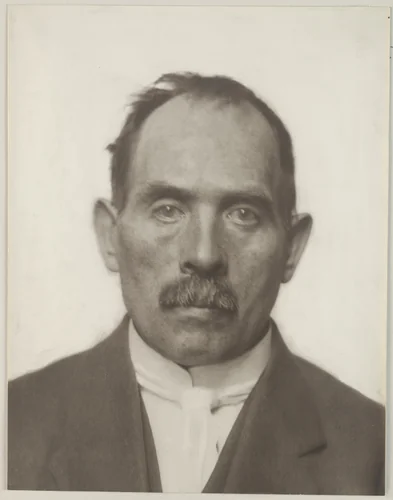
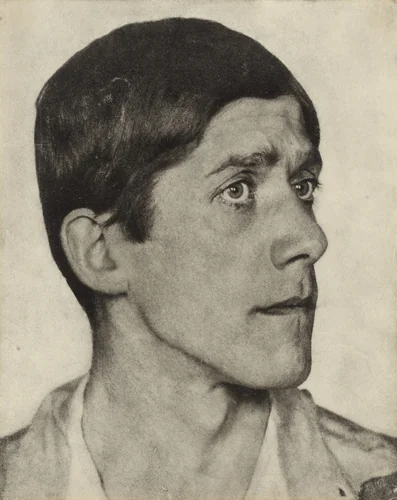
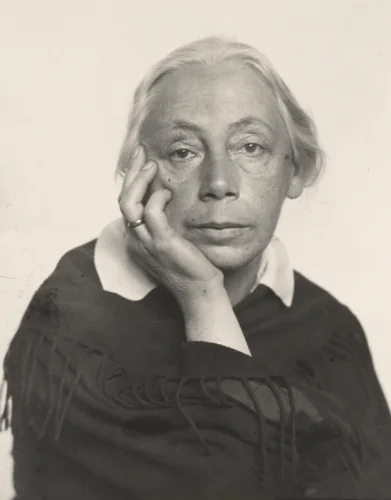
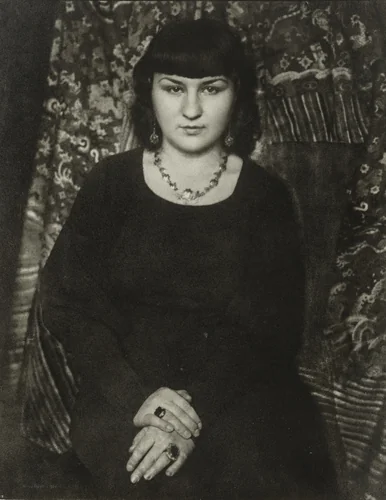
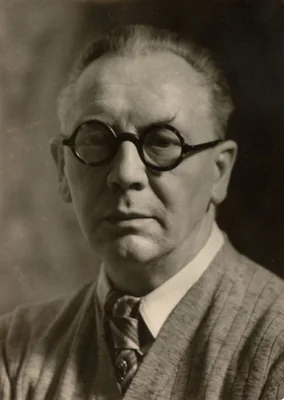
Erfurth’s most significant achievements lie in his comprehensive documentation of major artists and thinkers. His celebrated portraits of painter Lovis Corinth and Expressionist master Oskar Kokoschka are not simply likenesses; they are incisive biographical studies that chart the personalities driving the artistic movements of the era. This dedication to personality is equally evident in formal studies such as Wilhelm Claus. While recognized primarily for these celebrity sittings, Erfurth also exhibited considerable versatility, demonstrated by the moody atmospheric quality of works like Snowscape near Zinnwald and the restrained compositional elegance of Young Girl. A quiet observer throughout intense historical shifts, he meticulously maintained his studio until 1943, solidifying his role as a foundational figure in modern German photography.
The continuing significance of Erfurth's vision is reflected by the inclusion of his work in major institutions globally, including the collection of the Museum of Modern Art. Due to the era of their creation, many of Erfurth’s works have entered the public domain. This accessibility ensures that contemporary historians and enthusiasts can easily examine his artistry, with numerous images available as royalty-free downloadable artwork, allowing his sophisticated understanding of the human subject to influence new generations.
Source: Wikipedia · CC BY-SA 4.0