Hugh Clarke
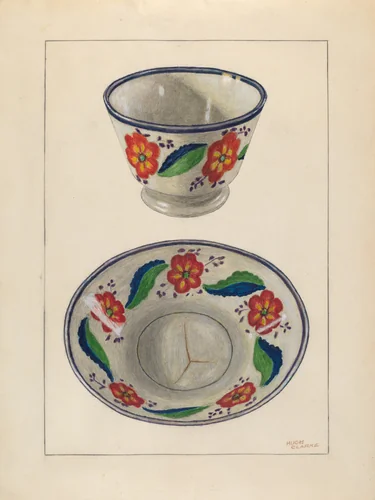
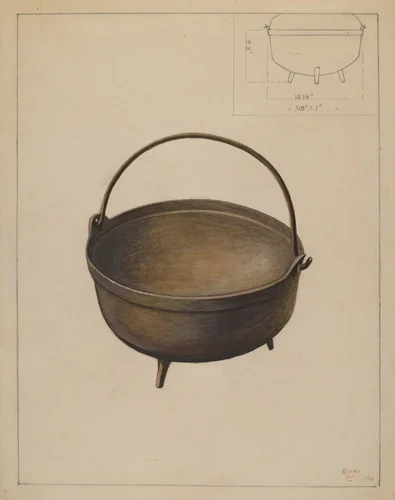
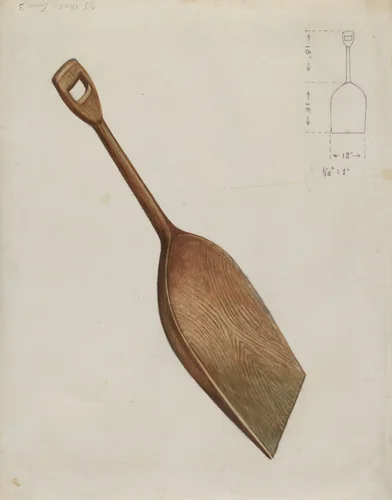
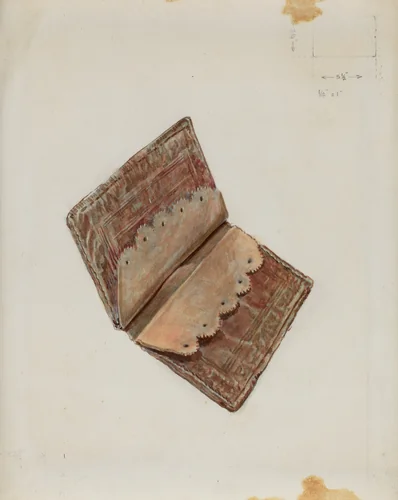
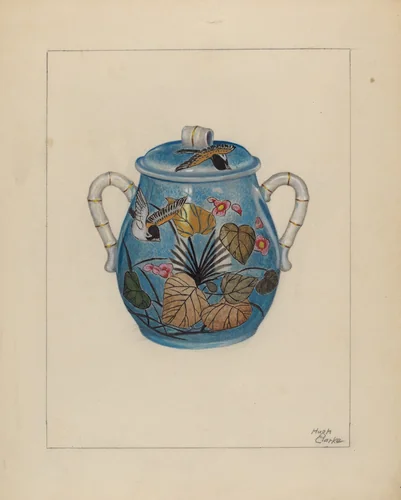
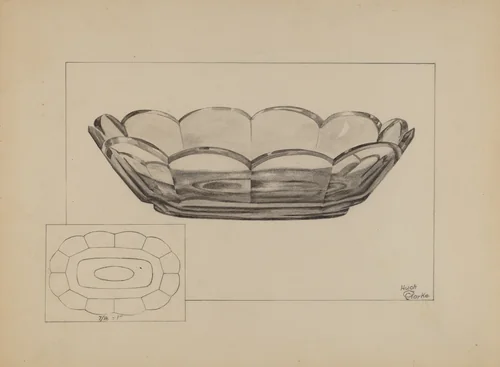
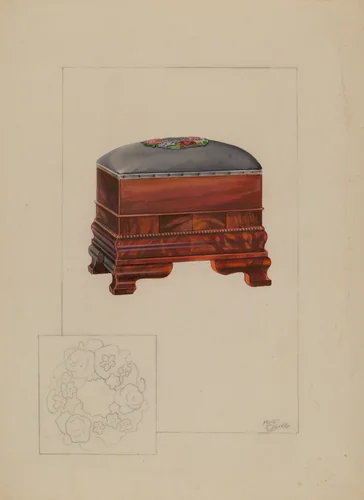
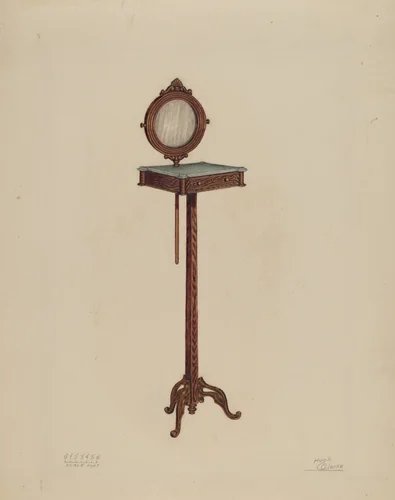
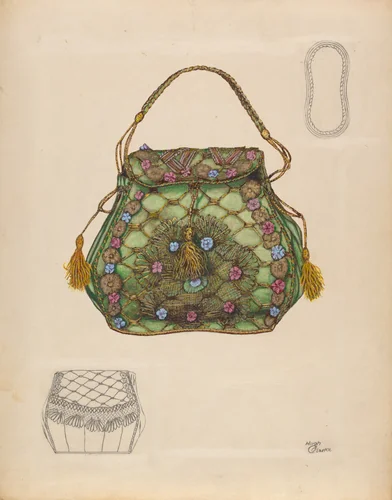
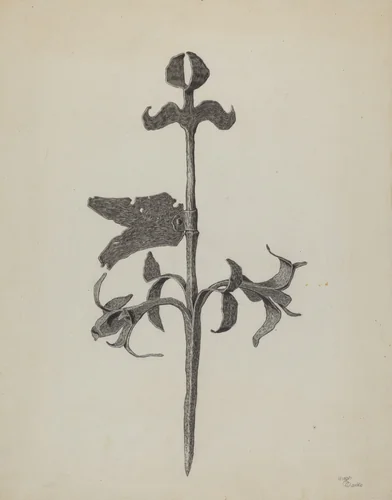
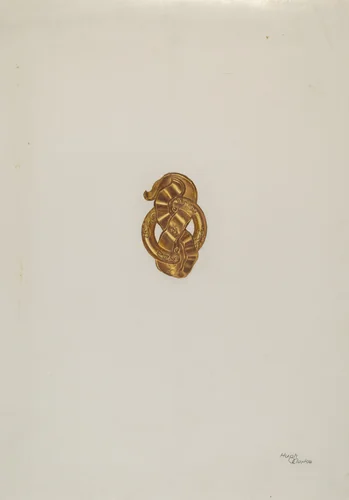
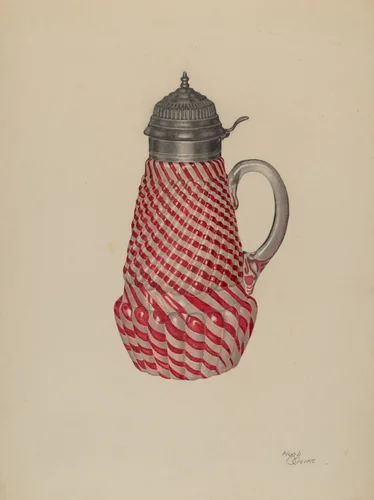
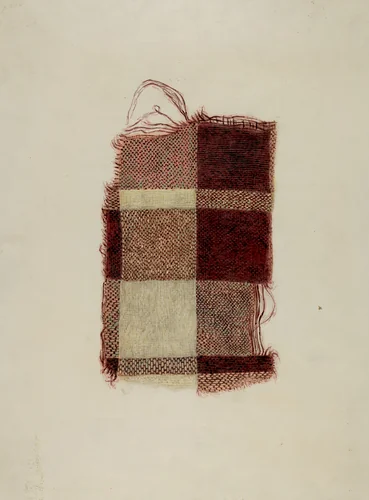
Hugh Clarke established his reputation through a focused, intensive period of contribution to the Index of American Design (IAD), one of the most ambitious artistic documentation projects initiated under the Federal Art Project during the Great Depression. Active primarily between 1935 and 1937, Clarke produced fifteen highly detailed plates that cataloged significant artifacts of early American domestic culture.
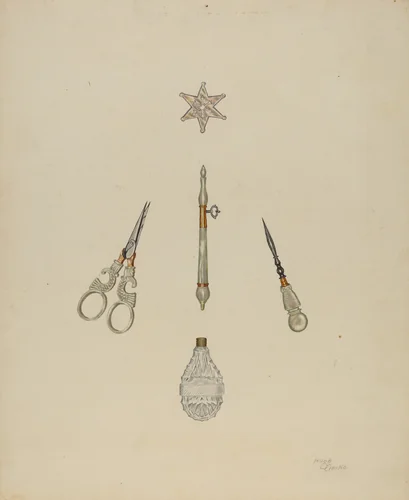
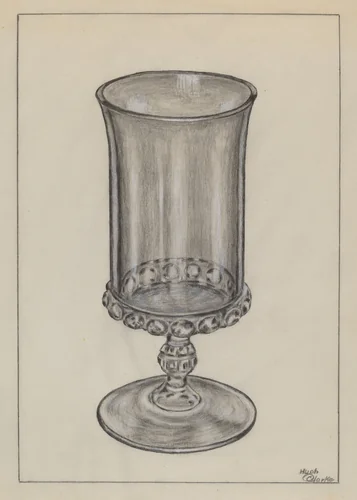
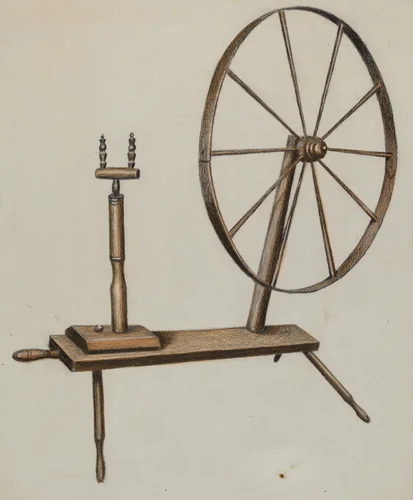
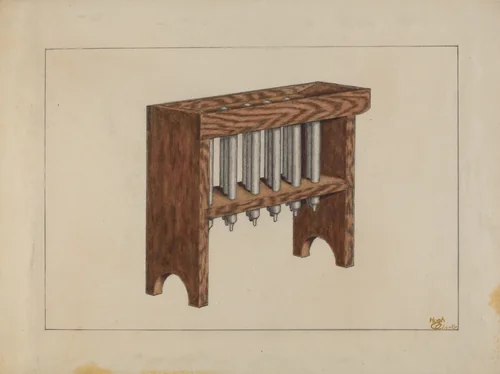
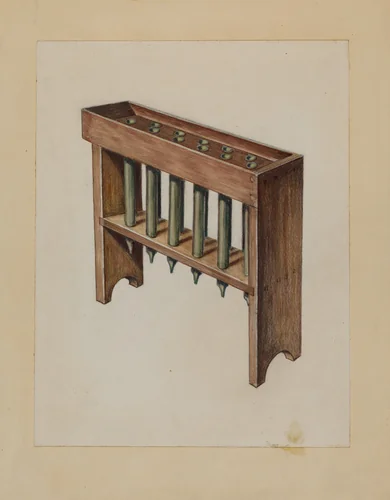
The mission of the IAD was inherently conservationist: to document, through meticulous graphic rendering, the unique decorative and folk arts heritage of the United States before such objects were lost or disintegrated. Clarke’s precise hand focused on objects of humble function and clear historical utility. His contributions include detailed drawings of the functional Candle Mold, studies of a distinctive Drinking Glass, and the more intricate documentation of a Boudoir Set. These assignments highlight the IAD’s commitment to recording material culture that often fell outside the traditional purview of fine art documentation. Clarke’s specific interest in mechanics and structure is further evidenced by his rendering of a Wheel, a study that emphasizes craftsmanship over purely aesthetic considerations.
Clarke was one of hundreds of artists employed to execute these plates, yet the enduring legacy of the entire IAD project rests on the consistency and high standard maintained by contributors like him. His fifteen documented designs now reside within the permanent collection of the National Gallery of Art, affirming the historical and artistic value of the IAD’s massive archive. This institutional preservation ensures that the precise, often painstaking documentation provided by Clarke remains accessible.
It is perhaps a subtle irony that while this specific Hugh Clarke dedicated his brief, intensive career to the meticulous preservation of anonymous craft, his historical identity is frequently intertwined with a multitude of public figures who shared his common name—including a respected Canadian composer and a prolific military historian. Nevertheless, his contribution is singularly defined by these museum-quality renderings. Today, these documentary plates serve as essential resources for scholars and designers; Clarke’s work is highly valued, ensuring that Hugh Clarke prints and original drawings, now part of the public domain, continue to circulate as high-quality prints, preserving the visual history of early American craft.