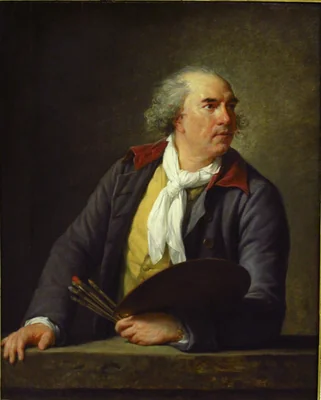
Hubert Robert
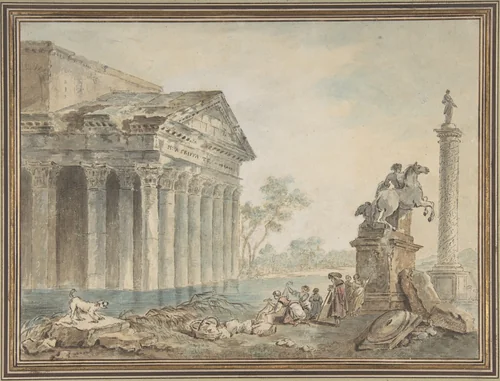
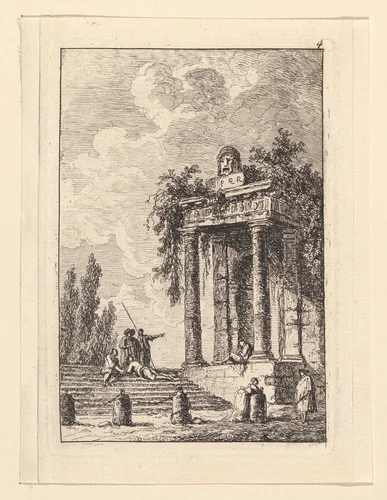
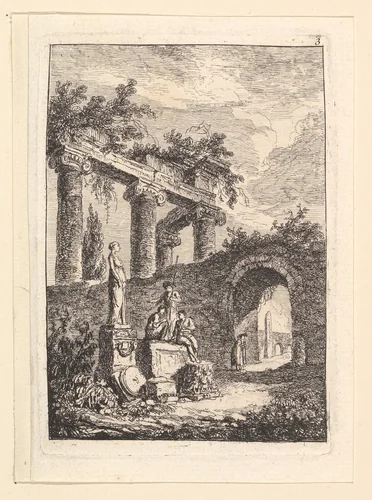
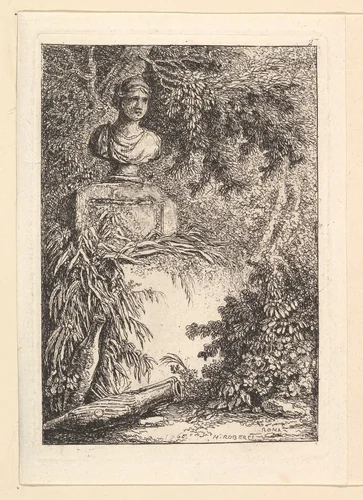
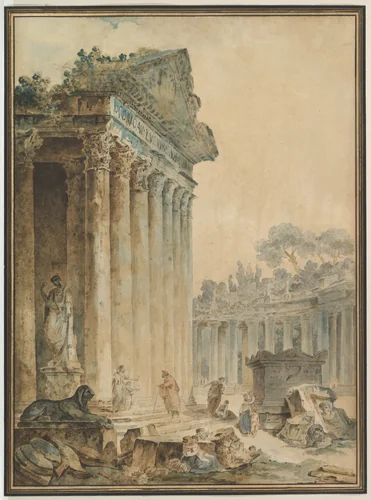
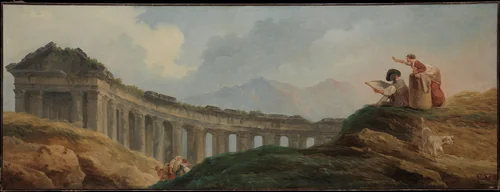
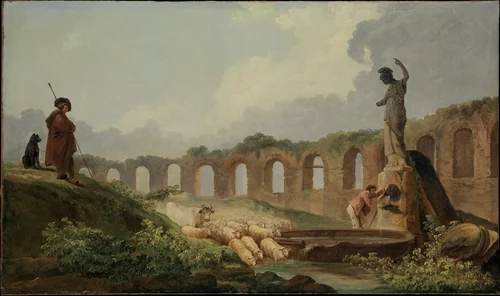
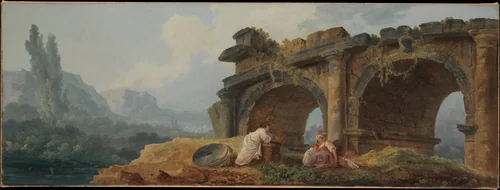
Hubert Robert (1700-1733) was a foundational figure in eighteenth-century French painting, whose singular vision bridged the picturesque tradition with the emerging sensibilities of Romanticism. Celebrated as the "painter of ruins," Robert specialized in the capriccio, a genre defined by imaginative and often semi-fictitious arrangements of classical ruins, monuments, and exotic architectural fragments. He spent his active career focusing intensely on creating these highly dramatic and atmospheric compositions, which established him as the preeminent visual chronicler of Italy’s fading classical grandeur.
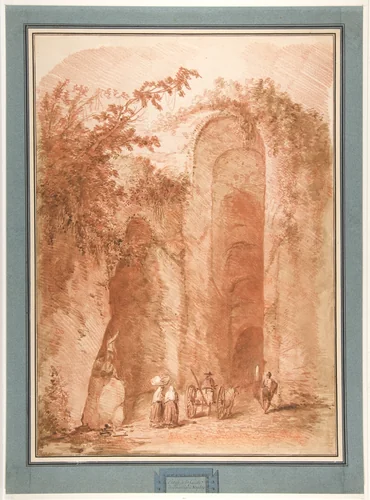
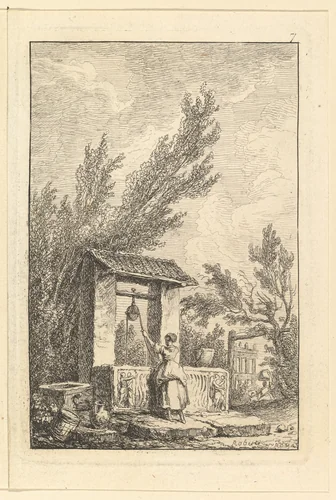
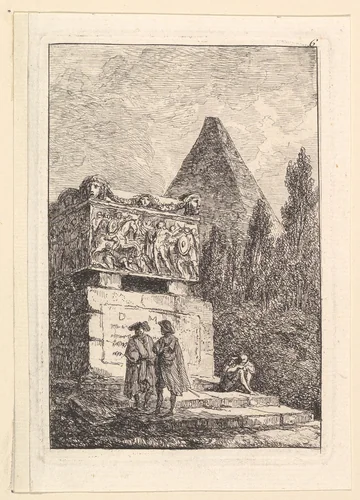
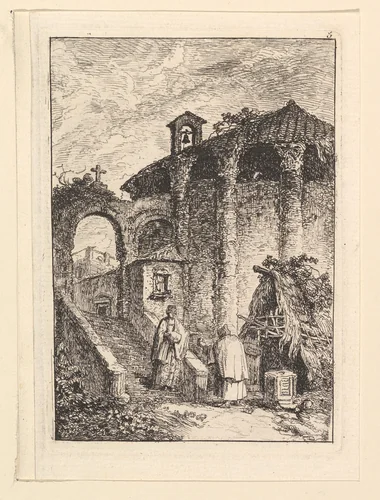
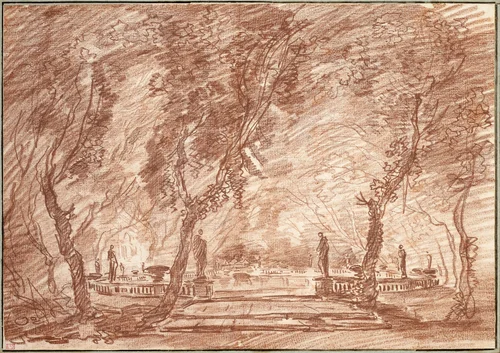
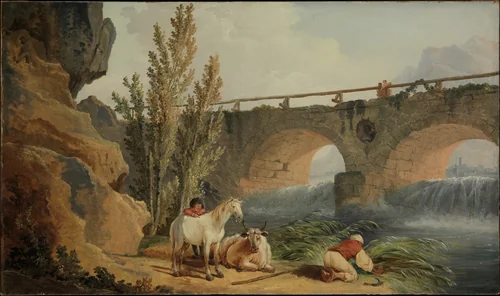
Robert’s aesthetic was innovative in its approach to landscape and historical decay. He rejected simple topographical accuracy in favor of compositions that manipulated light, scale, and vegetation to evoke profound emotion regarding the passage of time. Masterpieces like Gardens of the Villa Pamphili, Rome and Fantasy on an Ancient Campidoglio illustrate his signature technique: positioning small, lively figures engaged in daily tasks amidst colossal stone structures. This narrative device ensures that his ruins never feel utterly desolate, but rather suggest an intimate, enduring dialogue between ephemeral human existence and monumental history.
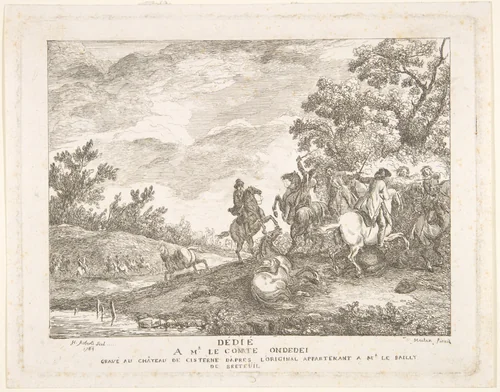
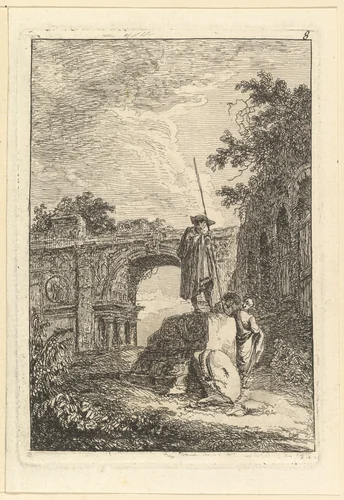
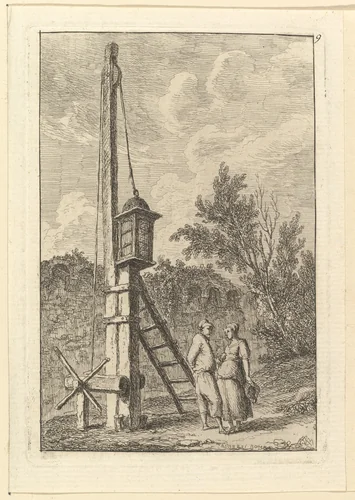
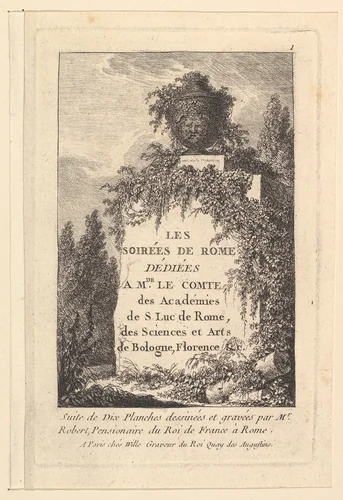
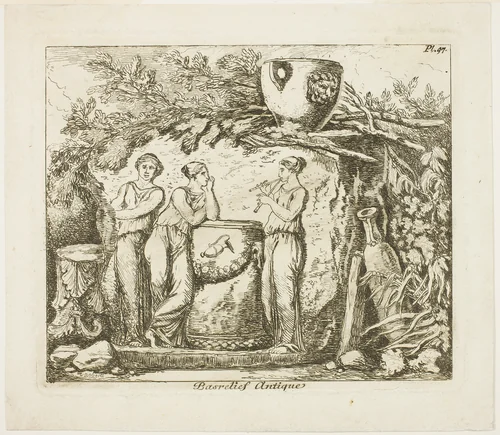
Active for over three decades, Robert left behind a substantial body of work encompassing paintings, drawings, and numerous etchings. His dedication to graphic arts meant that his works circulated widely, even reaching a broader audience who enjoyed owning high-quality prints derived from his originals. His style profoundly influenced subsequent generations of French and European artists seeking the sublime in nature and history.
Today, Robert’s work is held in major international collections, including the Metropolitan Museum of Art and the National Gallery of Art. The meticulous detail found in his preparatory studies, such as the intimate views captured in Couple by a Fountain and Courtyard of the Villa Pliniana, allows scholars deep insight into his creative process. Given the historical breadth of his output, many of his striking compositions are now in the public domain, ensuring that this unique perspective on classical decline remains highly visible and available for continuous study.
Source: Wikipedia · CC BY-SA 4.0