Hua Yan
Hua Yan (華嵒, c. 1682-1756) was among the most influential and technically innovative Chinese painters active during the height of the Qing Dynasty. Born in Shanghang, Fujian province, Yan spent significant time in the cosmopolitan center of Yangzhou and later in Hangzhou, becoming a central figure in the expressive counter-movement known as the Yangzhou school. His long active period, roughly 1705 to 1745, marked him as a pivotal artist who moved traditional landscape and figure painting toward greater individualistic expression.
Yan’s artistic identity is deeply connected to the designation as one of the Eight Eccentrics of Yangzhou. This loose affiliation comprised artists who consciously rejected the orthodox styles favored by the court and literati elite, instead prioritizing spontaneous brushwork, unconventional composition, and personal feeling. Unlike some of his peers who favored overtly dramatic strokes, Yan often balanced eccentricity with elegant refinement. His use of multiple courtesy names and sobriquets, such as Xinluo Shanren (Man of Xinluo Mountain) and Dong Yuan Sheng, emphasizes his restless and highly personal approach to art.
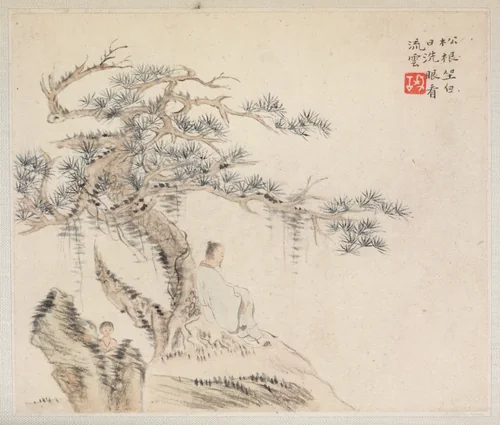
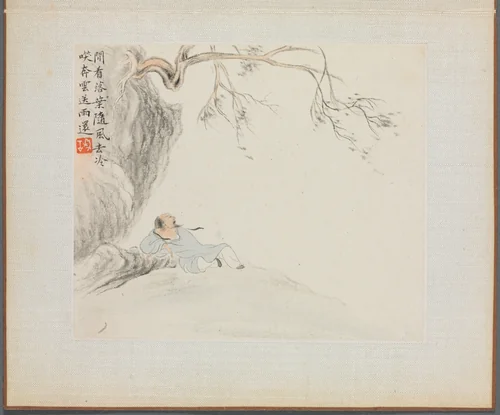
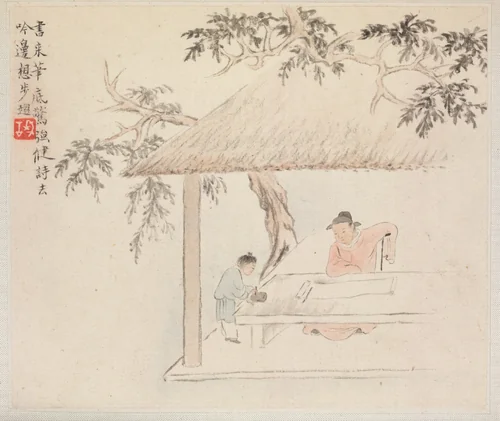
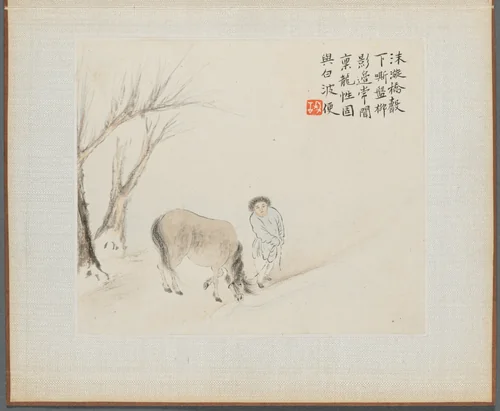
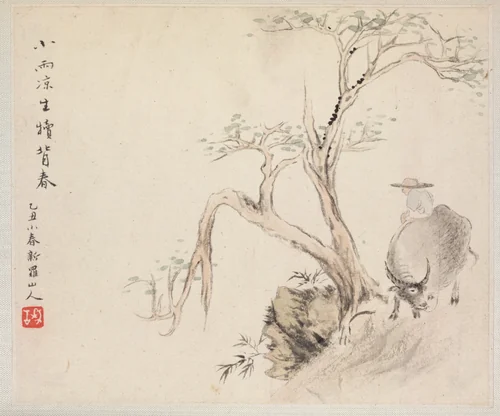
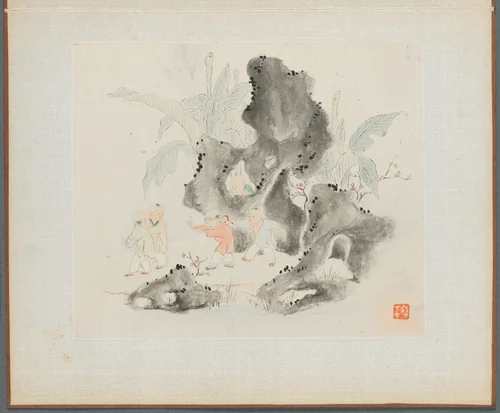
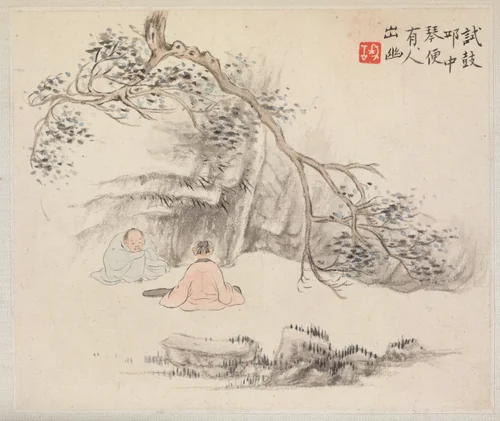
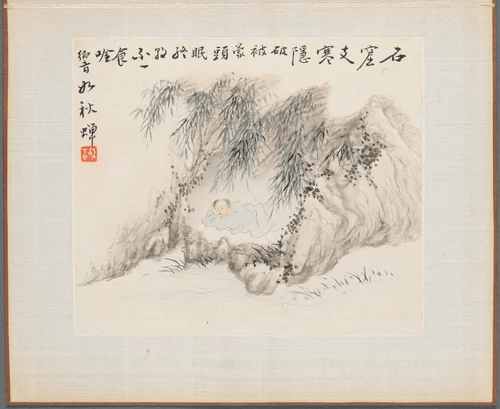
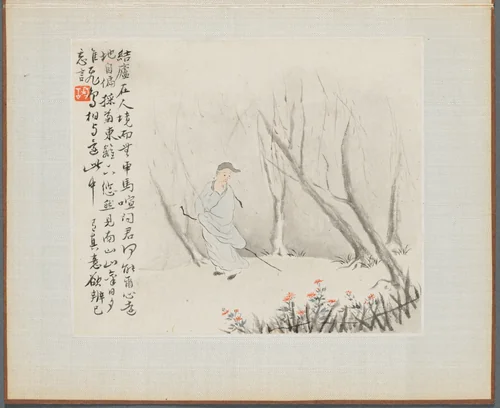
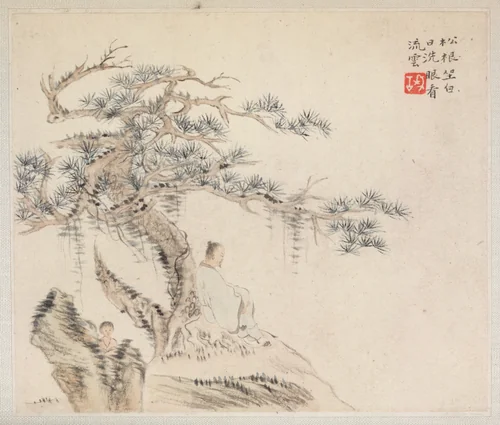
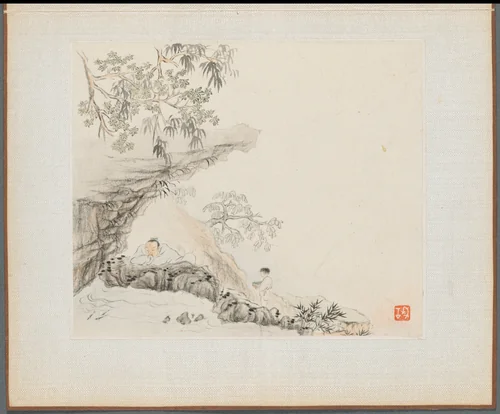
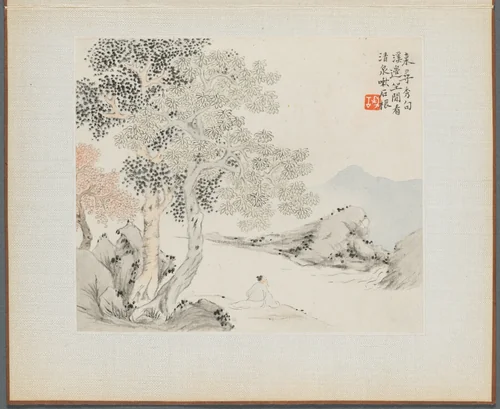
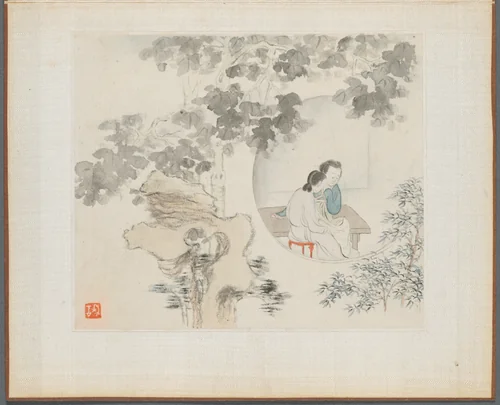
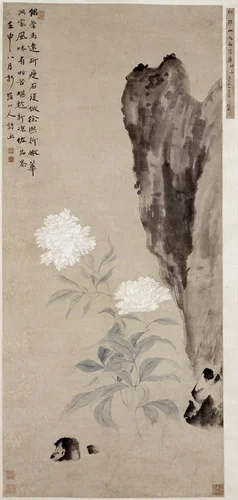
His body of work, though relatively modest in surviving major pieces, showcases a mastery across various genres, including detailed bird-and-flower subjects alongside atmospheric landscapes. His figure studies often capture moments of scholarly introspection and contemplation, illuminating the relationship between the educated elite and natural retreat. This theme is readily apparent in the delicate album leaves comprising the Album of Landscape Paintings Illustrating Old Poems, which includes specific scenes like A Scholar at a Table with a Servant aside Preparing the Ink and A Man Reclining and Enjoying the View. These Hua Yan paintings are recognized for their subtle humor and light touch.
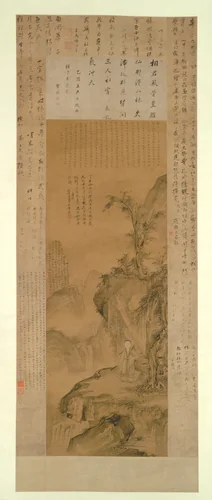
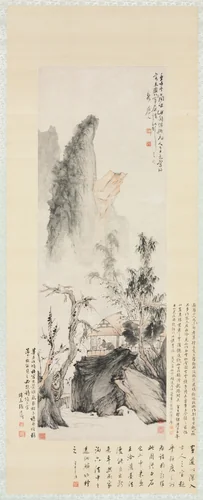
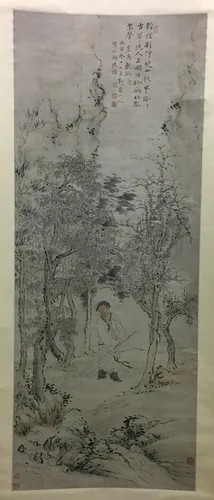
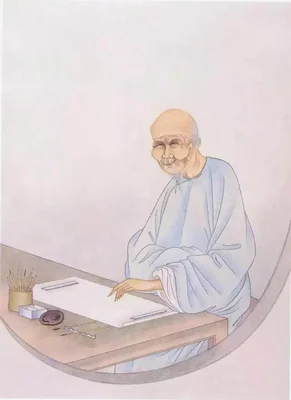
Yan excelled at infusing dynamic energy into established formats. Works such as Layered Peaks and Splashing Waterfall: Portrait of Hua Yan as a Young Man demonstrate his technical dexterity in capturing rapid movement and atmospheric texture. His enduring popularity ensured his place in prominent collections, including the Cleveland Museum of Art. Today, the enduring quality of his draftsmanship is accessible through museum collections globally, with many resources providing high-quality prints for study, maintaining his legacy as a transitional master of the Qing period. It is worth noting that for an artist so dedicated to the theme of poetic seclusion and retreat, he managed to conduct his highly successful career primarily within the bustling commercial environment of Yangzhou, proving that artistic eccentricity and worldly success were not mutually exclusive.
Source: Wikipedia · CC BY-SA 4.0