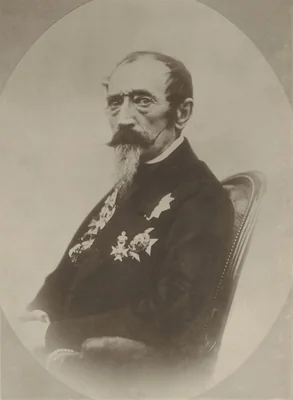
Horace Vernet
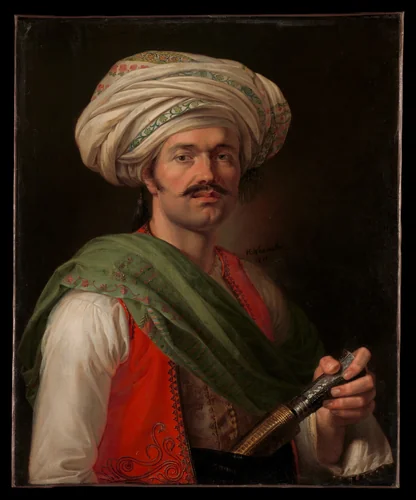
Émile Jean-Horace Vernet was a prolific and highly successful French painter, occupying a significant position in the transitional period between late Neoclassicism and early Realism in the 19th century. Primarily known for his expansive battle scenes, precise portraits, and notable engagement with Orientalism, Vernet captured the shifting political and martial landscape of France from the Napoleonic era through the July Monarchy. His artistic practice, characterized by both technical skill and commercial acumen, ensured a steady stream of commissions from royal patrons and the viewing public alike.
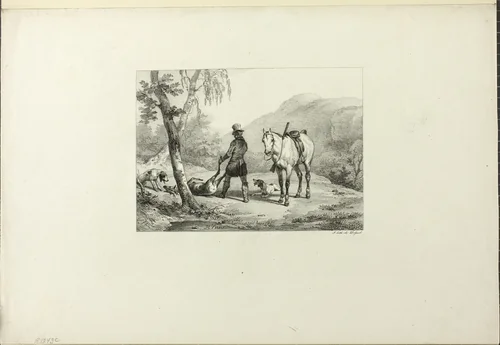
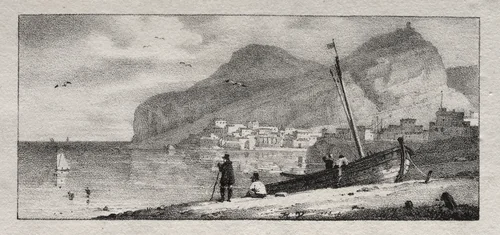
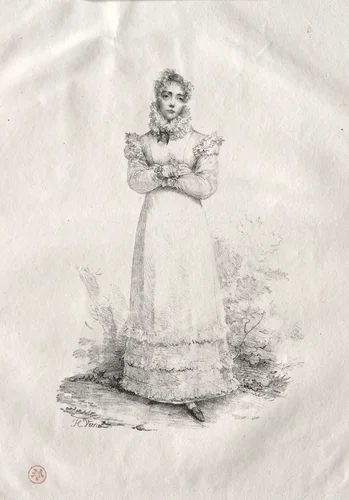
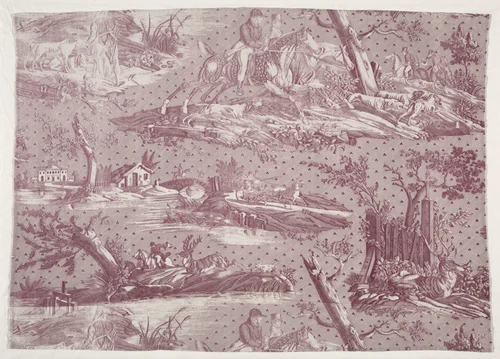
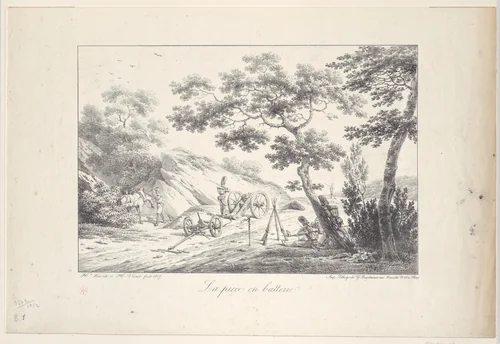
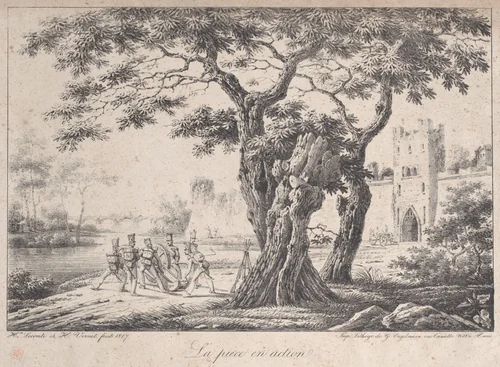
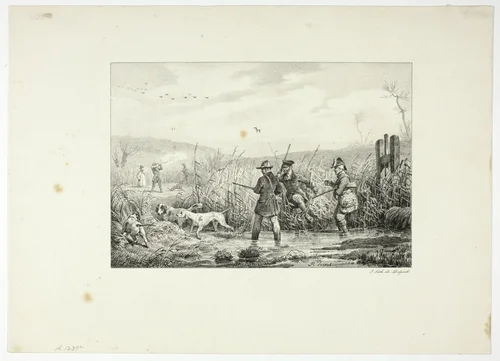
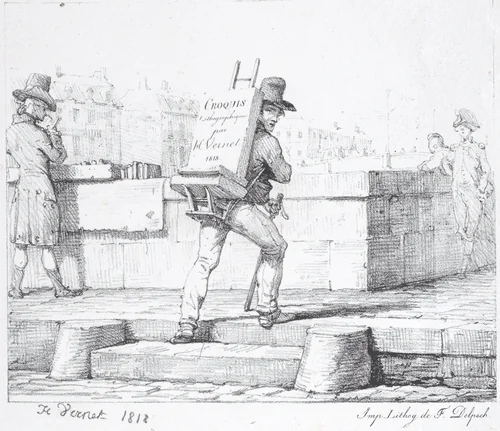
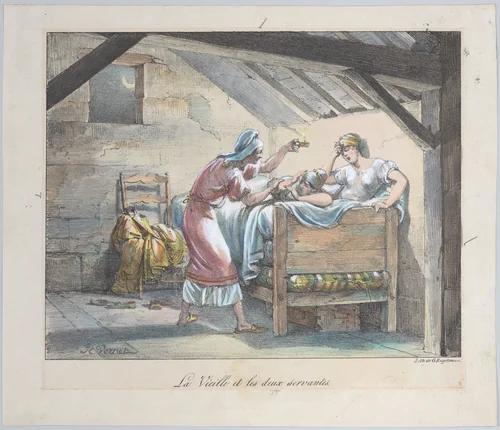
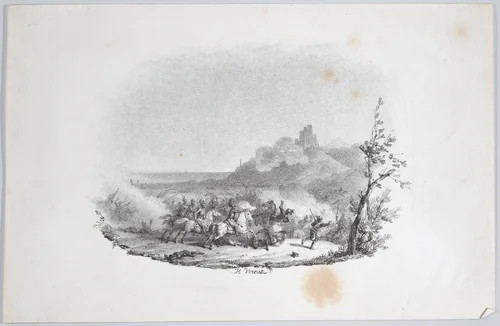
Vernet possessed a remarkable ability to imbue military subjects with immediate drama while maintaining rigorous attention to anecdotal detail, a trait evident even in his early graphic work dating to the late 18th and early 19th centuries, such as the print Artilleryman Lighting a Mine. He excelled across diverse media; institutional records reflect his versatility, listing 11 prints, 3 drawings, and a textile work, alongside his recognized body of Horace Vernet paintings. While often focused on classical heroism, he was equally adept at capturing the grim realities of conflict and scenes of social marginalization, exemplified by the potent imagery of Les Forçats (The Convicts).
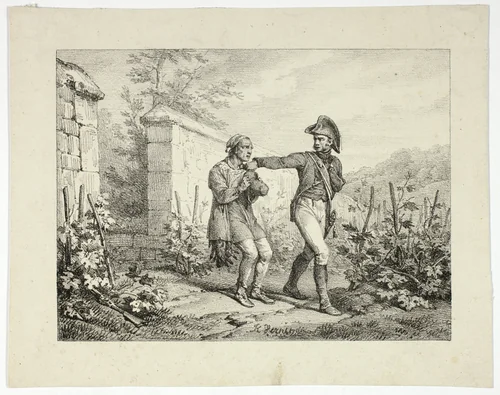
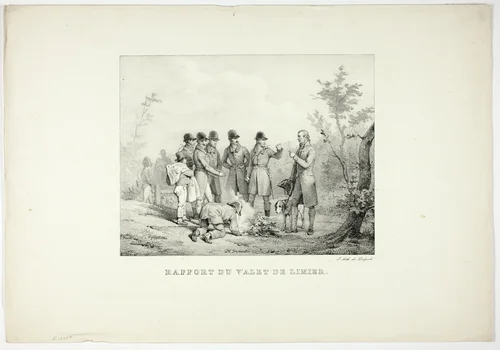
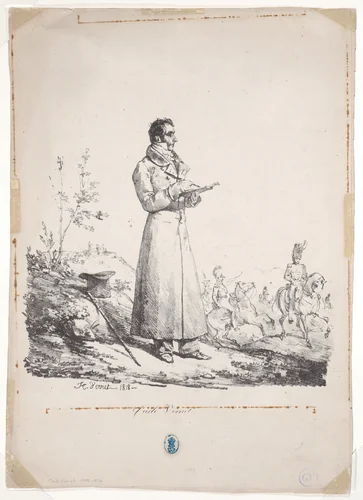
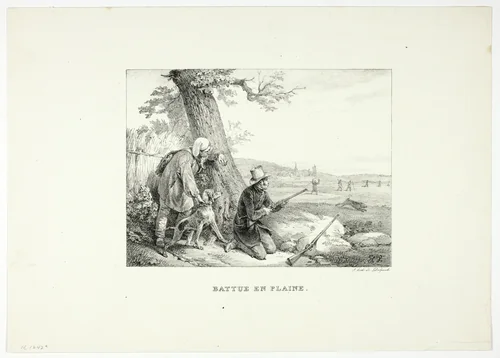
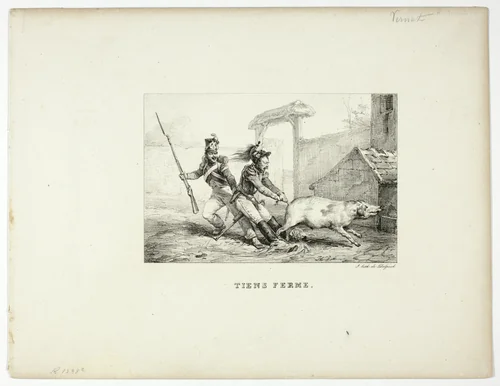
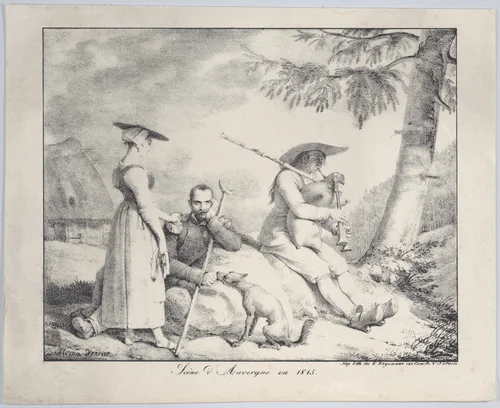
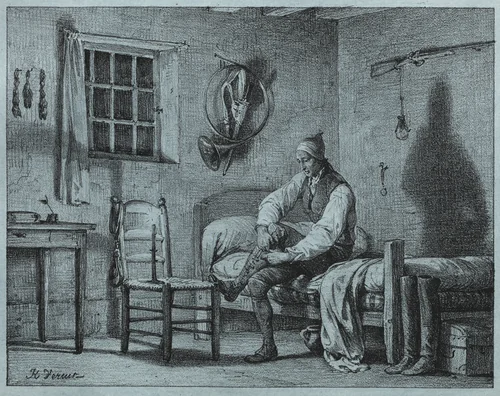
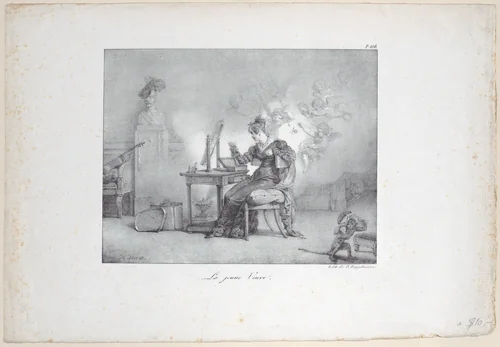
The artist had a famously swift hand, often painting with such rapidity that contemporary critics sometimes mistook quick execution for superficiality, though his enduring technical command is undeniable. Portraits such as Le General Comte Sebastiani demonstrate his skill in quickly capturing the sitter’s character and status with effortless authority. The breadth of his genre scenes, ranging from the domestic tension of La Reconciliation to the soldier's oath in Gredin de Sort!…, attests to his mastery of narrative illustration.
Today, the enduring interest in his work, particularly his military studies and genre pieces, makes his extensive output highly relevant to historians and collectors. Many of these important historical images, originally created for aristocratic or state clients, are available as museum-quality resources through institutions like the Rijksmuseum and the Metropolitan Museum of Art. The accessibility of high-quality prints means that studying the compositional nuances of Vernet’s dynamic style is easier than ever, furthering the appreciation of this influential master whose works, now in the public domain, continue to inform our understanding of 19th-century visual culture.
Source: Wikipedia · CC BY-SA 4.0