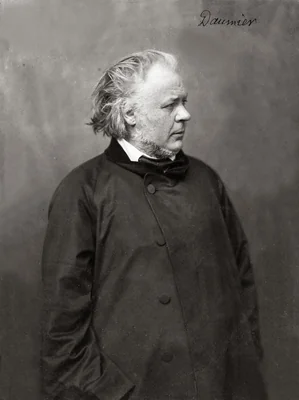
Honoré Daumier
Honoré-Victorin Daumier (1808-1879) stands as one of the nineteenth century’s most incisive and prolific social commentators. Working across painting, sculpture, and primarily printmaking, he documented four decades of French life, spanning the Revolution of 1830 through the decline of the Second Empire in 1870. His immense output of lithographs provides an unparalleled historical record, offering candid, often scathing, insight into contemporary politics, morality, and social pretense.
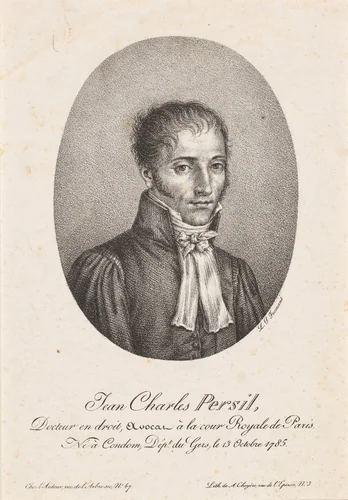
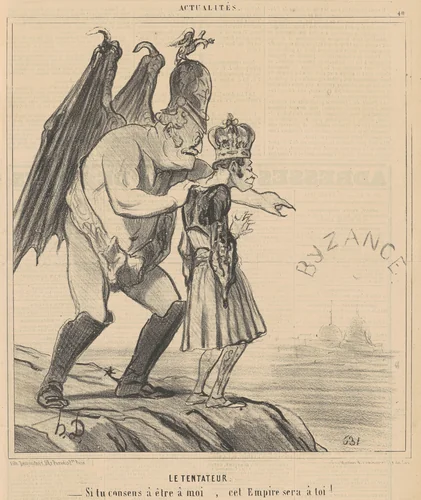
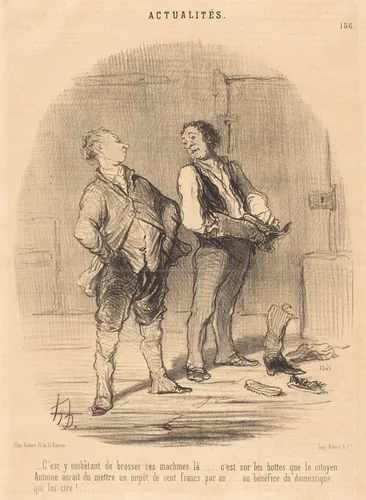
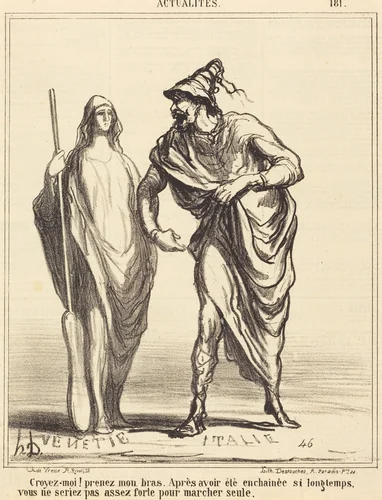
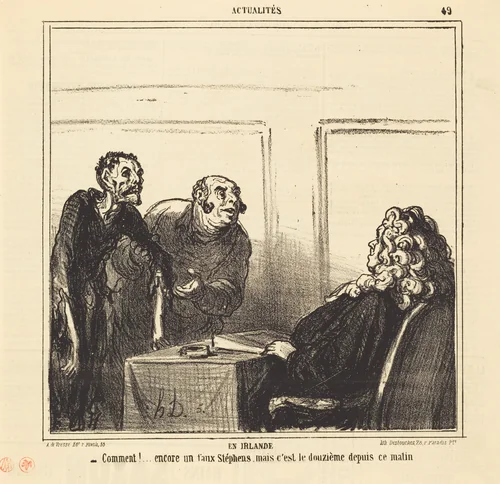
Daumier earned his living primarily as a journalistic illustrator, contributing thousands of satirical prints and cartoons to influential periodicals like La Caricature and Le Charivari. This immersion in popular media, rather than reliance on the formal exhibition circuit, cemented his immediate notoriety. A staunch republican democrat, Daumier deployed his highly sophisticated wit with relentless precision, targeting the entire hierarchical structure of French society. He spared no institution: the monarchy, the avaricious bourgeoisie, the complacent clergy, and particularly the labyrinthine judiciary became recurring subjects of ridicule, seen clearly in works like Jean Charles Persil and La tentateur. Through these widely circulated publications, he established the political cartoon as a major force in public discourse.
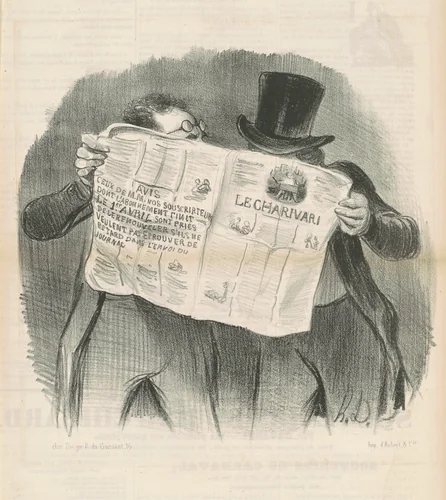
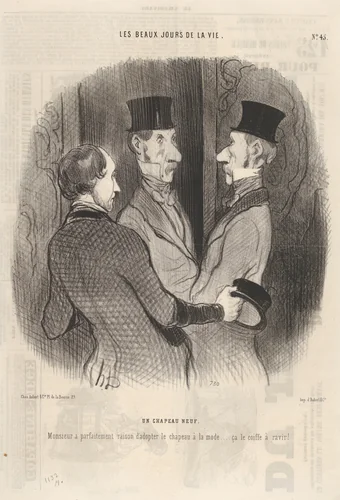
However, Daumier reserved some of his sharpest observations not for the transient actions of politicians, but for the inherent, universal flaws of human nature itself, captured beautifully in domestic and street scenes such as Le lecture du charivari and A New Hat, plate 45 from "The Best Days in Life".
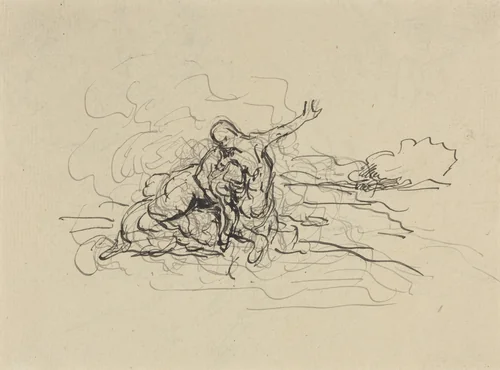
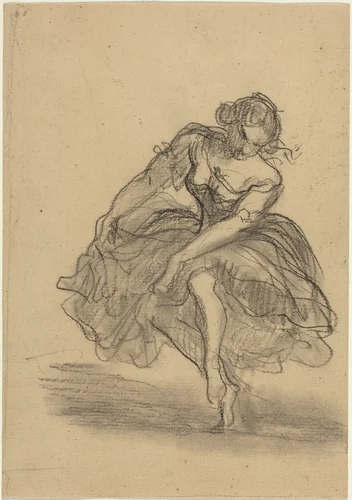
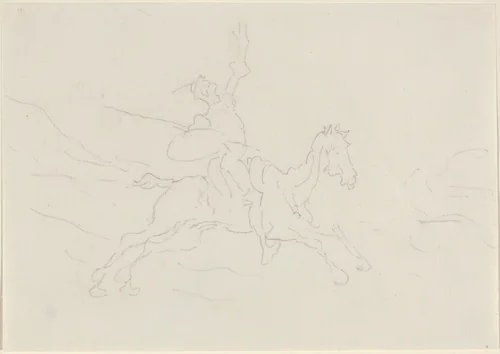
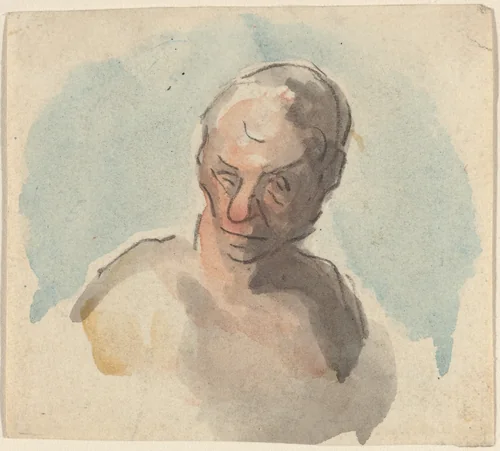
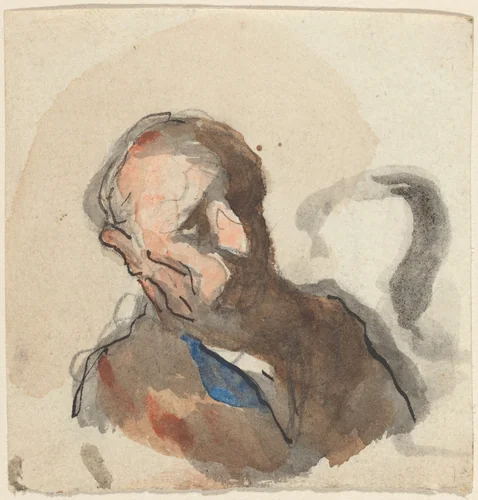
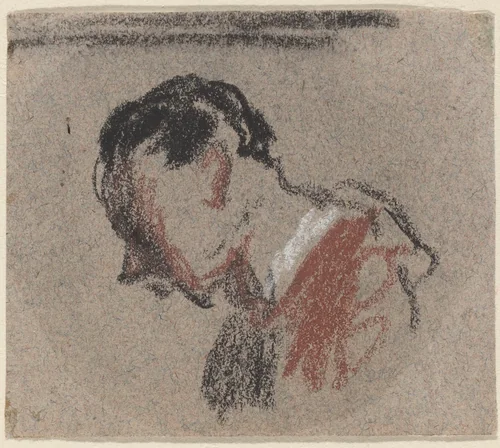
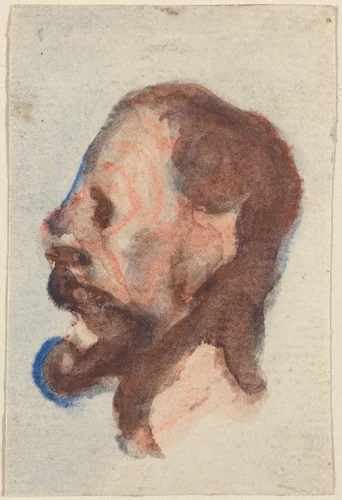
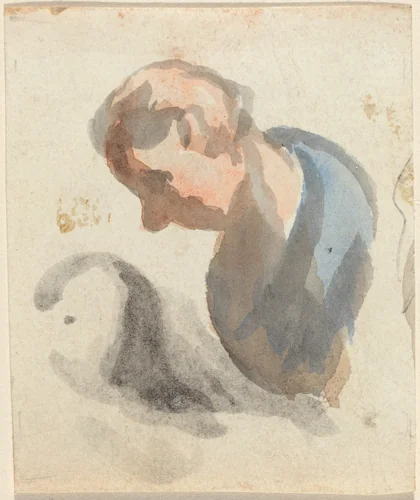
Though widely celebrated in his lifetime for his journalistic prowess, Daumier’s technical mastery ensured his enduring relevance far beyond mere topical commentary. His innovative handling of lithography elevated the medium from a commercial tool to a powerful artistic voice. His draftsmanship is today highly valued, with Honoré Daumier prints and drawings housed in major institutions globally, including the Metropolitan Museum of Art and the National Gallery of Art. Because of the age and provenance of these works, high-quality prints and related materials are often in the public domain, ensuring this critical artistic legacy remains accessible to new generations of scholars and viewers.
Source: Wikipedia · CC BY-SA 4.0