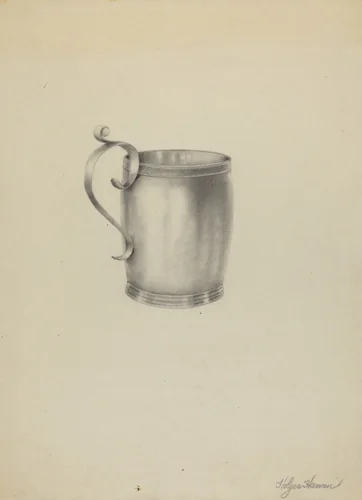
Holger Hansen
Holger Hansen (1929-2015) was a seminal figure in Danish public life, known for his unique trajectory that spanned agricultural science, jurisprudence, and high-level national governance before culminating in a distinguished academic career. Initially trained as an agronomist, Hansen’s multidisciplinary intellect quickly drew him toward law, providing the rigorous foundation for his political entry.
A committed member of the Venstre party, Hansen served critical roles in the cabinet of Poul Hartling, holding the portfolios of Minister of Environment and Minister of Greenland from 1973 to 1975. His tenure was characterized by a meticulous, jurist’s attention to detail in managing complex policy issues involving sustainability and autonomous regional administration. This precise methodology, honed in government, would later define his substantial contributions to scholarly documentation.
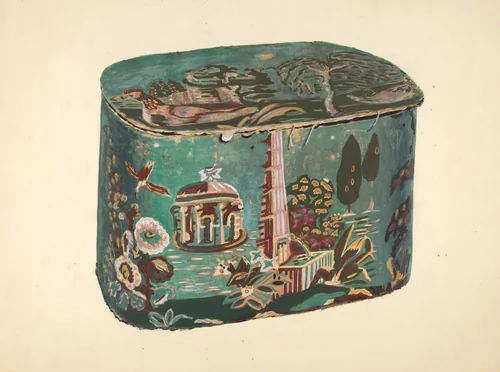
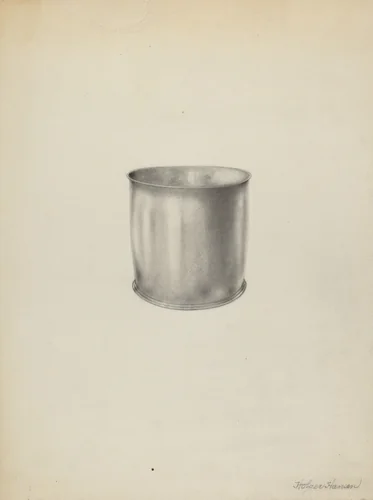
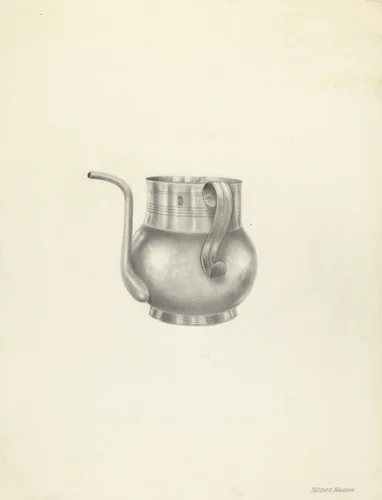
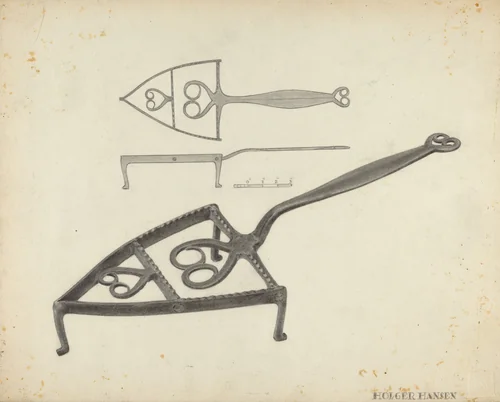
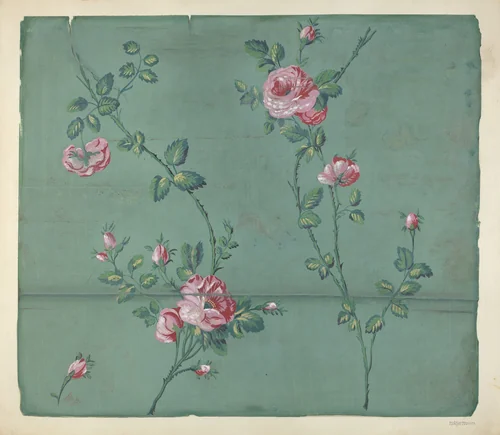
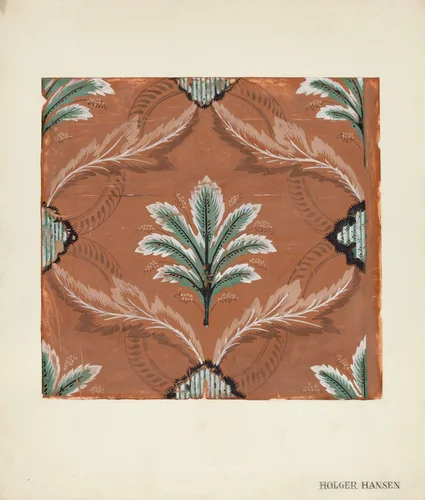
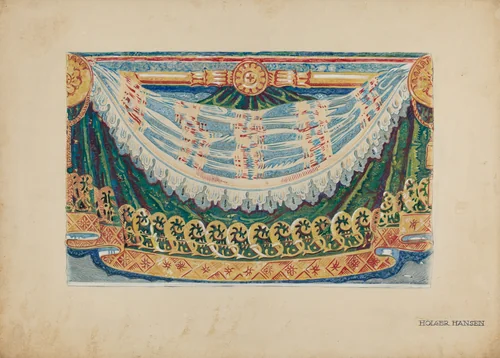
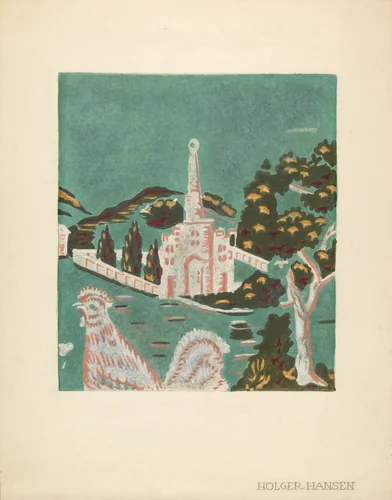
After retiring from active politics, Hansen transitioned seamlessly into the university setting, focusing his expertise on the study of legal structure as applied to material culture and historical design. It is through this rigorous academic lens that his work intersected with the visual arts. Hansen’s primary contribution in this area lies in his methodical cataloging efforts, specifically those relating to the 15 index of american designs.
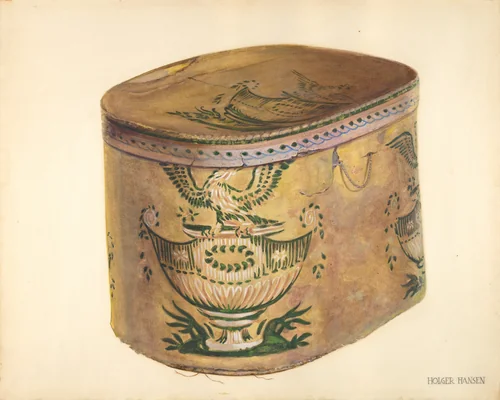
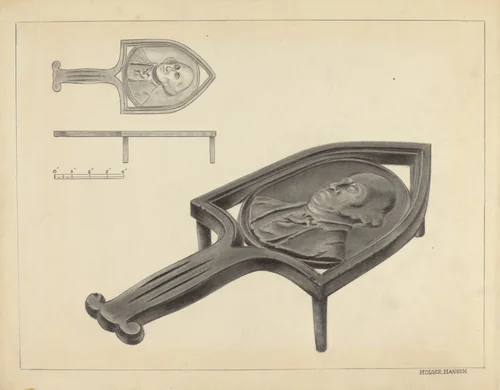
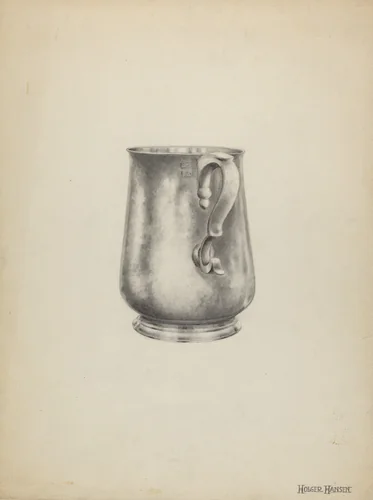
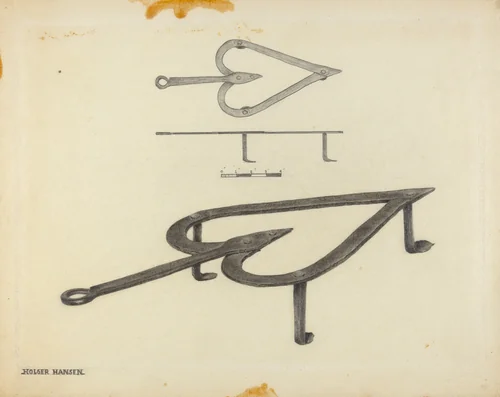
This scholarly undertaking documented the minutiae of functional objects, meticulously recording the evolution of items such as the Candlestick, the Silver Caster, the Silver Mug, and various forms of the Spoon and Bandbox. The transition from managing the environmental policy of an entire nation to cataloging historical silverware offers an understated observation about the Danish commitment to systematic scrutiny: every detail, whether geopolitical or domestic, warranted exhaustive documentation.
Though there are no traditional Holger Hansen paintings, the enduring value of his archival work is housed in major institutions, including the National Gallery of Art. His indexes ensure that these historical design specifications are preserved in the public domain, providing a source for downloadable artwork and high-quality prints for researchers globally. Scholars frequently rely on his methodology to access royalty-free material, securing his legacy not only as a political steward but also as a fundamental conservator of detailed, museum-quality records of American decorative arts.
Source: Wikipedia · CC BY-SA 4.0