Hippolyte Bayard
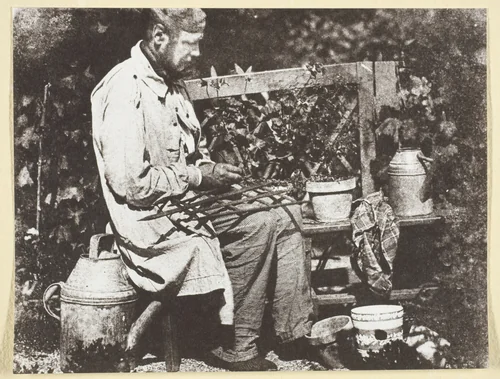
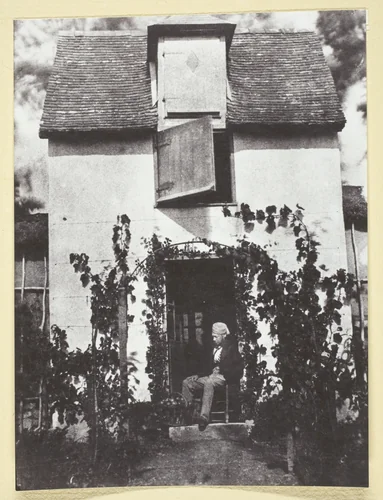
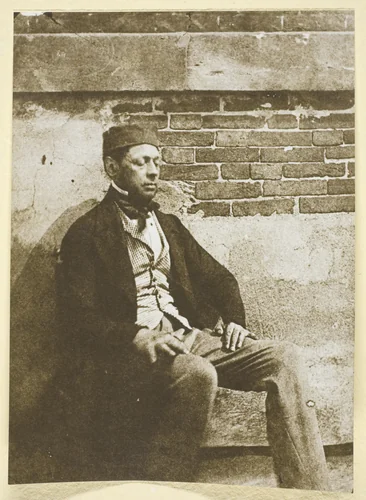
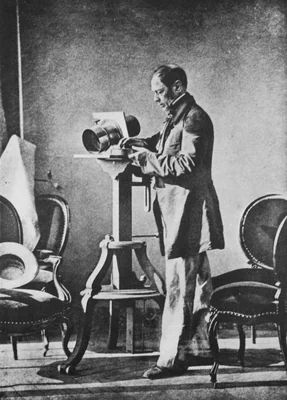
Hippolyte Bayard (1801-1887) was a pivotal French inventor and photographer whose unique direct positive printing process marks him as a foundational, if sometimes overlooked, pioneer in the history of the medium. Working independently in the late 1830s, Bayard developed a chemical method that produced a unique positive image directly on paper, circumventing the need for a negative. This distinct technical innovation allowed for immediate viewing of the camera-captured image, placing him at the forefront of the technological race to fix a light-drawn picture.
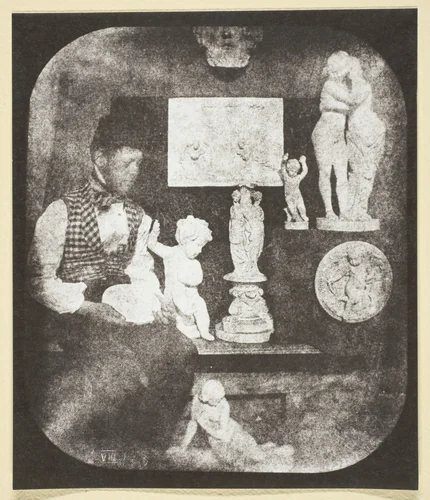
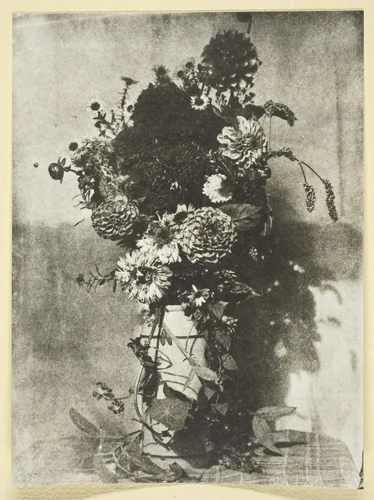
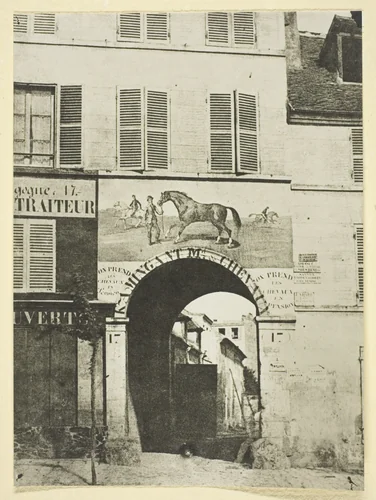
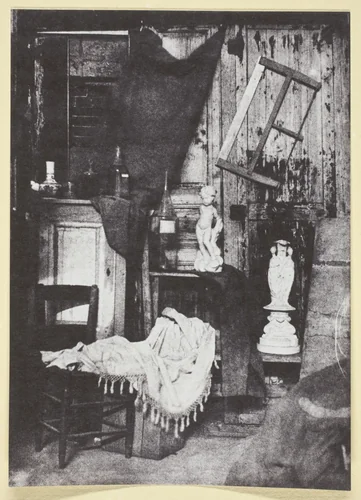
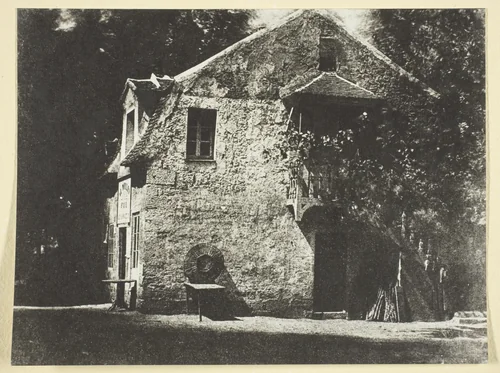
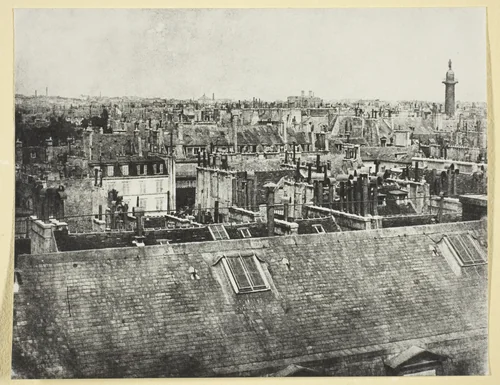
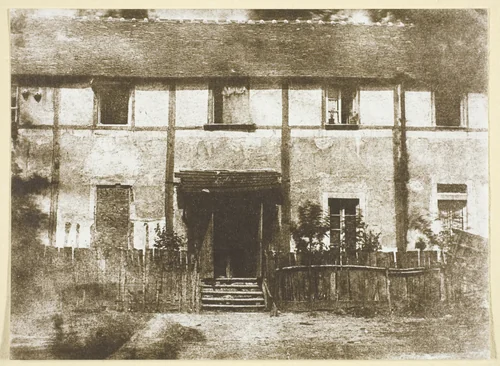
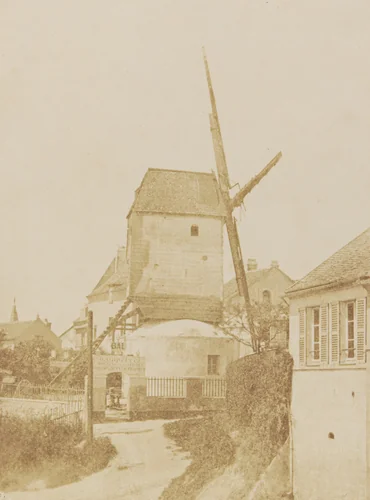
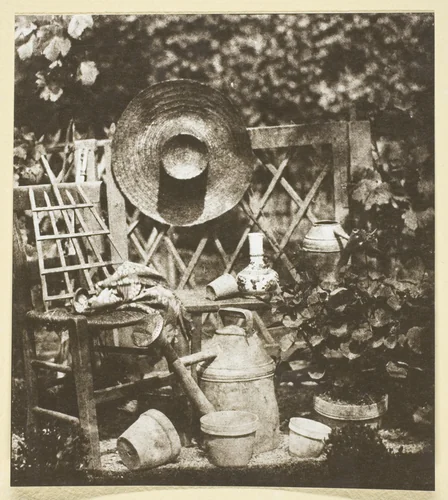
Bayard formalized his invention just as the public debate surrounding photography accelerated across Europe. On June 24, 1839, he mounted the world’s first public exhibition of photographs, displaying approximately thirty images to the Société d'Encouragement pour l'Industrie Nationale. This seminal event confirmed the rapid viability of photography and predated many of the medium’s significant initial presentations. His active period, roughly 1837-1842, yielded highly fragile, unique images, including early architectural studies like [Windmills, Montmartre] and detailed still lifes such as Composition au chapeau.
Bayard remains historically notable for his claim to priority, asserting that his method was developed earlier than both the celebrated Daguerreotype process of Louis-Jacques Mandé Daguerre in France and the salted paper processes pioneered by William Henry Fox Talbot in England. While Daguerre and Talbot ultimately secured the traditional historical credit, Bayard’s frustration at the lack of official recognition led to a remarkably witty and macabre protest. He produced the Self-Portrait as a Drowned Man (c. 1840), an early piece of conceptual performance art showing Bayard lying "dead" in the water, purportedly having committed suicide due to official neglect—a masterful piece of visual satire aimed squarely at the politics of invention.
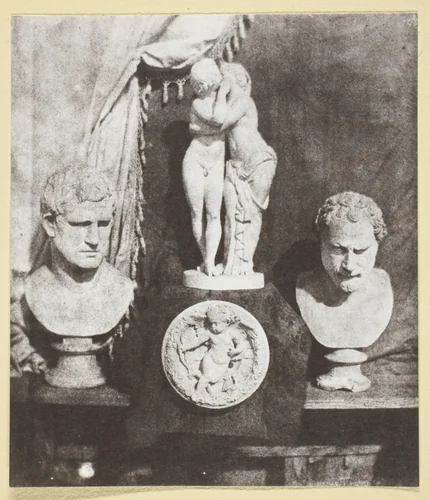
The importance of Bayard's unique contributions is fully recognized today. His surviving body of work, though small, is held in major international institutions including the Metropolitan Museum of Art and the Art Institute of Chicago. These fragile, early prints, often relating to classical studies like [Classical Head in Profile], are considered vital documents of photographic origin. Due to their historical significance, many of these works are in the public domain, allowing museums to provide access to high-quality prints and downloadable artwork for study and appreciation worldwide.
Source: Wikipedia · CC BY-SA 4.0
![[Classical Head in Profile] by Hippolyte Bayard, photograph, 1839](https://img.artbee.org/d80e6050-bf9b-4142-87e3-2480dbdd4e3e/small.webp)
![[Classical Head] by Hippolyte Bayard, photograph, 1839](https://img.artbee.org/fe1f1552-9d8d-443d-9d0c-22773bd79463/small.webp)
![[Windmills, Montmartre] by Hippolyte Bayard, photograph, 1839](https://img.artbee.org/d26bf055-cb8a-4542-99df-fe22f827f25d/small.webp)