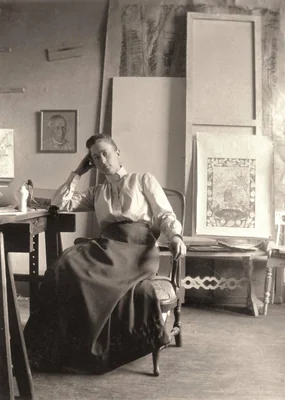
Hilma af Klint
Hilma af Klint was a Swedish artist and visionary whose radical pursuit of non-objective painting fundamentally rewrote the chronology of modernism. Her output of purely abstract compositions, rooted in spiritual inquiry rather than formal experimentation, often predates the historically canonized breakthrough works by Wassily Kandinsky, Kazimir Malevich, and Piet Mondrian. This historical displacement ensures af Klint’s position as a critical precursor of the Abstract movement.
Af Klint’s rigorous artistic practice was driven by profound metaphysical beliefs. She was a dedicated member of "The Five" a private circle of women inspired by Theosophy who utilized séances and mediumistic contact to seek guidance from the so-called "High Masters." These sessions served not only as spiritual quests but as the direct conceptual foundation for her visual output. Her paintings, which frequently utilize highly complex symbolic vocabulary and resemble scientific diagrams, served as visual mappings of spiritual laws and complex occult theories.
While af Klint was active and prolific throughout the early twentieth century, she harbored a significant segment of her revolutionary works in self-imposed obscurity. Believing that the public was not yet prepared to comprehend the profound spiritual content of her art, she stipulated that her most innovative creations should remain unseen until twenty years after her death. This striking historical irony meant that the world’s true starting point for abstract painting remained hidden for decades, only entering widespread critical discourse in the late twentieth century.
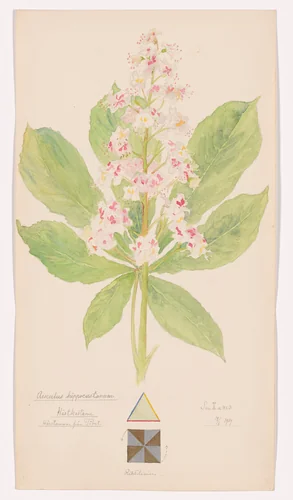
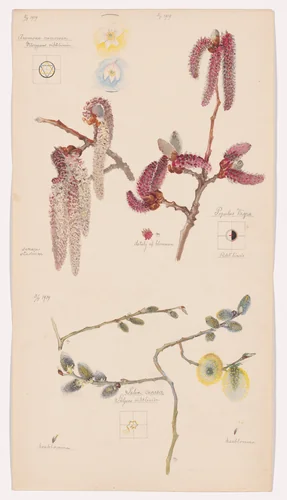
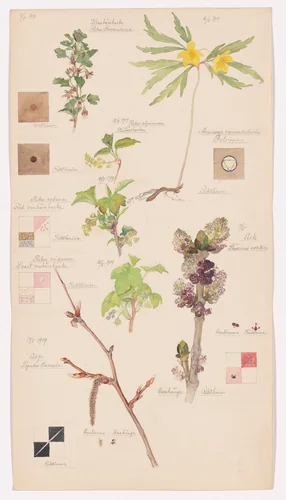
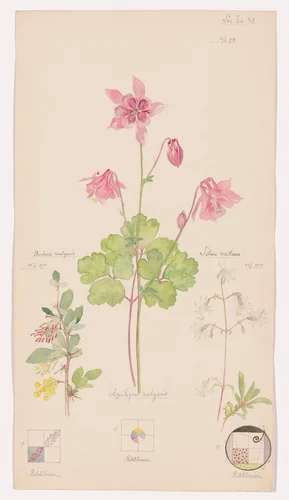
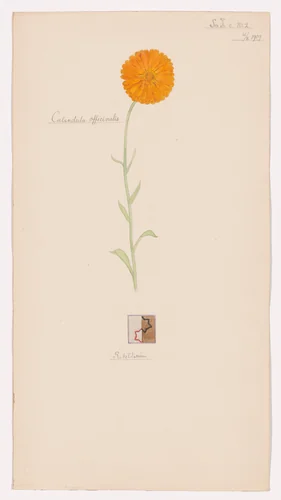
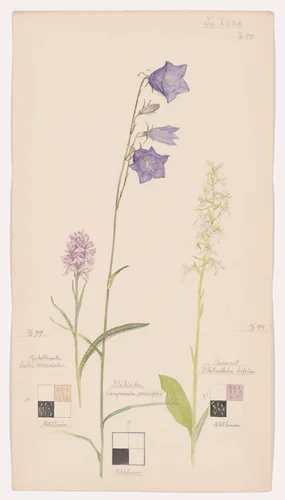
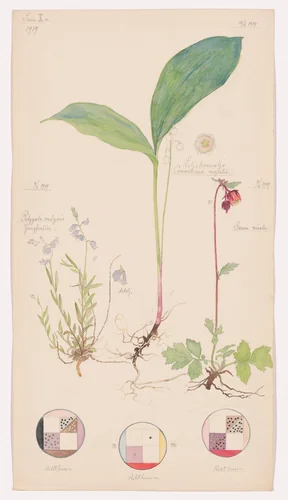
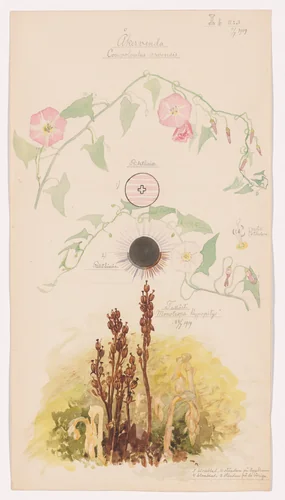
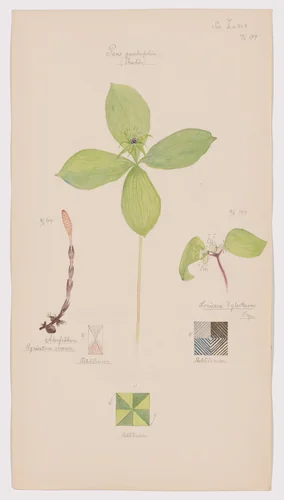
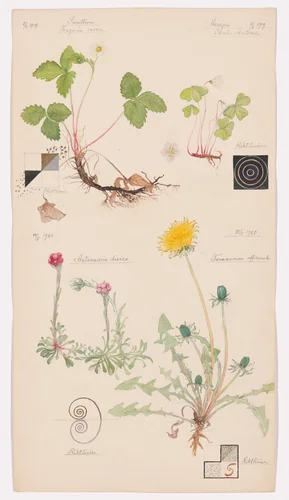
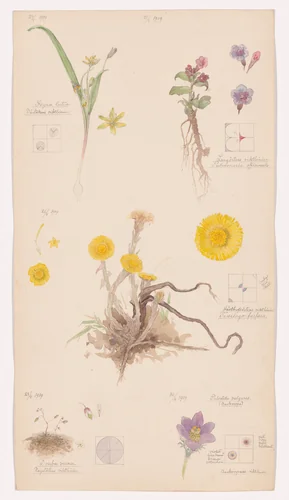
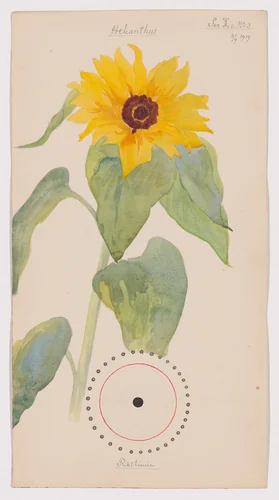
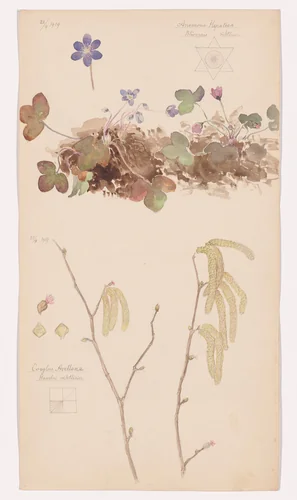
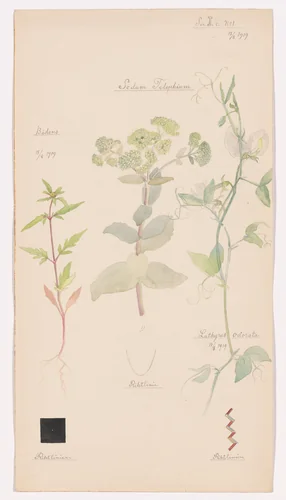
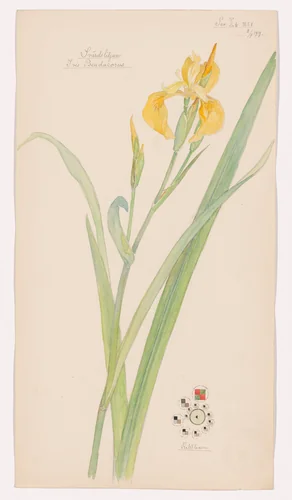
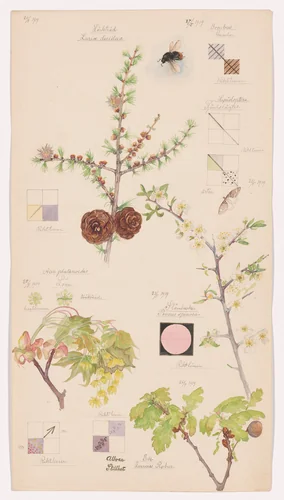
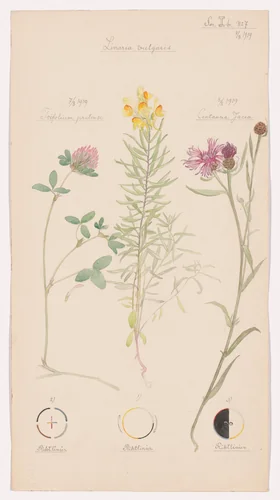
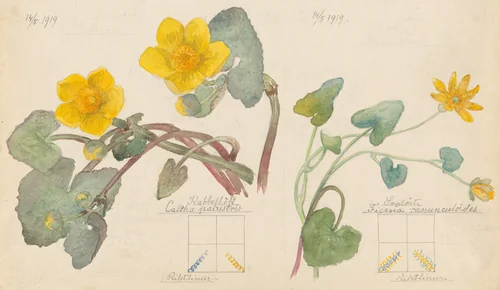
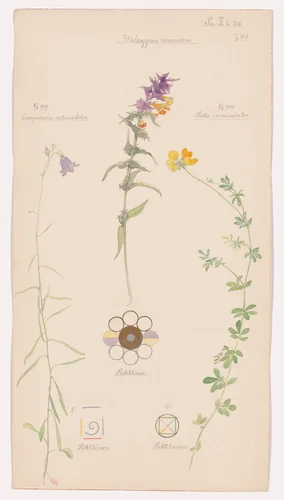
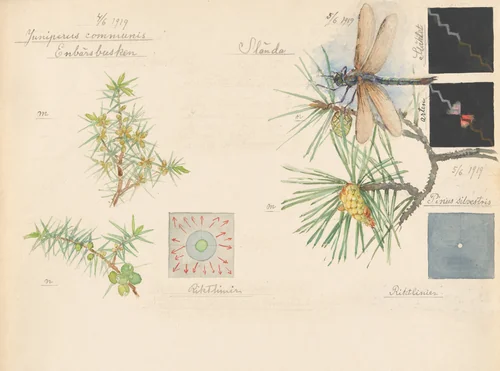
The recovery and subsequent study of this extraordinary oeuvre have reshaped narratives of early abstraction. Af Klint’s dedication extended even to highly detailed, yet spiritually charged, botanical suites, such as the 1919 Nature Studies portfolio. These drawings, now available in museum collections like the Museum of Modern Art, demonstrate the precise visual methodology she applied to subjects ranging from Calendula officinalis (Pot Marigold) to composite sheets like Anemone ranunculoides (Yellow Woodland Anemone), Ribes alpinum (Alpine Currant), Ribes uva-crispa (European Gooseberry). Today, researchers and enthusiasts can access high-quality prints of her work, often found in the public domain, confirming Hilma af Klint as a singular force whose complex vision continues to command serious contemporary attention, offering royalty-free access to some of the first truly abstract images ever created.
Source: Wikipedia · CC BY-SA 4.0