Hieronymus Wierix
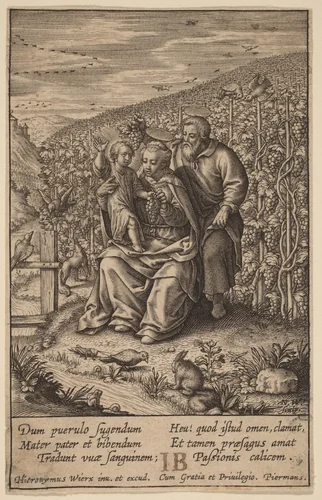
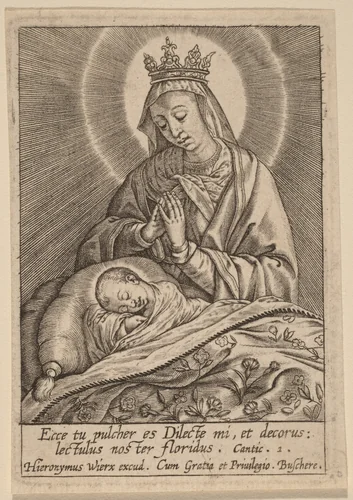
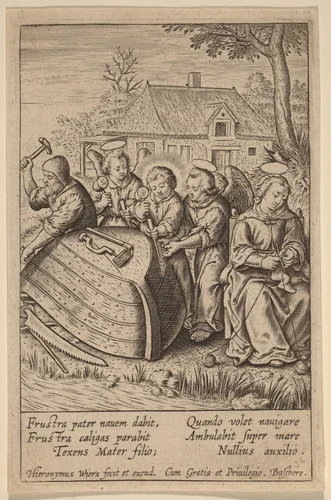
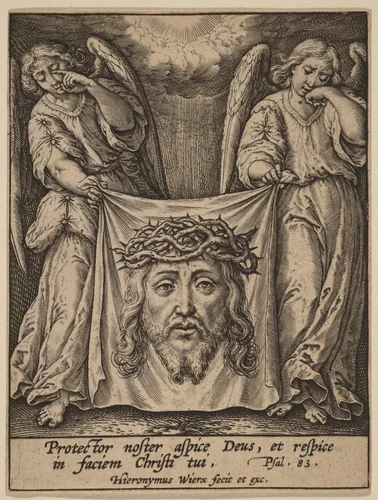
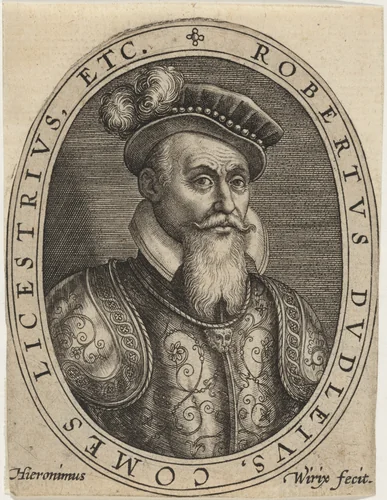
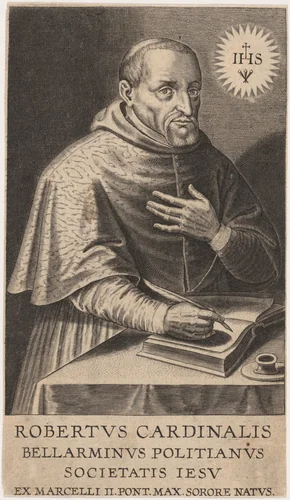
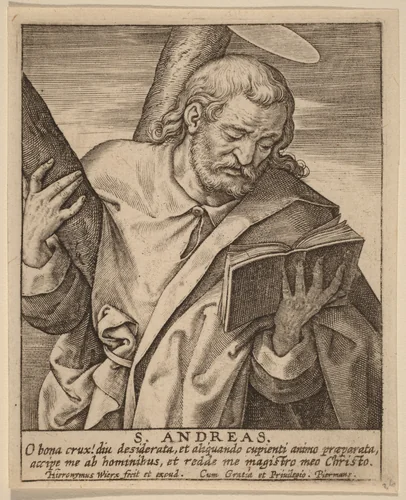
Hieronymus Wierix (1553–1619) was a defining figure in the vibrant world of late sixteenth-century Flemish printmaking. Operating from Antwerp as an engraver, draughtsman, and publisher, he belonged to a highly influential family whose meticulous output was critical for disseminating the visual culture of the Netherlands across European borders. Wierix’s prints, renowned for their exceptional detail and technical precision, helped establish the benchmark for reproductive engraving during the period.
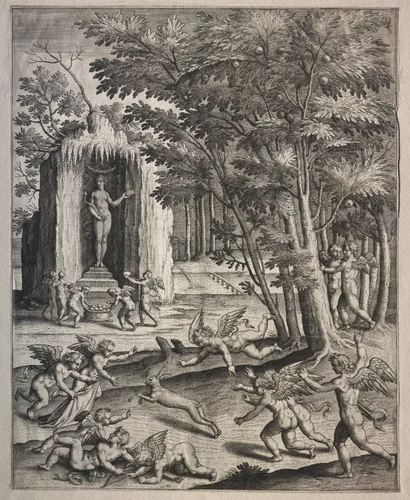
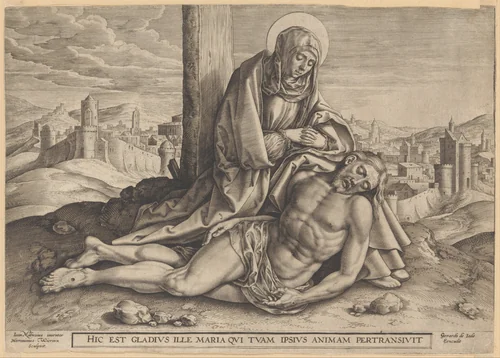
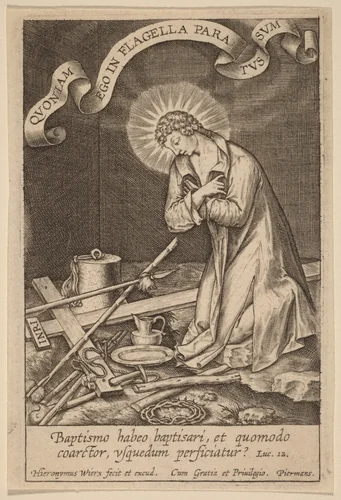
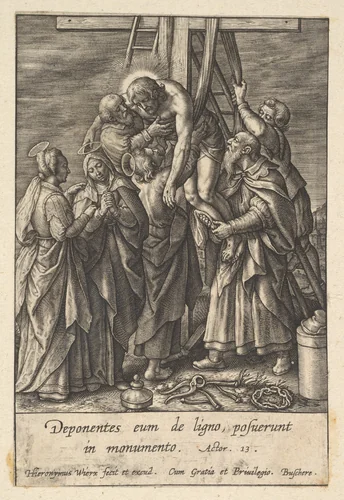
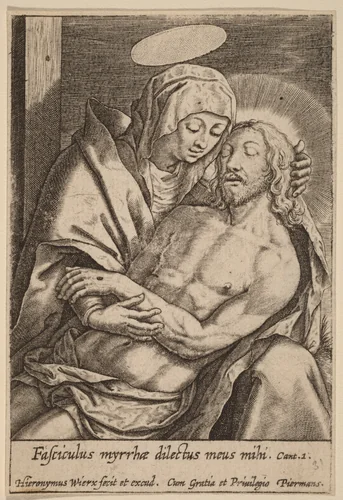
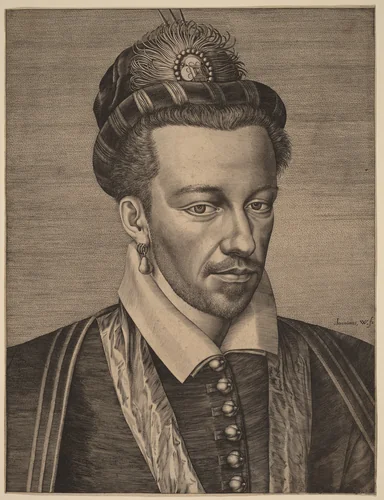
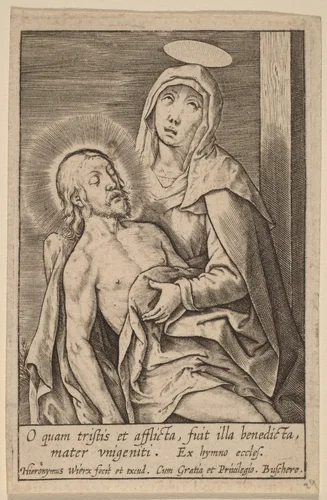
Wierix excelled at translating existing compositions into the graphic medium. He specialized particularly in reproductive work, copying celebrated local masters as well as international figures, most notably Albrecht Dürer. This skill required both exacting fidelity to the original and an understanding of how to adapt line work for mass distribution. His output reflected a vast range of subjects, spanning devotional pieces such as the poignant Pietà and complex narrative scenes like Baptismo habeo baptisari ..., alongside lighter mythological compositions like Cupids at Play.
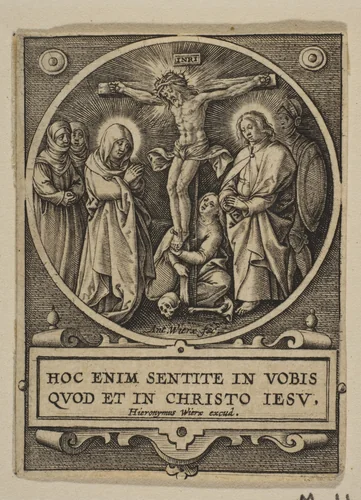
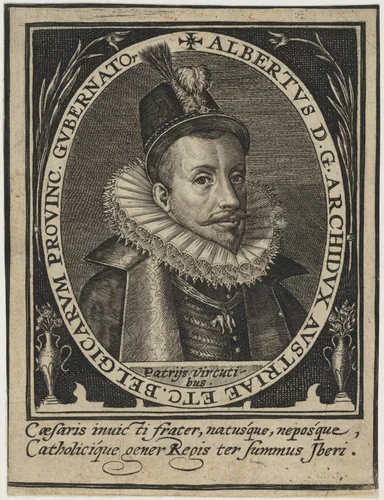
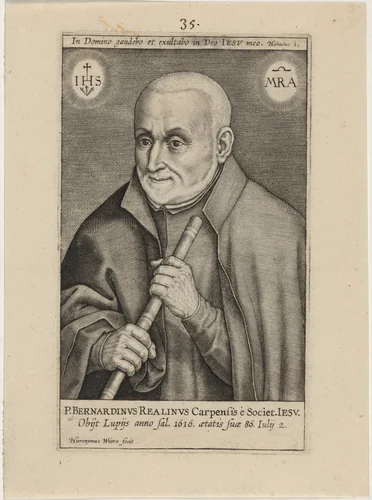
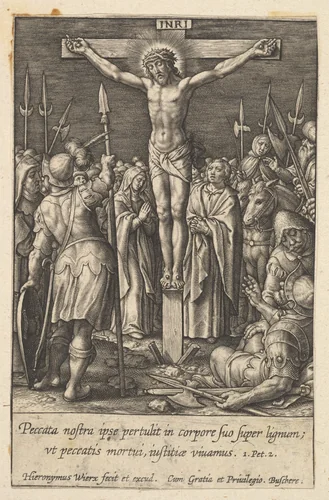
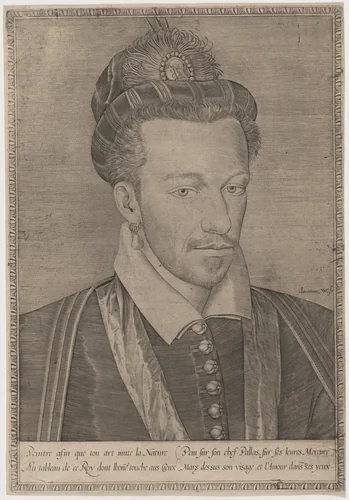
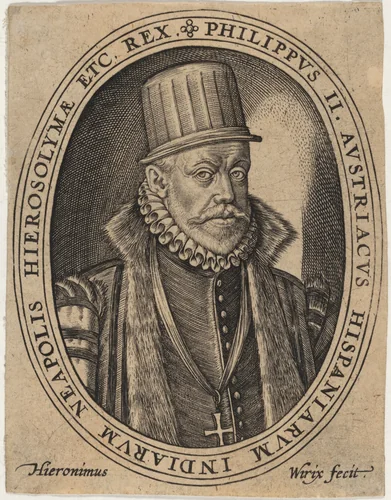
A characteristic example of his interpretive skill is visible in the technical challenge of reproducing a composition in reverse, such as The Crucifixion (Round) (reverse copy). This demonstrated the engraver’s ability to transpose existing imagery while maintaining aesthetic and technical integrity. His commitment to accuracy was equally applied to contemporary portraiture, ensuring that figures such as Albert VII, Archduke of Austria, were recorded for posterity with aristocratic gravitas.
The Wierix family operated a highly successful commercial enterprise during a period of intense religious and political upheaval in the Southern Netherlands. Hieronymus notably navigated these competing forces, producing imagery that supported sometimes the Catholic cause and sometimes the Protestant one. This flexibility in patronage suggests either remarkable pragmatism or perhaps a commitment to profit that superseded theological allegiance, a refreshing reflection of the dynamic market forces dominating Antwerp’s economy.
Through their extensive catalog, Hieronymus Wierix prints ensured that key artistic concepts and compositions became widely accessible to collectors and artists alike. Today, the enduring quality of his draftsmanship ensures the continued presence of his work in major institutions, including the Metropolitan Museum of Art and the National Gallery of Art. Many of his finest engravings have entered the public domain, offering scholars access to museum-quality images and downloadable artwork for continued study and appreciation.
Source: Wikipedia · CC BY-SA 4.0