Hieronymus Sperling
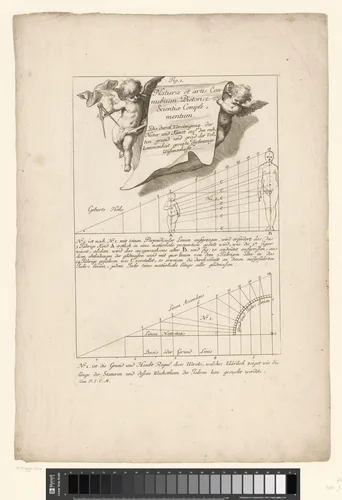
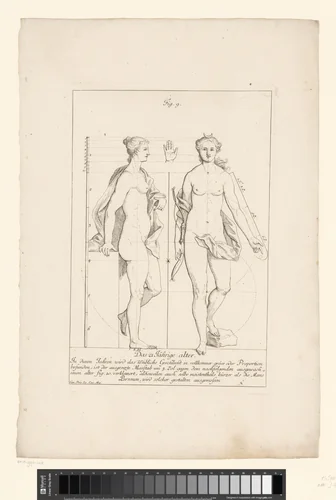
Hieronymus Sperling was a graphic artist active during the early 18th century, known solely through the existence of detailed figure studies documented in museum holdings around the year 1723. His documented output consists exclusively of seven prints, which reflect an academic concern for anatomical accuracy and proportional study.
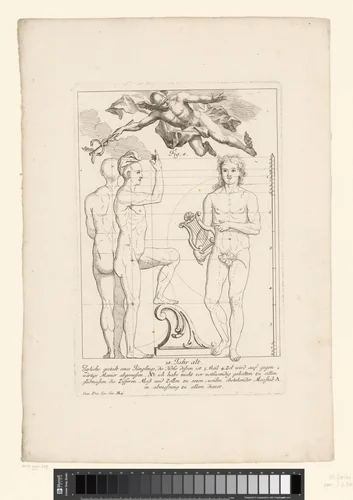
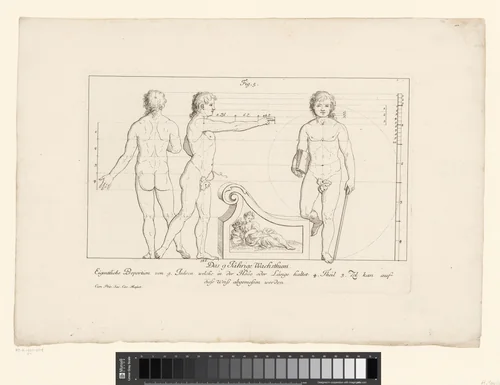
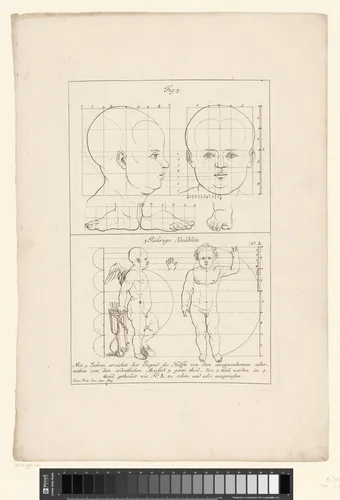
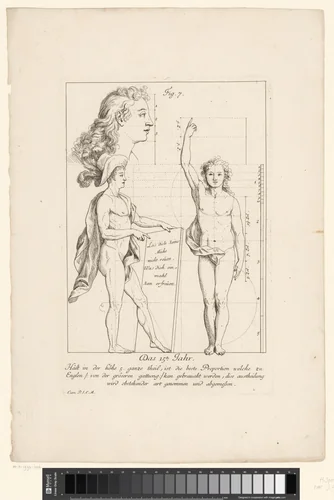
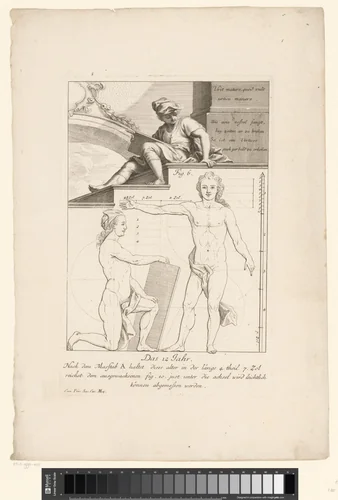
The known body of work focuses on illustrating the human form at various developmental stages, executed typically in three distinct views per subject. These prints functioned as highly specific visual reference material, suggesting their purpose was instructional for artists or draftsmanship students. Notable examples include Gezicht en twee aanzichten van het lichaam van een driejarige jongen, which meticulously details the infant form, and the more complex Drie aanzichten van een achttienjarig mannelijk lichaam en Mercurius. Another work, Jonge tekenaar en twee aanzichten van het lichaam van een twaalfjarige jongen, explicitly connects the subject matter to the practice of drawing.
These seven Hieronymus Sperling prints are preserved in museum collections, confirming the historical importance of his graphic work. The primary institution holding his technical prints is the Rijksmuseum in Amsterdam. These museum-quality illustrations represent a specific niche of 18th-century graphic arts. As these works fall into the public domain, high-quality prints and downloadable artwork derived from Sperling’s figures remain valuable resources for historical and anatomical study.