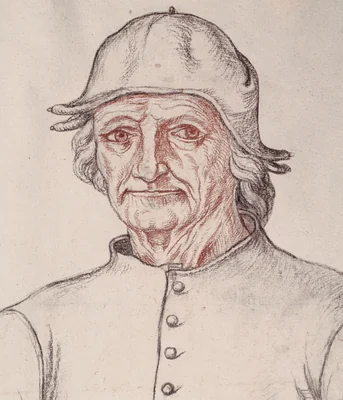
Hieronymus Bosch
Hieronymus Bosch (c. 1450-1516) stands as one of the most distinctive and influential figures of the Early Netherlandish painting school. Operating primarily in the Dutch region of Brabant, Bosch revolutionized the depiction of religious concepts by fusing traditional moralizing narratives with a deeply imaginative and often terrifying iconography. His surviving oeuvre, typically executed in oil on oak wood, remains remarkably small yet profoundly impactful, consisting of only four confirmed paintings, alongside a handful of confirmed prints and drawings. His powerful visual language immediately secured his place among the most innovative minds of the Northern Renaissance.
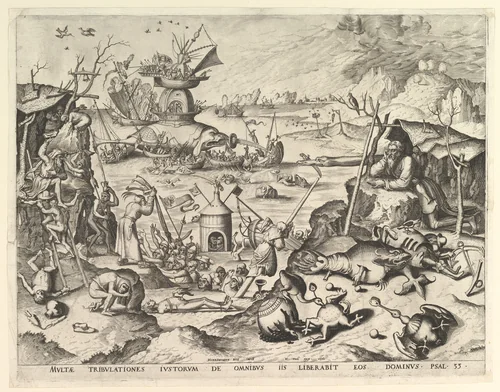
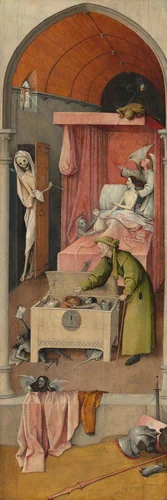
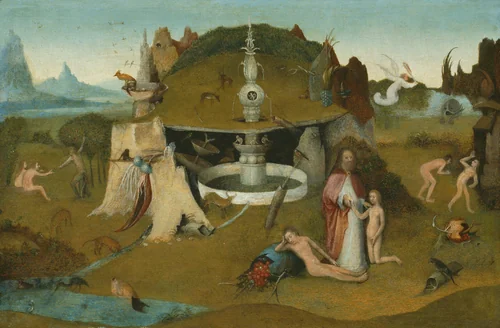
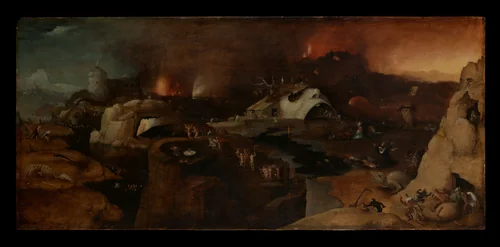
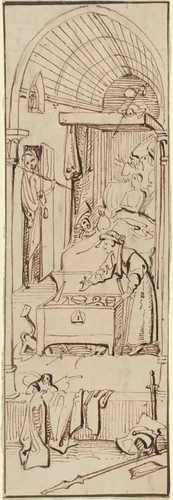
Bosch specialized in illustrating the perils of sin and the mechanics of divine judgment, often achieving a level of surreal detail centuries before its time. His work moves away from serene devotion and focuses instead on fantastic illustrations of religious concepts. Works such as the cautionary narrative of Death and the Miser or the fragmented, dense imagery of The Temptation of St. Anthony demonstrate his mastery of complex composition and his willingness to invent new monstrous vocabularies. Unlike his contemporaries, who favored realism, Bosch populated his canvases with hybrid creatures, architectural oddities, and meticulous, often grotesque, depictions of hell.
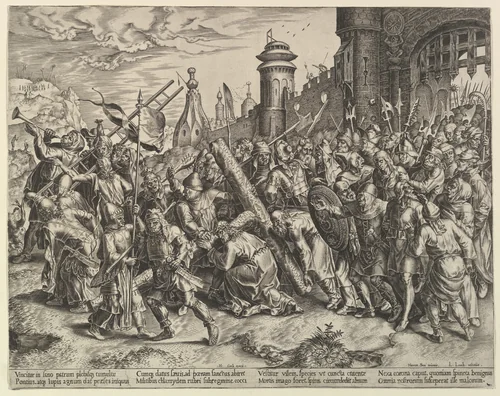
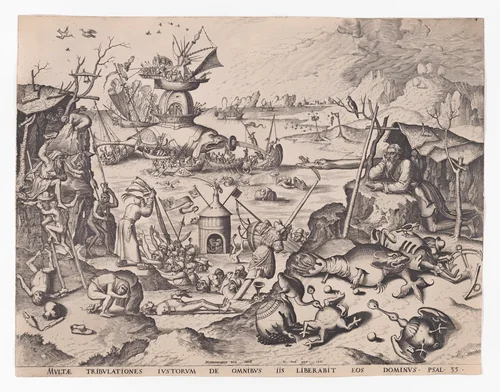
The artist’s reputation traveled far beyond Brabant during his active career. Royal and aristocratic collectors in Spain, Austria, and the Netherlands avidly sought out Hieronymus Bosch paintings, securing his legacy immediately upon his death. The true measure of his contemporary success, however, might be the sheer volume of painted and printed copies produced by imitators eager to capitalize on the popularity of his macabre imagery. His nightmarish visions became a cultural commodity.
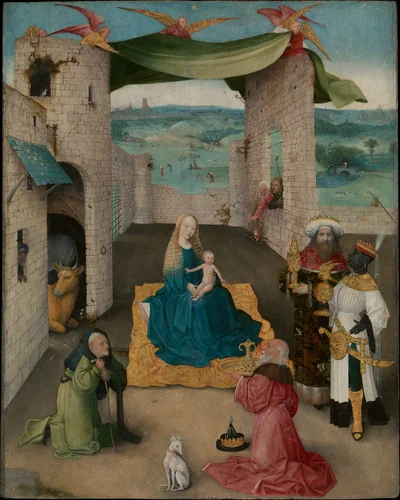
Major institutions, including the Metropolitan Museum of Art and the National Gallery of Art, preserve his rare originals today. While documentation regarding his personal life remains limited, the intensity of his influence is best accessed through the artwork itself. Fortunately, many of these seminal works, including The Adoration of the Magi and Christ's Descent into Hell, are now in the public domain, allowing enthusiasts access to high-quality prints and royalty-free downloadable artwork for close study and appreciation, keeping the chilling, imaginative quality of his vision vital almost six centuries later.
Source: Wikipedia · CC BY-SA 4.0